Introduction
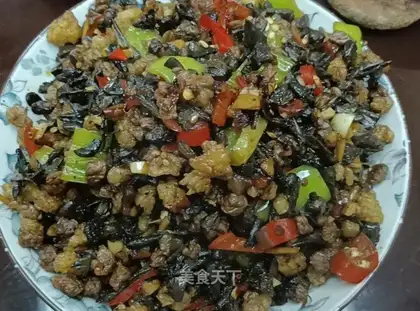
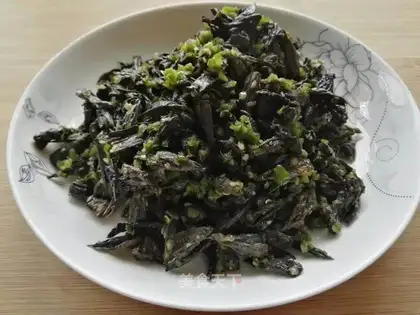
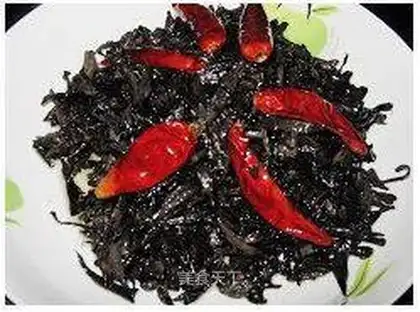
Nestled in the mist-shrouded mountains of Yunnan Province, southwest China, lies a culinary gem prized by gourmands and health enthusiasts alike: ganbajun (干巴菌), literally "drying beef mushroom." This wild fungus, scientifically classified as Termitomy spp., derives its name from its unique appearance—resembling dried, shredded beef—and its rich, umami-packed flavor. For centuries, ganbajun has been a staple in Yunnanese cuisine, often described as "the king of wild mushrooms" for its rarity, complexity, and nutritional potency. As global interest in sustainable, nutrient-dense foods grows, ganbajun has transcended regional borders, captivating international palates. This article explores the nutritional profile, health benefits, and critical precautions associated with this extraordinary ingredient, shedding light on why it is both a culinary delight and a functional food.
Nutritional Value: A Powerhouse of Bioactive Compounds
Ganbajun’s nutritional value lies in its dense concentration of proteins, dietary fiber, vitamins, minerals, and unique bioactive compounds, making it a standout among edible mushrooms.
1. High-Quality Protein
Mushrooms are renowned for their protein content, and ganbajun is no exception. It contains all essential amino acids, including lysine, leucine, and phenylalanine, which are vital for muscle synthesis, immune function, and hormone production. With a protein content of 20–25% (dry weight), it rivals animal-based sources like meat and fish, making it an excellent alternative for vegetarians and vegans.
2. Dietary Fiber and Polysaccharides
Ganbajun is rich in dietary fiber (30–40% dry weight), including beta-glucans—a type of soluble fiber known for its prebiotic properties. Beta-glucans promote gut health by nourishing beneficial gut bacteria, enhancing digestion, and reducing constipation. Additionally, ganbajun contains polysaccharides such as termitomyces polysaccharides, which have been studied for their immunomodulatory effects. These compounds stimulate macrophage activity and enhance the production of cytokines, bolstering the body’s defense against infections.
3. Vitamins and Minerals
The mushroom is a potent source of B vitamins, including niacin (B3), riboflavin (B2), and pantothenic acid (B5), which play key roles in energy metabolism, nervous system function, and skin health. It is also rich in essential minerals:
- Potassium: Regulates blood pressure and fluid balance.
- Selenium: A powerful antioxidant that protects cells from oxidative damage.
- Iron: Critical for oxygen transport and red blood cell formation.
- Zinc: Supports immune function and wound healing.
- Copper: Aids in iron absorption and collagen synthesis.
Notably, ganbajun contains higher levels of selenium and zinc than common mushrooms like shiitake or oyster mushrooms, making it a superior choice for meeting trace mineral requirements.
4. Bioactive Compounds: Umami and Antioxidants
The distinctive umami flavor of ganbajun is attributed to its high content of free amino acids, particularly glutamic acid. This savory taste enhances the palatability of dishes while reducing the need for excessive salt, supporting heart health.
Additionally, ganbajun is packed with antioxidants, including phenolic compounds, flavonoids, and ergothioneine. These compounds neutralize free radicals, reducing oxidative stress—a key factor in aging, chronic diseases, and inflammation. Studies have shown that ganbajun’s antioxidant capacity is significantly higher than that of cultivated mushrooms, partly due to its adaptation to harsh mountain environments.
Health Benefits: Beyond Culinary Delight
The nutritional profile of ganbajun translates into a range of health benefits, supported by both traditional use and modern scientific research.
1. Immune System Enhancement
The beta-glucans and termitomyces polysaccharides in ganbajun are potent immunomodulators. They activate dendritic cells and T-cells, enhancing the body’s ability to recognize and eliminate pathogens. Research indicates that regular consumption may reduce the frequency of infections and improve vaccine efficacy. For example, a 2020 study published in the Journal of Ethnopharmacology found that ganbajun polysaccharides increased antibody production in mice, suggesting potential benefits for immune support in humans.
2. Anticancer Properties
Preliminary studies highlight ganbajun’s potential in cancer prevention and adjunct therapy. Its polysaccharides inhibit tumor growth by suppressing angiogenesis (the formation of new blood vessels that feed tumors) and inducing apoptosis (programmed cell death) in cancer cells. A 2018 study in Phytotherapy Research demonstrated that ganbajun extract reduced the size of liver tumors in mice by 40%, likely due to its high antioxidant and anti-inflammatory activity. While human trials are needed, these findings underscore ganbajun’s promise as a functional food for cancer risk reduction.
3. Anti-Inflammatory and Antioxidant Effects
Chronic inflammation is linked to conditions like arthritis, diabetes, and cardiovascular disease. Ganbajun’s phenolic compounds and ergothioneine inhibit pro-inflammatory enzymes (e.g., COX-2) and cytokines (e.g., TNF-α), reducing inflammation throughout the body. Its high selenium content further amplifies these effects, as selenium is a cofactor for antioxidant enzymes like glutathione peroxidase. By combating oxidative stress, ganbajun may lower the risk of chronic diseases and slow cellular aging.
4. Cardiovascular Health Support
Ganbajun contributes to heart health in multiple ways. Its fiber content lowers LDL ("bad") cholesterol by binding to bile acids in the intestines, promoting their excretion. Potassium helps regulate blood pressure by counteracting the effects of sodium. Additionally, its antioxidants prevent the oxidation of LDL cholesterol, a key step in the development of atherosclerosis. A 2021 study in Food & Function linked ganbajun consumption to improved lipid profiles and reduced arterial stiffness in animal models.
5. Weight Management and Digestive Health
As low-calorie, high-fiber food, ganbajun aids weight management by promoting satiety and reducing overall calorie intake. Its prebiotic fibers (e.g., inulin) feed beneficial gut bacteria like Bifidobacterium and Lactobacillus, which enhance gut barrier function, reduce inflammation, and alleviate symptoms of irritable bowel syndrome (IBS). A healthy gut microbiome is also linked to improved metabolism and mood, making ganbajun a valuable addition to a balanced diet.
Precautions and Potential Side Effects
While ganbajun offers numerous health benefits, proper handling and consumption are crucial to avoid adverse effects.
1. Wild Harvesting and Contamination Risk
Ganbajun is a wild mushroom, often foraged from forests inhabited by termites (its natural symbiotic partner). Improper foraging may lead to contamination with toxic look-alikes, such as Gyromitra or Cortinarius species, which can cause severe poisoning or organ failure. To mitigate this risk, consumers should purchase ganbajun from reputable suppliers or certified foragers. In Yunnan, local communities have traditionally passed down knowledge of safe harvesting, emphasizing identification by cap shape, color (tan to brown with a velvety texture), and growth habitat (near termite mounds).
2. Heavy Metal Accumulation
Wild mushrooms can accumulate heavy metals (e.g., lead, cadmium, arsenic) from soil, especially in areas with industrial pollution or contaminated water. Ganbajun, being a long-lived fungus, is particularly susceptible. Prolonged consumption of contaminated mushrooms may lead to heavy metal toxicity, causing symptoms like nausea, kidney damage, or neurological issues. Consumers should opt for ganbajun sourced from pristine, remote regions and limit intake to 2–3 times per week.
3. Allergic Reactions
Although rare, some individuals may experience allergic reactions to ganbajun, particularly those with mushroom allergies or sensitive immune systems. Symptoms can range from mild (itching, hives) to severe (anaphylaxis). First-time consumers should start with a small portion (e.g., 10–20g) and monitor for adverse reactions. Those with a history of mushroom allergies should avoid ganbajun entirely.
4. Cooking Requirements
Raw or undercooked ganbajun may contain natural toxins or indigestible compounds, leading to gastrointestinal distress (e.g., diarrhea, abdominal pain). The mushroom must be thoroughly cooked—typically stir-fried, stewed, or dried—to break down these compounds and enhance nutrient bioavailability. Traditional Yunnanese recipes often involve stir-frying with garlic, chili, and pork to amplify its flavor and safety.
5. Drug Interactions
Ganbajun’s polysaccharides may interact with certain medications, particularly immunosuppressants (e.g., cyclosporine) and blood thinners (e.g., warfarin). Its immunomodulatory effects could potentially interfere with the efficacy of immunosuppressants, while its vitamin K content may counteract blood thinners. Individuals taking these medications should consult a healthcare provider before incorporating ganbajun into their diet.
Conclusion
Drying beef mushroom (ganbajun) is more than a culinary delicacy—it is a nutritional powerhouse with profound health benefits. From its immune-boosting polysaccharides and heart-healthy fiber to its antioxidant-rich profile, this wild fungus embodies the synergy of flavor and function. However, its rarity and wild nature demand respect: proper sourcing, thorough cooking, and awareness of potential risks are essential to safely enjoy its virtues. As global interest in sustainable and nutrient-dense foods grows, ganbajun stands as a testament to the wisdom of traditional foraging and the untapped potential of wild ingredients. Whether savored in a simple stir-fry or studied for its medicinal properties, ganbajun continues to captivate and nourish, bridging the gap between nature and nutrition.
In a world where processed foods dominate, ganbajun reminds us of the power of whole, unadulterated ingredients—proof that the most extraordinary treasures often come from the earth’s most remote corners.