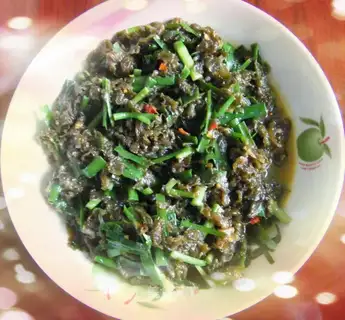
Lichen, a unique symbiotic organism formed by the fusion of a fungus and an alga or cyanobacterium, has been a hidden gem in traditional diets across cultures for centuries. Often overlooked in modern nutrition, this resilient organism thrives in some of the Earth’s most extreme environments—from Arctic tundra to rocky mountain cliffs—and offers a surprising array of health benefits. While it may resemble moss or a crusty plant, lichen is a nutritional powerhouse packed with bioactive compounds, antioxidants, and essential nutrients. However, its consumption is not without risks, as improper harvesting or preparation can lead to toxicity. This article explores the nutritional profile of edible lichen, its potential health benefits, and critical precautions to ensure safe consumption.
I. Nutritional Profile of Edible Lichen
Edible lichen, such as Umbilicaria esculenta (rock tripe), Cetraria islandica (Iceland moss), and Bryoria fremontii (black tree lichen), boasts a distinctive nutritional composition that sets it apart from conventional vegetables and fungi. While its exact nutrient content varies by species and growing conditions, it is consistently rich in protein, fiber, antioxidants, and unique bioactive compounds.
1. High in Protein and Essential Amino Acids
Lichen is an exceptional source of plant-based protein, containing up to 18% dry weight in some species. Unlike most plant proteins, it is a complete protein, providing all nine essential amino acids (lysine, methionine, valine, etc.) that the human body cannot synthesize. For example, Bryoria fremontii, traditionally consumed by Indigenous peoples in North America, contains amino acid profiles comparable to soybean protein, making it a valuable resource for vegetarian and vegan diets.
2. Rich in Dietary Fiber and Polysaccharides
Edible lichen is loaded with dietary fiber, primarily in the form of polysaccharides like lichenin and isolichenin. These complex carbohydrates act as prebiotics, nourishing beneficial gut bacteria and promoting digestive health. Iceland moss (Cetraria islandica), for instance, contains high levels of mucilage, a soluble fiber that soothes the digestive tract, alleviates symptoms of gastritis, and regulates bowel movements.
3. Packed with Antioxidants and Phenolic Compounds
Lichen’s ability to survive in harsh environments—exposed to UV radiation, extreme temperatures, and drought—has endowed it with potent antioxidant properties. It is rich in phenolic compounds, such as usnic acid, atranorin, and protolichesterinic acid, which neutralize harmful free radicals and reduce oxidative stress. Studies show that usnic acid, found in many edible lichens, exhibits strong antimicrobial and anti-inflammatory effects, making it a valuable component in traditional and modern medicine.
4. Essential Vitamins and Minerals
Edible lichen is a natural source of vitamins and minerals, including vitamin D, vitamin B complex (especially B12), iron, calcium, and magnesium. While vitamin B12 is typically scarce in plant-based foods, certain lichens that harbor cyanobacteria (e.g., Lobaria species) can synthesize this essential nutrient, making them a rare vegan source of B12. Additionally, lichen-derived vitamin D is bioavailable, supporting bone health and immune function. Iron and calcium content, particularly in Umbilicaria esculenta, further enhances its role in preventing anemia and osteoporosis.
5. Unique Bioactive Compounds
Beyond basic nutrients, lichen contains specialized compounds with therapeutic potential. Usnic acid, for example, has been studied for its antiviral, antifungal, and even anticancer properties. Protolichesterinic acid, found in Cladonia species, exhibits anti-inflammatory effects, while lichen polysaccharides have shown immunomodulatory activity, enhancing the body’s defense against infections.
II. Health Benefits of Edible Lichen
The nutritional diversity of edible lichen translates into a range of health benefits, supported by both traditional use and modern scientific research. From boosting immunity to supporting metabolic health, this humble organism offers a natural solution to various health concerns.
1. Enhances Immune Function
Lichen’s polysaccharides and phenolic compounds act as immunomodulators, stimulating the activity of macrophages, T-cells, and natural killer (NK) cells. A 2018 study published in the Journal of Ethnopharmacology found that lichen extracts significantly increased cytokine production (e.g., IL-2 and IFN-γ), enhancing the body’s ability to fight viral and bacterial infections. Additionally, its high vitamin D content further strengthens immune responses, as vitamin D is crucial for regulating immune cell activity.
2. Supports Digestive Health
The prebiotic fiber in lichen promotes a healthy gut microbiome by feeding beneficial bacteria like Lactobacillus and Bifidobacterium. This, in turn, improves digestion, reduces bloating, and alleviates symptoms of irritable bowel syndrome (IBS). Iceland moss, in particular, is traditionally used to treat coughs, colds, and digestive discomfort due to its mucilage content, which forms a protective layer over inflamed mucous membranes.
3. Antimicrobial and Anti-inflammatory Properties
Usnic acid, a hallmark lichen compound, exhibits broad-spectrum antimicrobial activity against bacteria (e.g., Staphylococcus aureus) and fungi (e.g., Candida albicans). This makes lichen a natural alternative to synthetic antibiotics, particularly in treating topical infections. Its anti-inflammatory effects, attributed to protolichesterinic acid and phenolic compounds, help reduce chronic inflammation, a key driver of diseases like arthritis, diabetes, and cardiovascular disorders.
4. Anticancer Potential
Emerging research suggests that lichen extracts may inhibit the growth of cancer cells. A 2020 study in Phytotherapy Research found that usnic acid induced apoptosis (programmed cell death) in human colon cancer cells by activating pro-apoptotic proteins and suppressing tumor-promoting pathways. While human trials are needed, these findings highlight lichen’s potential as a complementary therapy in cancer prevention.
5. Antidiabetic Effects
Lichen polysaccharides have been shown to regulate blood sugar levels by inhibiting alpha-glucosidase, an enzyme that breaks down carbohydrates into glucose. This slows glucose absorption, preventing postprandial blood sugar spikes—a key benefit for managing type 2 diabetes. Additionally, its high fiber content improves insulin sensitivity, further supporting metabolic health.
6. Detoxification and Liver Protection
Lichen’s antioxidant compounds, such as usnic acid and flavonoids, protect the liver from oxidative damage caused by toxins like alcohol and environmental pollutants. Animal studies indicate that lichen extracts reduce liver enzyme levels (e.g., ALT and AST) and decrease lipid peroxidation, markers of liver injury. This makes lichen a promising natural hepatoprotective agent.
III. Precautions and Risks of Consuming Edible Lichen
While edible lichen offers impressive health benefits, it is not a “superfood” for everyone. Its consumption requires caution due to potential toxicity, environmental contaminants, and individual health considerations.
1. Risk of Toxicity from Improper Identification
Not all lichens are edible. Some species, such as Letharia vulpina (wolf lichen) and Parmelia sulcata, contain toxic compounds like vulpinic acid or high levels of heavy metals that can cause nausea, vomiting, or organ damage. Crucially, only lichens identified by experts should be consumed, as misidentification can lead to poisoning. For example, Lobaria species, while edible in some regions, contain toxic secondary metabolites if harvested from polluted areas.
2. Environmental Contamination
Lichens are bioaccumulators, meaning they absorb pollutants from their environment, including heavy metals (lead, cadmium, arsenic) and radioactive isotopes. Lichens growing near industrial areas, roads, or mining sites may contain unsafe levels of these toxins, posing long-term health risks. To minimize this risk, harvest lichen from pristine, remote locations (e.g., unpolluted forests, mountains) and avoid urban or industrial zones.
3. High Fiber Content and Digestive Discomfort
While fiber is beneficial, excessive consumption of lichen can cause bloating, gas, or diarrhea, especially for individuals with sensitive digestive systems. It is advisable to start with small amounts (1–2 teaspoons) and gradually increase intake to allow the gut to adapt. Cooking lichen, such as boiling Iceland moss to remove bitterness, can also reduce digestive discomfort.
4. Contraindications for Certain Groups
Pregnant and breastfeeding women should avoid lichen due to insufficient safety data. Individuals on blood-thinning medications (e.g., warfarin) should exercise caution, as lichen’s vitamin K content may interfere with drug efficacy. Additionally, those with autoimmune disorders (e.g., lupus, rheumatoid arthritis) should consult a healthcare provider, as lichen’s immunomodulatory effects could potentially exacerbate symptoms.
5. Sustainable Harvesting Practices
Overharvesting wild lichen threatens its survival and disrupts ecosystems. Lichens grow slowly (some species grow just 1–5 mm per year), and excessive collection can deplete populations, impacting wildlife that depends on them for food and shelter. Foragers should practice sustainable harvesting by taking only small portions and leaving the base of the lichen intact to allow regrowth. Alternatively, cultivated lichen products (e.g., powders, extracts) from reputable sources are a safer, more eco-friendly option.
IV. Conclusion
Edible lichen is a nutritional and medicinal treasure, offering a rare combination of complete protein, prebiotic fiber, antioxidants, and bioactive compounds. From boosting immunity to supporting digestive and metabolic health, its potential benefits are vast. However, its consumption is not without risks—improper identification, environmental contamination, and unsustainable harvesting can turn this natural wonder into a health hazard.
To safely enjoy lichen’s benefits, one must prioritize expert identification, source from uncontaminated environments, and practice moderation. As interest in wild, nutrient-dense foods grows, lichen deserves recognition not just as a traditional food but as a sustainable solution for modern health challenges—provided it is respected, harvested responsibly, and consumed with knowledge. In a world where “superfoods” are often overhyped, lichen reminds us that nature’s most potent remedies are often found in the most unexpected places.