Introduction
In the world of functional foods and medicinal mushrooms, few hold as revered a place as Grifola frondosa, commonly known as maitake, or "dancing mushroom" in Japanese. Named for its graceful, rippling appearance that resembles dancing butterflies, maitake has been celebrated for centuries in traditional Eastern medicine as a symbol of longevity and vitality. Today, modern science is unraveling the secrets behind this culinary treasure, confirming its status as a nutritional powerhouse with remarkable health benefits. From immune modulation to metabolic support, maitake offers a unique blend of flavor and function. However, as with any potent natural remedy, understanding its proper usage—and potential precautions—is essential. This article explores the nutritional profile, health benefits, and safety considerations of maitake, providing a comprehensive guide for incorporating this extraordinary mushroom into a balanced diet.
Nutritional Profile of Maitake
Maitake’s nutritional value is as diverse as its culinary applications. This polypore mushroom, native to the temperate forests of Asia, North America, and Europe, is rich in macronutrients, fiber, vitamins, minerals, and bioactive compounds that contribute to its health-promoting properties.
Macronutrients and Fiber
Maitake is low in calories but packed with high-quality protein and complex carbohydrates, making it an ideal addition to plant-based and weight-conscious diets. A 100-gram serving of fresh maitake contains approximately 2.2 grams of protein, 4.3 grams of carbohydrates, and just 31 calories. Its high fiber content—around 2.5 grams per 100 grams—supports digestive health by promoting regularity and feeding beneficial gut bacteria.
Vitamins and Minerals
Maitake is a potent source of essential vitamins and minerals. It is particularly rich in B vitamins, including niacin (B3), riboflavin (B2), and pantothenic acid (B5), which play critical roles in energy metabolism, nervous system function, and skin health. Notably, maitake is one of the few plant-based sources of vitamin D2, especially when exposed to sunlight or UV light, which is vital for bone health, immune function, and mood regulation.
The mushroom also provides an array of minerals, such as potassium (which helps regulate blood pressure), zinc (essential for immune cell development), selenium (a powerful antioxidant), and copper (important for iron absorption and cardiovascular health).
Bioactive Compounds: Beta-Glucans and Beyond
What truly sets maitake apart is its concentration of bioactive compounds, particularly beta-glucans—complex polysaccharides renowned for their immune-modulating effects. Maitake contains a unique type of beta-glucan called grifolan, which has been extensively studied for its ability to enhance immune activity. Additionally, it contains ergosterol (a precursor to vitamin D), triterpenes (compounds with anti-inflammatory and antioxidant properties), and antioxidants like polyphenols and flavonoids, which combat oxidative stress and reduce cellular damage.
Health Benefits of Maitake
The combination of maitake’s nutritional and bioactive components translates into a wide range of health benefits, supported by both traditional use and contemporary research.
1. Immune System Support
Maitake’s most well-documented benefit is its ability to modulate the immune system. The beta-glucans in maitake activate immune cells such as macrophages, natural killer (NK) cells, and T-cells, which are critical for defending against pathogens and abnormal cells. Studies suggest that maitake extract can enhance NK cell activity by up to 64%, making it a valuable ally in preventing infections and supporting cancer therapy. Unlike immune stimulators that overactivate the system, maitake acts as an immunomodulator, balancing immune responses to avoid excessive inflammation.
2. Blood Sugar Regulation
For individuals with diabetes or prediabetes, maitake may offer significant metabolic benefits. Research indicates that maitake’s polysaccharides improve insulin sensitivity by enhancing glucose uptake in cells and inhibiting enzymes that break down carbohydrates. A 2013 study published in the Journal of Ethnopharmacology found that diabetic rats fed maitake extract experienced a significant reduction in blood sugar levels and improved lipid profiles. Human trials have similarly reported lower post-meal blood glucose spikes in participants consuming maitake powder, making it a promising dietary adjunct for diabetes management.
3. Cardiovascular Health
Maitake supports heart health through multiple mechanisms. Its fiber content helps lower LDL ("bad") cholesterol by binding to bile acids in the digestive system, promoting their excretion. Additionally, maitake contains triterpenes like erinacine and grifolin, which inhibit cholesterol synthesis in the liver. The mushroom’s potassium content further aids blood pressure regulation by counteracting the effects of sodium. A 2020 study in Phytotherapy Research found that maitake supplementation reduced triglyceride levels and improved arterial elasticity in adults with metabolic syndrome, highlighting its role in preventing cardiovascular disease.
4. Weight Management
Maitake’s low calorie, high fiber, and protein-rich composition makes it a valuable tool for weight control. Fiber promotes satiety, reducing overall calorie intake, while protein helps preserve muscle mass during weight loss. Furthermore, maitake may influence fat metabolism by activating AMP-activated protein kinase (AMPK), an enzyme that stimulates fat burning and inhibits fat storage. Animal studies have shown that maitake extract reduces body weight and fat accumulation in obese mice, suggesting potential applications for human weight management.
5. Anticancer Properties
Preliminary research indicates that maitake may complement conventional cancer treatments. Beta-glucans in maitake have been shown to inhibit tumor growth by enhancing immune surveillance and inducing apoptosis (programmed cell death) in cancer cells. In a 2017 study published in Oncology Reports, maitake extract reduced the proliferation of breast cancer cells and sensitized them to chemotherapy drugs. While more human trials are needed, these findings underscore maitake’s potential as an adjunctive therapy in oncology.
6. Antioxidant and Anti-Inflammatory Effects
Chronic inflammation and oxidative stress are underlying factors in many chronic diseases, including arthritis, neurodegenerative disorders, and cancer. Maitake’s high concentration of antioxidants, such as polyphenols and ergothioneine, neutralizes free radicals, reducing oxidative damage. Its anti-inflammatory compounds, including terpenes and polysaccharides, suppress pro-inflammatory cytokines like TNF-alpha and IL-6, alleviating symptoms of conditions like rheumatoid arthritis and inflammatory bowel disease.
Culinary Uses and Preparation
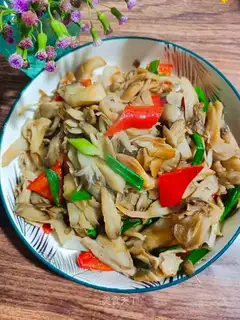
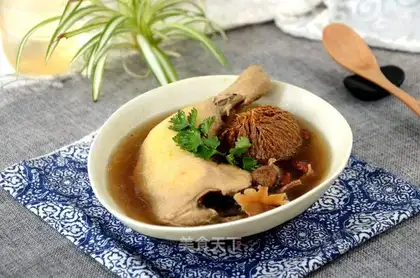
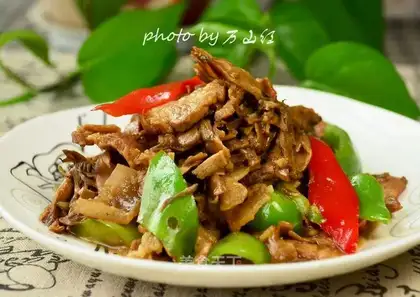
Beyond its health benefits, maitake is prized for its culinary versatility. With a rich, earthy flavor and a tender, meaty texture, it complements a variety of dishes. Fresh maitake can be sautéed, grilled, roasted, or added to soups and stews. Dried maitake, rehydrated to restore its texture, is often used in teas, powders, or extracts.
When selecting fresh maitake, look for firm, vibrant caps with no signs of decay. To prepare, simply tear the mushroom into bite-sized pieces (avoid washing until use to prevent waterlogging) and cook briefly to retain its nutritional value. For those seeking concentrated benefits, maitake supplements in capsule, tincture, or powder form are widely available, though whole mushrooms offer the advantage of dietary fiber and synergistic nutrients.
Precautions and Potential Side Effects
While maitake is generally safe for most people, certain precautions should be observed to avoid adverse effects.
1. Blood Sugar and Blood Pressure Medications
Maitake’s ability to lower blood sugar and blood pressure may enhance the effects of medications such as insulin, sulfonylureas, or antihypertensives. Individuals taking these drugs should monitor their levels closely and consult a healthcare provider before adding maitake to their regimen to prevent hypoglycemia or hypotension.
2. Autoimmune Disorders
Due to its immune-stimulating properties, maitake may exacerbate symptoms of autoimmune conditions like lupus, rheumatoid arthritis, or multiple sclerosis. People with these conditions should avoid maitake unless supervised by a healthcare professional.
3. Bleeding Disorders
Maitake may have mild anticoagulant effects, increasing the risk of bleeding in individuals taking blood-thinning medications (e.g., warfarin, aspirin) or those with bleeding disorders. Caution is advised, and medical consultation is recommended.
4. Pregnancy and Breastfeeding
There is insufficient research on maitake’s safety during pregnancy and breastfeeding. Women in these groups should avoid consumption unless approved by a healthcare provider.
5. Allergies
While rare, mushroom allergies can occur. Individuals with known mushroom sensitivities should start with small amounts of maitake and monitor for adverse reactions such as itching, swelling, or digestive upset.
Conclusion
Maitake is a true superfood, offering a rare fusion of culinary delight and medicinal potency. Its rich nutritional profile—featuring immune-boosting beta-glucans, blood sugar-regulating polysaccharides, and heart-healthy fiber—makes it a valuable addition to a balanced diet. From supporting immune function to aiding in diabetes management and weight control, maitake’s health benefits are backed by both traditional wisdom and modern science. However, as with any potent natural remedy, moderation and awareness of potential interactions are key. For those seeking to enhance their health through whole foods, maitake stands out as a versatile, evidence-backed choice—one that truly embodies the adage "food as medicine."
As research continues to uncover its full potential, maitake is poised to remain a staple in both kitchens and medicine cabinets, bridging the gap between culinary art and holistic wellness. Whether enjoyed as a sautéed side dish or taken as a supplement, this "dancing mushroom" offers a flavorful path to better health.