Daylilies, known scientifically as Hemerocallis fulva and Hemerocallis citrina, are vibrant, golden-yellow flowers that have been cherished for centuries in cuisines and traditional medicine across Asia, Europe, and North America. While often admired for their ornamental beauty, daylilies—particularly their buds and petals—are a nutrient-dense ingredient offering a unique blend of vitamins, minerals, and bioactive compounds. However, their consumption is not without risks, as improper preparation can lead to adverse effects. This article explores the nutritional profile, health benefits, and critical precautions associated with daylilies, providing a comprehensive guide for safe and enjoyable consumption.
I. Nutritional Profile of Daylilies
Daylilies are a low-calorie, high-nutrient food, rich in essential vitamins, minerals, antioxidants, and dietary fiber. Their nutritional composition makes them a valuable addition to a balanced diet when consumed correctly.
1. Vitamins
Daylilies are an excellent source of vitamin A, particularly in the form of beta-carotene, which the body converts into retinol. This vitamin is crucial for vision health, immune function, and skin integrity. A 100-gram serving of fresh daylily petals contains approximately 800–1,000 IU of vitamin A, meeting over 30% of the daily recommended intake for adults.
They also provide significant amounts of vitamin C, a powerful antioxidant that supports collagen synthesis, iron absorption, and immune defense. Fresh daylilies offer around 30–40 mg of vitamin C per 100 grams, rivaling citrus fruits in concentration. Additionally, they contain B vitamins such as folate (vitamin B9), which is essential for DNA synthesis and cell division, making them beneficial during pregnancy.
2. Minerals
Mineral-wise, daylilies are a good source of potassium, which regulates blood pressure, fluid balance, and muscle contractions. A 100-gram serving provides approximately 300–400 mg of potassium, contributing to heart health. They also contain calcium (important for bone health), iron (vital for oxygen transport), and magnesium (which supports over 300 enzymatic reactions in the body). Notably, daylilies are rich in manganese, a trace mineral that acts as a cofactor for antioxidant enzymes, protecting cells from oxidative damage.
3. Antioxidants and Bioactive Compounds
Daylilies are packed with antioxidants, including flavonoids, phenolic acids, and saponins. These compounds neutralize free radicals, reducing oxidative stress and lowering the risk of chronic diseases such as cancer and cardiovascular disease. For example, hemerocallin, a unique flavonoid found in daylilies, exhibits anti-inflammatory properties. Saponins, while toxic in high doses, are present in moderate levels in properly prepared daylilies and may contribute to cholesterol-lowering effects.
4. Dietary Fiber
With around 2–3 grams of dietary fiber per 100 grams, daylilies support digestive health by promoting regular bowel movements and feeding beneficial gut bacteria. The fiber also helps stabilize blood sugar levels, making daylilies a suitable food for individuals with diabetes when consumed in moderation.
II. Health Benefits of Daylilies
Beyond their nutritional content, daylilies have been used in traditional medicine for their therapeutic properties. Modern research is beginning to validate many of these health benefits, highlighting their potential as a functional food.
1. Anti-Inflammatory and Antioxidant Effects
The high concentration of flavonoids and phenolic acids in daylilies gives them potent anti-inflammatory and antioxidant properties. Chronic inflammation is linked to conditions like arthritis, heart disease, and neurodegenerative disorders. Studies suggest that daylily extracts can inhibit pro-inflammatory cytokines (such as TNF-α and IL-6) and reduce oxidative stress markers, making them beneficial for managing inflammatory conditions.
2. Cardiovascular Health
Daylilies support heart health through multiple mechanisms. Their potassium content helps lower blood pressure by counteracting the effects of sodium. Additionally, saponins in daylilies may reduce cholesterol absorption by binding to bile acids in the digestive tract, thereby lowering LDL (“bad”) cholesterol. The fiber in daylilies also helps maintain healthy lipid levels and improves arterial function, reducing the risk of atherosclerosis.
3. Cognitive and Neuroprotective Benefits
Preliminary research indicates that daylily extracts may protect brain health. The antioxidants in daylilies, particularly quercetin and kaempferol, can cross the blood-brain barrier and neutralize free radicals, potentially delaying age-related cognitive decline. Traditional Chinese Medicine has long used daylilies to treat insomnia and anxiety, and modern studies suggest their anxiolytic effects may be due to their ability to modulate neurotransmitters like GABA.
4. Immune System Support
The combination of vitamin C, vitamin A, and antioxidants in daylilies strengthens the immune system. Vitamin C enhances the production of white blood cells, while vitamin A maintains the integrity of mucosal barriers (e.g., in the respiratory and digestive tracts), preventing pathogen invasion. Studies have shown that daylily extracts can stimulate macrophage activity, a key component of the innate immune response.
5. Diuretic and Detoxification Properties
In traditional medicine, daylilies are valued for their diuretic effects, which help flush excess water and toxins from the body. This property can alleviate symptoms of edema (fluid retention) and support kidney function. The mild diuretic action is attributed to potassium, which balances sodium levels and promotes urine production.
6. Skin and Wound Healing
Vitamin A and vitamin C in daylilies are critical for skin health. Vitamin A promotes cell turnover and repair, while vitamin C stimulates collagen synthesis, enhancing skin elasticity and wound healing. Topical applications of daylily extracts have been used in folk medicine to treat burns, cuts, and inflammatory skin conditions like eczema.
III. Critical Precautions and Safe Consumption
Despite their benefits, daylilies require careful preparation to avoid toxicity. Raw or improperly cooked daylilies contain colchicine, a naturally occurring alkaloid that can cause severe poisoning if ingested in large quantities. Colchicine disrupts cell division, leading to symptoms like nausea, vomiting, abdominal pain, diarrhea, and in severe cases, organ failure.
1. Toxicity of Raw Daylilies
Fresh daylily buds and petals contain colchicine levels ranging from 0.1–0.5 mg per 100 grams. While this may seem low, the compound is highly toxic, with a lethal dose estimated at 5–20 mg for adults. Symptoms of colchicine poisoning typically appear within 2–6 hours of consumption and can be life-threatening if untreated.
2. Proper Preparation Methods
To safely consume daylilies, cooking is essential. Boiling, steaming, or blanching the buds or petals for 10–15 minutes effectively destroys colchicine, rendering the flower safe to eat. Here are step-by-step guidelines for safe preparation:
- Harvesting: Choose fresh, pesticide-free buds or petals. Avoid flowers from garden centers, as they may be treated with chemicals.
- Cleaning: Rinse thoroughly under running water to remove dirt and insects.
- Cooking: Boil the buds in water for 10–15 minutes, then drain and rinse again. Alternatively, steam them for 8–10 minutes.
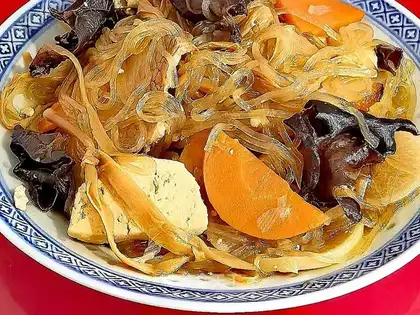
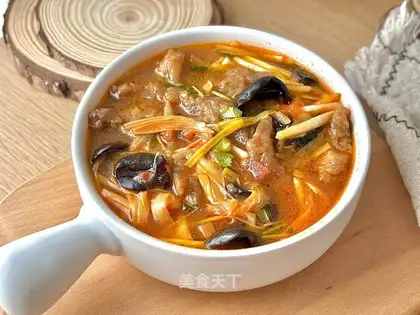
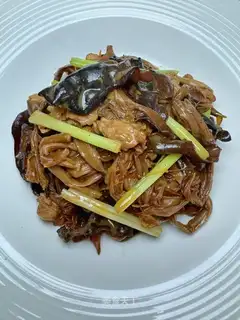
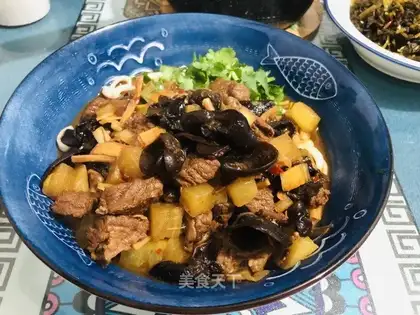
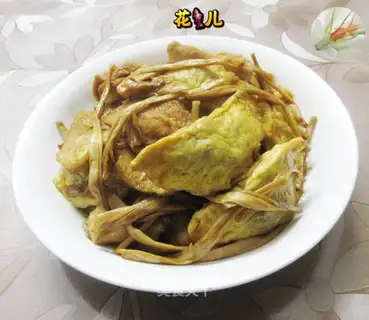
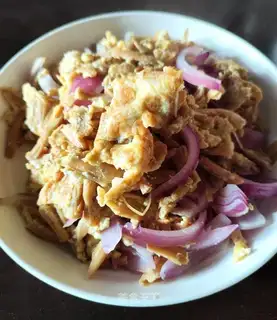
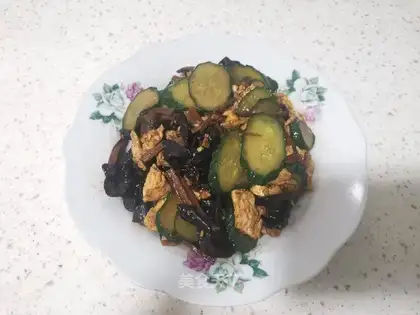
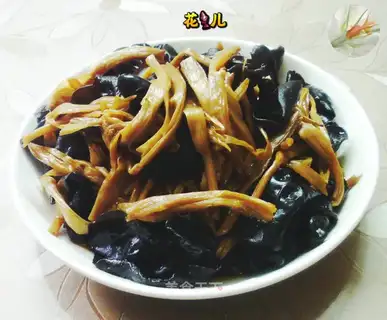
- Usage: Cooked daylilies can be added to soups, stir-fries, salads, or consumed as a vegetable side dish.
3. Who Should Avoid Daylilies?
Certain individuals should exercise caution or avoid daylilies altogether:
- Pregnant and breastfeeding women: Limited research on safety during pregnancy and lactation warrants caution.
- Individuals with kidney or liver disease: The diuretic effects may exacerbate conditions affecting these organs.
- Those on blood pressure medications: Daylilies’ potassium content may interact with diuretics or ACE inhibitors, leading to hyperkalemia (high potassium levels).
- Children: Due to their smaller body weight, children are more susceptible to colchicine poisoning.
4. Moderation is Key
Even when properly cooked, daylilies should be consumed in moderation. A serving of 50–100 grams per day is considered safe for most adults. Excessive consumption may still cause mild digestive discomfort due to high fiber content.
IV. Culinary Uses and Cultural Significance
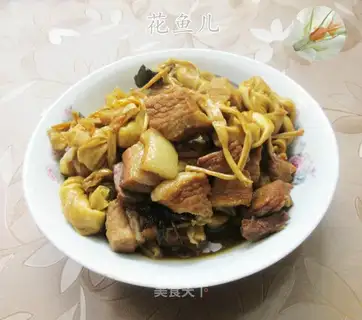
Daylilies have a long history of culinary use, particularly in Asian cuisine. In China, fresh or dried daylily buds (jin zhen or “golden needles”) are a staple in dishes like hot and sour soup and Buddha’s delight. They are prized for their mild, slightly sweet flavor and tender-crisp texture. In Japan, suzushiro (daylily petals) are tempura-fried or added to salads. In the United States, daylilies are sometimes used as a garnish or in desserts, though their use is less widespread.
Beyond their culinary appeal, daylilies hold cultural symbolism. In Chinese culture, they represent prosperity and longevity, often featured in festivals and celebrations. Their ability to bloom at dawn and wilt by dusk has also inspired poetic references to transience and beauty.
V. Conclusion
Daylilies are a nutritional and culinary treasure, offering a wealth of vitamins, minerals, antioxidants, and health benefits. From supporting heart and brain health to boosting immunity and promoting skin vitality, these flowers have earned their place as a functional food. However, their toxicity when raw underscores the importance of proper preparation. By cooking daylilies thoroughly and consuming them in moderation, individuals can safely enjoy their unique flavor and therapeutic properties. As research continues to uncover their potential, daylilies may become increasingly recognized as a superfood, bridging the gap between traditional wisdom and modern nutrition.
In a world where dietary choices are increasingly focused on health and sustainability, daylilies stand out as a versatile, nutrient-rich ingredient—one that, when respected and prepared with care, can enhance both meals and well-being.