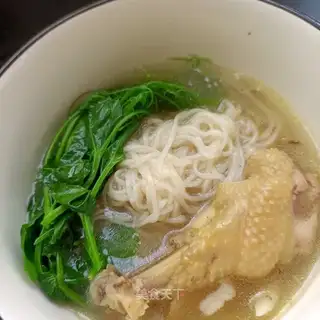
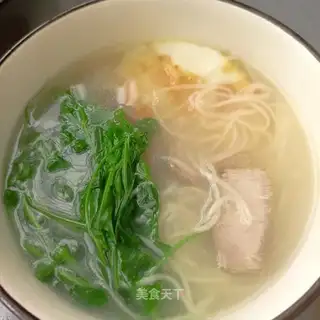
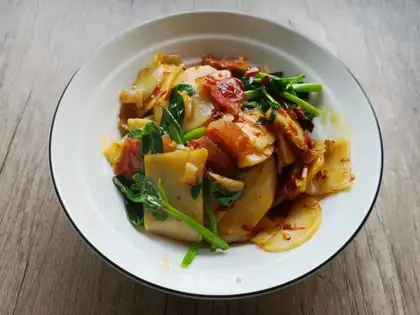
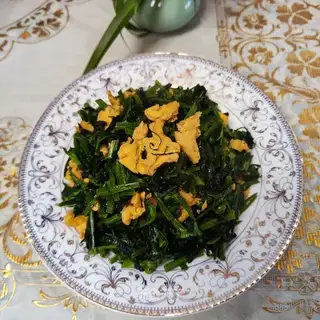
Pea shoots, the tender, leafy tips of pea plants (Pisum sativum), have long been a staple in Asian cuisine, celebrated for their delicate flavor and crisp texture. In recent years, these young greens have gained global popularity as a "superfood," revered for their dense nutrient profile and versatility in cooking. Often referred to as "pea sprouts" or "dou miao" in Chinese, they are not just a culinary delight but also a nutritional powerhouse. This article explores the nutritional value of pea shoots, their health benefits, potential consumption precautions, and creative ways to incorporate them into a balanced diet.
I. Nutritional Value of Pea Shoots
Pea shoots are a concentrated source of essential vitamins, minerals, antioxidants, and plant-based compounds, making them one of the most nutrient-dense leafy vegetables available. Their nutritional profile is particularly remarkable considering their young, tender stage of growth.
1. Vitamins
- Vitamin K: Pea shoots are exceptionally rich in vitamin K, a crucial nutrient for blood clotting and bone health. Just one cup (about 30 grams) of raw pea shoots provides over 50% of the daily recommended intake (DRI) of vitamin K. This makes them particularly beneficial for individuals at risk of osteoporosis or those requiring improved wound healing.
- Vitamin C: These greens are an excellent source of vitamin C, a powerful antioxidant that supports immune function, collagen synthesis, and skin health. A single cup of pea shoots contains approximately 40% of the DRI for vitamin C, rivaling citrus fruits in terms of concentration per serving.
- Vitamin A: Pea shoots are high in beta-carotene, a precursor to vitamin A, which is essential for vision, immune health, and cell growth. The vitamin A content in pea shoots helps maintain healthy mucous membranes and may reduce the risk of age-related macular degeneration.
- Folate (Vitamin B9): Important for DNA synthesis and cell division, folate is abundant in pea shoots. One cup provides around 25% of the DRI, making them a valuable food for pregnant women to support fetal development.
2. Minerals
- Iron: Pea shoots are a good plant-based source of iron, which is vital for oxygen transport in the blood and energy production. The iron in pea shoots is non-heme iron, but its absorption can be enhanced by consuming it with vitamin C-rich foods (such as bell peppers or tomatoes).
- Potassium: These greens are rich in potassium, a mineral that helps regulate blood pressure, fluid balance, and nerve function. A cup of pea shoots contains approximately 10% of the DRI for potassium, contributing to heart health.
- Calcium: While not as high as dairy products, pea shoots provide a moderate amount of calcium, which is essential for bone and teeth health. They also contain compounds that enhance calcium absorption, such as vitamin K.
3. Antioxidants and Phytochemicals
Pea shoots are loaded with antioxidants, including flavonoids, phenolic acids, and carotenoids, which help neutralize harmful free radicals and reduce oxidative stress. Key phytochemicals in pea shoots include:
- Quercetin: A flavonoid with anti-inflammatory and antihistamine properties, quercetin may help alleviate allergies and support cardiovascular health.
- Saponins: These compounds have been shown to have cholesterol-lowering effects and may exhibit anti-cancer properties by inhibiting the growth of cancer cells.
- Coumestrol: A phytoestrogen with potential anti-inflammatory and antioxidant benefits, coumestrol may support hormonal balance and reduce the risk of chronic diseases.
4. Fiber and Protein
Pea shoots are a good source of dietary fiber, which aids digestion, promotes satiety, and helps regulate blood sugar levels. One cup of raw pea shoots provides about 2 grams of fiber, contributing to 8% of the DRI. Additionally, they contain a moderate amount of plant-based protein (around 3 grams per cup), making them a valuable addition to vegetarian and vegan diets.
II. Health Benefits of Pea Shoots
The impressive nutritional profile of pea translates into a range of health benefits, from supporting immune function to reducing the risk of chronic diseases.
1. Boosts Immune System
The high vitamin C content in pea shoots plays a key role in immune health by stimulating the production of white blood cells and enhancing the function of immune cells. Vitamin C also acts as an antioxidant, protecting immune cells from damage caused by free radicals. Additionally, the vitamin A in pea shoots helps maintain the integrity of the skin and mucous membranes, which serve as the body’s first line of defense against pathogens.
2. Supports Bone Health
Pea shoots are a powerhouse of bone-healthy nutrients, including vitamin K, calcium, and vitamin K. Vitamin K activates proteins that are essential for bone mineralization, while calcium provides the structural framework for bones. Regular consumption of pea shoots may help reduce the risk of osteoporosis and fractures, especially in older adults.
3. Promotes Heart Health
The potassium in pea shoots helps lower blood pressure by counteracting the effects of sodium and relaxing blood vessel walls. The fiber in pea shoots also helps reduce LDL ("bad") cholesterol levels by binding to cholesterol in the digestive system and preventing its absorption. Furthermore, the antioxidants in pea shoots, such as quercetin and flavonoids, reduce inflammation in the arteries and improve overall cardiovascular function.
4. Aids Weight Management
Pea shoots are low in calories (around 20-30 calories per cup) but high in fiber and water, making them an ideal food for weight management. The fiber promotes feelings of fullness, reducing overall calorie intake, while the high water content helps hydrate the body and support metabolism. Additionally, the plant-based protein in pea shoots helps preserve muscle mass during weight loss.
5. Enhances Digestive Health
The fiber in pea shoots adds bulk to stool and promotes regular bowel movements, preventing constipation. Fiber also serves as a prebiotic, feeding the beneficial bacteria in the gut and supporting a healthy gut microbiome. A healthy gut microbiome is linked to improved digestion, better immune function, and a reduced risk of digestive disorders such as irritable bowel syndrome (IBS).
6. Anti-Inflammatory and Anticancer Properties
The antioxidants and phytochemicals in pea shoots have potent anti-inflammatory effects, which may help reduce the risk of chronic diseases such as arthritis, diabetes, and heart disease. Studies have shown that compounds like saponins and coumestrol in pea shoots may inhibit the growth of cancer cells and prevent the formation of tumors. For example, saponins have been found to induce apoptosis (programmed cell death) in colon cancer cells, while coumestrol may reduce the risk of breast cancer by blocking the effects of estrogen.
7. Supports Skin Health
The vitamin C in pea shoots is essential for collagen synthesis, a protein that gives skin its structure and elasticity. Collagen production declines with age, leading to wrinkles and sagging skin. Regular consumption of pea shoots helps maintain collagen levels, promoting youthful, healthy skin. Additionally, the antioxidants in pea shoots protect the skin from damage caused by UV radiation and pollution, reducing the risk of premature aging.
III. Consumption Precautions and Potential Side Effects
While pea shoots are generally safe for most people, there are a few precautions to keep in mind to ensure optimal health benefits.
1. Pesticide Residues
Pea shoots are often grown quickly and may be more susceptible to pesticide residues than mature vegetables. To minimize exposure, it is recommended to wash pea shoots thoroughly under running water or soak them in a solution of water and vinegar for 10-15 minutes before consumption. Organic pea shoots are a safer option, as they are grown without synthetic pesticides.
2. Oxalate Content
Pea shoots contain oxalates, natural compounds that can bind to calcium and form kidney stones in susceptible individuals. People with a history of kidney stones or those at risk of developing them should consume pea shoots in moderation and ensure adequate hydration to reduce oxalate absorption. Cooking pea shoots can also help reduce oxalate levels.
3. Allergic Reactions
Although rare, some people may be allergic to pea shoots, especially those with a known allergy to legumes (such as peanuts or soy). Symptoms of an allergic reaction may include itching, swelling, hives, or difficulty breathing. Individuals with a legume allergy should avoid pea shoots or consult a healthcare professional before consuming them.
4. Blood Thinning Effects
Pea shoots are high in vitamin K, which plays a key role in blood clotting. People taking blood-thinning medications (such as warfarin) should maintain a consistent intake of vitamin K to avoid interactions with their medication. It is important to consult a healthcare provider or registered dietitian to determine the appropriate amount of pea shoots to consume while on blood thinners.
5. Purine Content
Pea shoots contain purines, which can break down into uric acid in the body. High levels of uric acid can lead to gout, a painful form of arthritis. People with gout or high uric acid levels should limit their intake of pea shoots and other purine-rich foods to avoid flare-ups.
IV. Culinary Uses and Creative Ways to Incorporate Pea Shoots
Pea shoots are incredibly versatile in the kitchen and can be used in a variety of dishes, from salads to stir-fries. Their mild, slightly sweet flavor and crisp texture make them a great addition to both raw and cooked dishes.
1. Raw Dishes
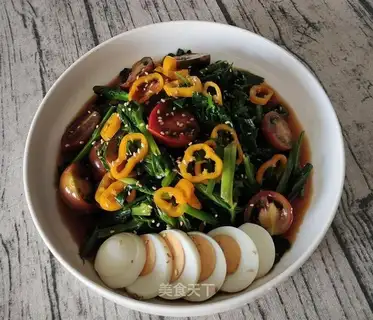
- Salads: Pea shoots add a fresh, crunchy element to salads. Toss them with mixed greens, cherry tomatoes, cucumbers, and a light vinaigrette for a refreshing side dish.
- Sandwiches and Wraps: Use pea shoots as a substitute for lettuce in sandwiches or wraps for a crisp texture and mild flavor.
- Garnishes: Sprinkle pea shoots over soups, stews, or pasta dishes as a garnish to add color and freshness.
2. Cooked Dishes
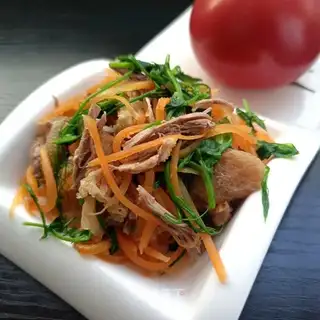
- Stir-Fries: Pea shoots cook quickly, making them perfect for stir-fries. Sauté them with garlic, ginger, and tofu or shrimp for a quick and healthy meal.
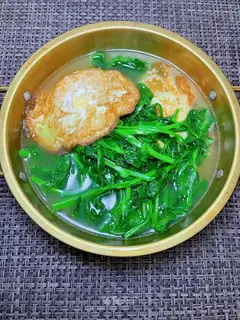
- Soups and Stews: Add pea shoots to the last few minutes of cooking soups or stews to retain their crispness and flavor.
- Sauteed Greens: Sauté pea shoots with olive oil, garlic, and a pinch of salt for a simple and nutritious side dish.
3. Smoothies and Juices
Blend pea shoots into smoothies for an extra boost of vitamins and minerals. Their mild flavor pairs well with fruits like bananas, berries, and mangoes. You can also juice pea shoots along with other vegetables like carrots and celery for a nutrient-rich drink.
V. Conclusion
Pea shoots are a nutritional powerhouse, offering a wide range of health benefits from immune support to bone health. Their high content of vitamins, minerals, antioxidants, and fiber makes them an excellent addition to a balanced diet. While they are generally safe for most people, it is important to be mindful of potential precautions such as pesticide residues, oxalate content, and interactions with blood-thinning medications. By incorporating pea shoots into a variety of dishes, you can enjoy their delicate flavor while reaping their numerous health benefits. Whether eaten raw in salads, cooked in stir-fries, or blended into smoothies, pea shoots are a versatile and nutritious ingredient that can enhance both the taste and healthfulness of your meals.
In a world where healthy eating is increasingly important, pea shoots stand out as a superfood that is both delicious and beneficial. Their growing popularity is a testament to their nutritional value and culinary versatility, making them a must-try for anyone looking to improve their diet and overall health.