Introduction
In the realm of wild edibles and traditional herbs, few plants are as humble yet as nutritionally potent as Cirsium setosum, commonly known as the thistle or, in Chinese, "cì’ér cài" (刺儿菜). Recognizable by its serrated, spiny-edged leaves and vibrant purple flower heads, this hardy perennial has long been valued in both Eastern and Western traditions—for its medicinal properties, culinary versatility, and resilience. Often dismissed as a "weed," Cirsium setensum is, in fact, a nutritional powerhouse, rich in vitamins, minerals, and bioactive compounds. This article explores its nutritional profile, health benefits, culinary applications, and important precautions, shedding light on why this overlooked plant deserves a place in modern diets and wellness practices.
Nutritional Profile: A Treasure Trove of Essential Nutrients
Cirsium setosum’s nutritional value lies in its dense concentration of vitamins, minerals, antioxidants, and phytochemicals, many of which are more abundant than in common cultivated vegetables.
Vitamins
The plant is exceptionally high in vitamin K, a critical nutrient for blood clotting and bone health. A 100-gram serving of fresh Cirsium setosum leaves provides over 300% of the daily recommended intake (DRI) of vitamin K, surpassing even spinach or kale. It is also rich in vitamin C, a powerful antioxidant that supports immune function, skin health, and collagen synthesis. Additionally, the leaves contain significant amounts of vitamin A (as beta-carotene), which is essential for vision, cell growth, and immune regulation, and folate (vitamin B9), vital for DNA synthesis and fetal development during pregnancy.
Minerals
Mineral content is another standout feature. Cirsium setosum is loaded with calcium, with 100 grams of fresh leaves providing up to 200 mg—comparable to a glass of milk—making it valuable for bone and dental health. It is also high in iron, a key component of hemoglobin that prevents anemia, and magnesium, which supports muscle function, nerve signaling, and blood pressure regulation. Other minerals present include potassium (for heart health), zinc (for immune function), and manganese (for antioxidant defense).
Bioactive Compounds
What truly sets Cirsium setosum apart is its array of phytochemicals, including flavonoids (such as luteolin and apigenin), polyphenols, and triterpenes. These compounds exhibit potent antioxidant, anti-inflammatory, and antimicrobial properties. For example, luteolin has been shown to reduce oxidative stress and protect against chronic diseases, while polyphenols may help lower the risk of cardiovascular disease by improving blood lipid profiles. The plant also contains cirsilineol, a flavonoid unique to thistles, which has demonstrated hepatoprotective (liver-protective) effects in animal studies.
Protein and Fiber
Though not as protein-rich as legumes, Cirsium setosum offers a modest amount of plant-based protein (about 3–4% by dry weight), along with high dietary fiber (up to 10% by dry weight). Fiber promotes digestive health, regulates blood sugar levels, and enhances satiety, making the plant a valuable addition to weight management diets.
Health Benefits: From Traditional Medicine to Modern Wellness
For centuries, Cirsium setosum has been used in traditional Chinese medicine (TCM) and European herbalism to treat a variety of ailments. Modern research is now validating many of these traditional uses, highlighting its potential as a therapeutic agent.
1. Anti-Inflammatory and Antioxidant Effects
Chronic inflammation and oxidative stress are underlying factors in many diseases, including arthritis, diabetes, and cancer. Cirsium setosum is rich in flavonoids and polyphenols, which scavenge free radicals and inhibit pro-inflammatory enzymes like cyclooxygenase-2 (COX-2). Studies suggest that extracts of the plant can reduce inflammation in conditions such as colitis and rheumatoid arthritis, while its antioxidant content may protect cells from damage caused by environmental toxins and aging.
2. Cardiovascular Health
The plant’s ability to support heart health is multifaceted. Its high potassium content helps regulate blood pressure by counteracting the effects of sodium, while its fiber lowers LDL ("bad") cholesterol and increases HDL ("good") cholesterol. Flavonoids like luteolin improve blood vessel elasticity and reduce the risk of atherosclerosis (hardening of the arteries). Animal studies have shown that Cirsium setosum extract can reduce triglyceride levels and prevent platelet aggregation, lowering the risk of blood clots.
3. Liver Protection
In TCM, Cirsium setosum is revered for its "liver-protecting" properties. Modern research confirms that its bioactive compounds, particularly cirsilineol and flavonoids, enhance liver function by increasing antioxidant enzyme activity (e.g., superoxide dismutase and glutathione peroxidase) and reducing liver inflammation. Studies in mice with chemical-induced liver damage have found that Cirsium setosum extract significantly lowers levels of liver enzymes (ALT and AST), markers of hepatocyte injury.
4. Blood Sugar Regulation
The plant’s fiber content slows carbohydrate digestion, preventing sharp spikes in blood sugar after meals. Additionally, flavonoids in Cirsium setosum improve insulin sensitivity, allowing cells to take up glucose more efficiently. A 2020 study published in the Journal of Ethnopharmacology found that diabetic rats treated with Cirsium setosum extract had lower fasting blood sugar levels and improved glucose tolerance compared to untreated controls.
5. Wound Healing and Hemostasis
Cirsium setosum has long been used topically to promote wound healing and stop bleeding, a property attributed to its high vitamin K content and anti-inflammatory compounds. Vitamin K is essential for the synthesis of prothrombin, a protein necessary for blood clotting. In traditional practices, fresh leaves are crushed and applied to cuts or nosebleeds to stem bleeding, while internal consumption is believed to treat internal bleeding conditions like hematuria (blood in urine) or menorrhagia (excessive menstrual bleeding).
6. Immune Support
The combination of vitamin C, vitamin A, and zinc in Cirsium setosum makes it a potent immune booster. Vitamin C stimulates the production of white blood cells, while vitamin A maintains the integrity of mucosal barriers (e.g., in the respiratory and digestive tracts). Zinc, meanwhile, plays a critical role in immune cell function and cytokine production. Regular consumption of the plant may help reduce the severity and duration of common colds and infections.
Culinary Uses: From Wild Green to Gourmet Ingredient
Though often overlooked in modern Western cuisine, Cirsium setosum is a versatile ingredient with a mild, slightly sweet flavor reminiscent of artichoke or young spinach. Both the leaves and young stems are edible, and the flowers can be used as a garnish or infused into teas.
Harvesting and Preparation
The best time to harvest Cirsium setosum is in spring and early summer, when the leaves are tender and before the plant flowers. Mature leaves become tough and bitter, so selecting young, vibrant shoots is key. To prepare, wash the leaves thoroughly to remove dirt and insects, then remove the sharp spines along the edges (though cooking softens them, making them safe to eat).
Cooking Methods
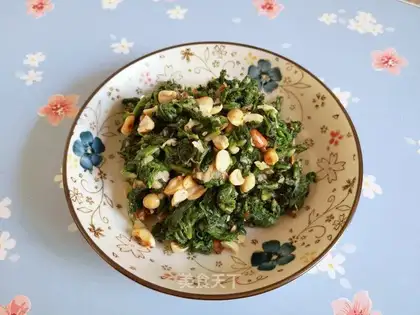
- Steaming or Sautéing: Young leaves can be steamed like spinach or sautéed with garlic and olive oil as a side dish. They pair well with onions, mushrooms, and lemon.
- Soups and Stews: In Eastern Europe and parts of Asia, Cirsium setosum is added to soups and stews, where its mild flavor blends well with broths and vegetables.
- Salads: Tender young leaves can be used fresh in salads, though mature leaves should be blanched first to reduce bitterness.
- Teas: The dried leaves and flowers are steeped to make a herbal tea believed to support liver health and reduce inflammation. The tea has a light, earthy taste with hints of sweetness.
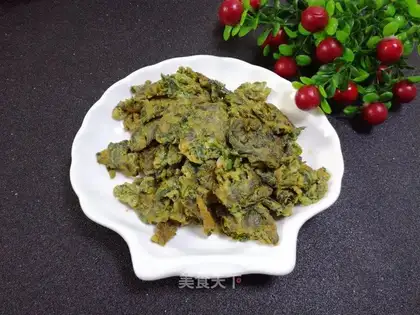
- Tempura or Fritters: In Japan, young Cirsium setosum shoots are battered and fried as tempura, a popular way to enjoy their crisp texture.
Traditional Dishes
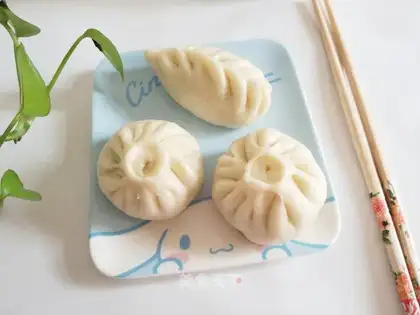
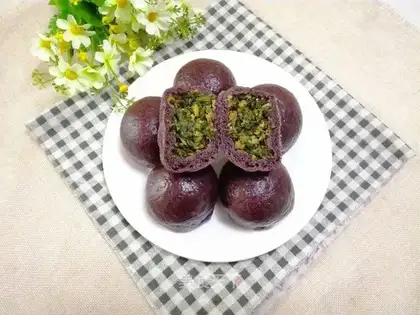
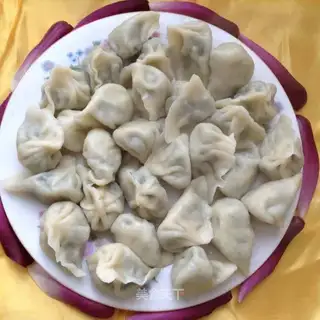
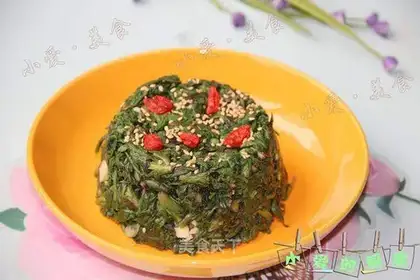
In China, "cì’ér cài" is commonly stir-fried with pork or tofu, added to congee (rice porridge), or pickled as a side dish. In rural areas of Eastern Europe, it is traditionally cooked with potatoes or made into a "greens" dish served with sour cream. These preparations highlight the plant’s ability to complement both savory and mild flavors.
Precautions and Potential Side Effects
While Cirsium setosum is generally safe for most people when consumed in moderation, there are several important precautions to consider:
1. Blood-Thinning Medications
Due to its high vitamin K content, Cirsium setosum may interfere with blood-thinning medications like warfarin, which work by inhibiting vitamin K-dependent clotting factors. Individuals taking such drugs should avoid consuming large amounts of the plant or consult a healthcare provider before use.
2. Pregnancy and Breastfeeding
Pregnant and breastfeeding women should exercise caution. While vitamin K is essential for fetal development, excessive intake may pose risks. Additionally, there is limited research on the safety of Cirsium setosum during pregnancy, so it is best to avoid it or consume it only in small, occasional amounts.
3. Allergic Reactions
Though rare, some individuals may be allergic to Cirsium setosum, particularly those with allergies to other plants in the Asteraceae family (e.g., ragweed, daisies, or sunflowers). Symptoms may include skin rash, itching, or difficulty breathing. Those with known allergies should avoid the plant.
4. Pesticide and Contamination Risks
As a wild plant, Cirsium setosum may be exposed to pesticides, herbicides, or environmental pollutants if harvested from urban or agricultural areas. It is crucial to source the plant from clean, wild locations (e.g., organic fields, forests, or gardens free of chemical use) or grow it organically at home.
5. Diuretic Effects
Cirsium setosum has mild diuretic properties, meaning it increases urine production. While this can be beneficial for flushing toxins, excessive consumption may lead to dehydration or electrolyte imbalances in individuals with kidney problems or those taking diuretic medications.
6. Interaction with Diabetes Medications
The plant’s ability to lower blood sugar may enhance the effects of diabetes medications (e.g., metformin or insulin), increasing the risk of hypoglycemia (low blood sugar). Diabetics should monitor their blood sugar levels closely when consuming Cirsium setosum and adjust their medication dosage as needed under medical supervision.
Conclusion
Cirsium setosum is a remarkable example of how nature’s "weeds" can be nutritional and medicinal goldmines. Its dense array of vitamins, minerals, and bioactive compounds supports a wide range of health benefits, from reducing inflammation and protecting the liver to regulating blood sugar and boosting immunity. Culinary versatile and easy to incorporate into diets, it offers a sustainable and nutrient-dense alternative to conventional greens.
However, as with any herbal remedy, moderation and awareness are key. By understanding its nutritional value, health benefits, and precautions, individuals can safely harness the power of Cirsium setosum to enhance their well-being. As we rediscover the wisdom of traditional foods and wild edibles, this humble thistle may just emerge as a staple in the modern kitchen and medicine cabinet—proving that the most unassuming plants often hold the greatest gifts.