[Gourmet World Tiantian Delicious Food, Delicious Foods, Delicious Seafood, Longevity Breakfast Staple Rice and Noodle Classic]--"Celery Shrimp Skin Pan-Fried Bun" and "Celery Fragrant Fish and Sheep Ginkgo Congee"(Creative name on December 6)
Introduction to cooking methods:
1. To make and cook "Celery Shrimp Skin Shengjian Bun", mix celery, shrimp skin, and fragrant dried meat, season them and make into a bowl. Then wrap them into the prepared steamed bun skin to make 16 pleated small buns. Put them in a frying pan, add appropriate amount of peanut oil and water, steam the steamed buns over high heat, wait until the water in the frying pan evaporates, sprinkle with chopped green onion and black sesame seeds, and fry the bottom with slow fire to brown and crispy. Serve on a plate.
2. Cooking "Celery Fish and Sheep Ginkgo Congee", put rice and rice into the pot, add mutton soup and appropriate amount of water, boil until the rice grains bloom, add ginkgo, celery vegetable juice, and perch fish slices, bring to boil, season slightly, and sprinkle with onion and ginger when taken out of the pot. Serve.
Features:
1. The ingredients are ordinary, make the best use of everything, and are close to people's lives. The ingredients are scientifically and reasonably configured, the nutrition is balanced, the cooking is simple, the color, aroma and shape are complete, and the names of the dishes are appropriate, smooth and peaceful.
2. The best combination of rice and noodles, the perfect combination of delicacies from mountains and seas, the delicious presentation of thorny perch slices and mutton soup, and the celery vegetable juice makes ordinary rice porridge, which is shaped like emerald jade jelly, and the taste is rich and subtle., extremely nutritious, it is praised by friends as 'longevity porridge, longevity bag' that can prolong life ';
3. Vegetable plant roots, stems, leaves, mushrooms and animal low-fat proteins rich in various minerals, trace element nutrients and cellulose are especially suitable for children during growth and development, as well as elderly health care.
Pan-fried + porridge

Recipe Recommendations
- celery 400g
- mushroom 200g
- shrimp skin 80g
- flour 500g
- yeast powder appropriate amount
- rice 1 bowl
- ginger appropriate amount
- fine salt appropriate amount
- white granulated sugar appropriate amount
- MSG appropriate amount
- olive oil 50g
- peanut oil 50ml
- green onion a little
- black sesame a little
- Perch fillet 200g
- celery juice 150ml
- mutton soup 300ML
- baiguo 25 capsules
- onion ginger a little
Steps for Pan-fried + porridge
1
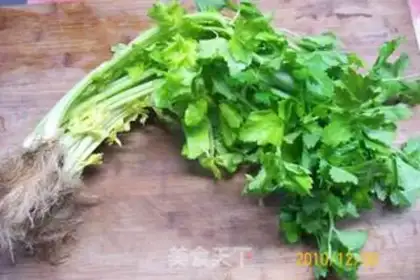
[Shanzhen and Seafood]--Processing and production of "Celery, Shrimp Skin, Mushroom, Fragrant Dried" fillings: Choose about 800g of fresh celery with complete roots and leaves.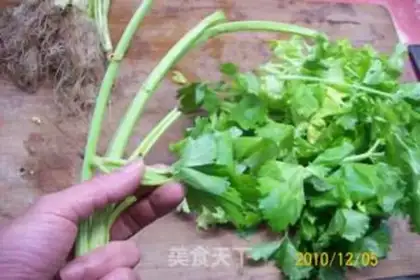
2
Remove celery branches and leaves from the celery fork.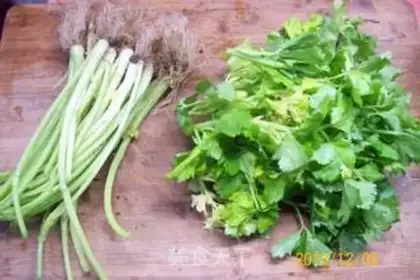
3
Place the picked celery stems and celery branches and leaves separately.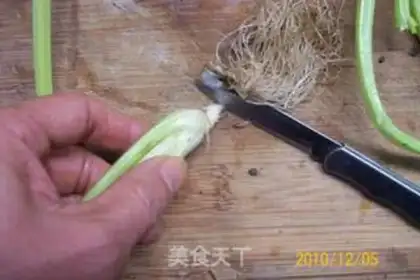
4
Use a knife to peel off celery roots and whiskers.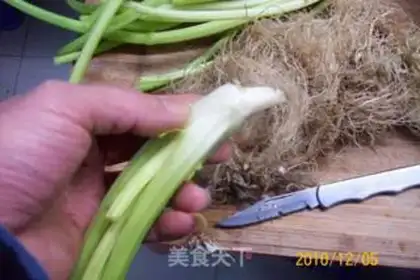
5
Leave the celery roots.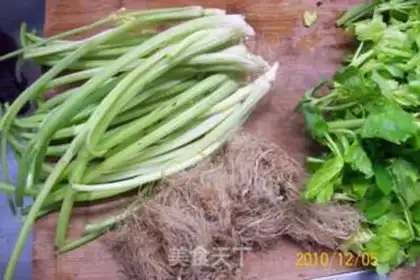
6
Note: If you have a patient with hypertension at home, you can use it in soup after washing the celery roots.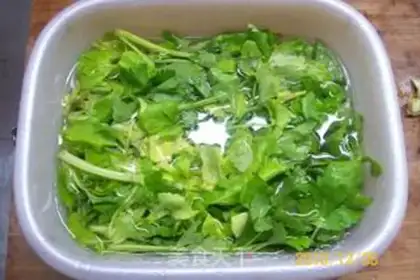
7
After washing celery branches and leaves with clear water, soak them in clear water to dissolve possible pesticide residues.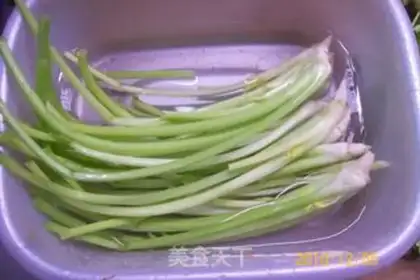
8
After the celery branches and leaves are washed away from the soil with clean water, they need to be soaked in the clear water for more than 20 times to dissolve possible pesticide residues.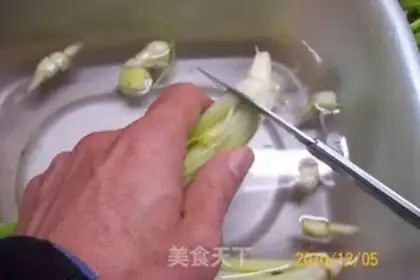
9
Use a knife to cut off the washed celery roots.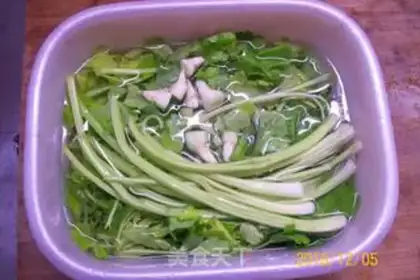
10
Choose old celery stems, celery branches, leaves, and roots as ingredients for steamed buns filling.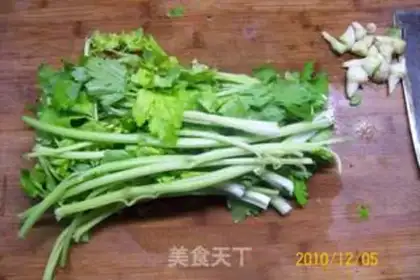
11
Drain the celery filling and place it on the chopping board.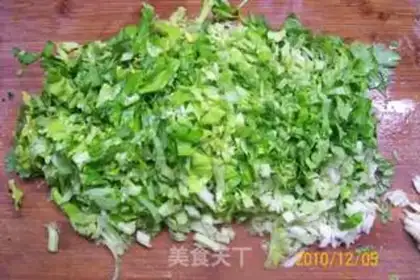
12
Use a knife to cut celery into small pieces of about 5 mm.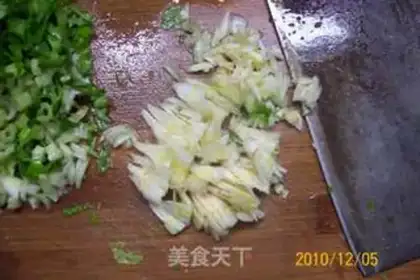
13
Use a knife to cut the celery roots and stems into slices, and then cut them into shreds.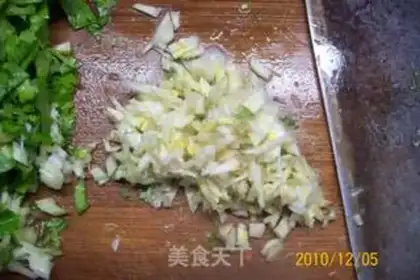
14
Finally, mix the celery roots and celery into pieces.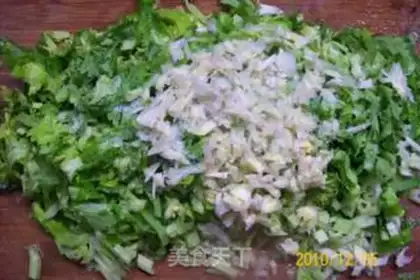
15
Stack the chopped celery roots on the chopped celery branches and leaves.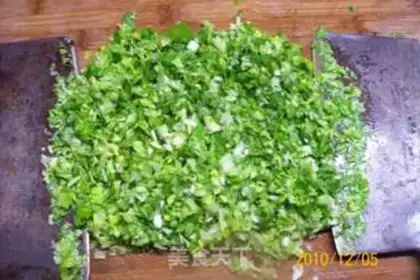
16
Sprinkle appropriate amount of fine salt on the celery, then chop the celery with a knife to make the celery branches, leaves, and roots even.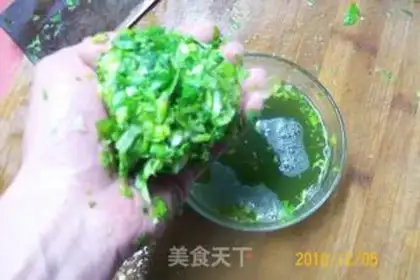
17
Squeeze off excess water from the celery, and squeeze the salty celery juice into a clean bowl for later use. (Note: Celery juice is used for cooking "Celery Fish, Sheep and Ginkgo Congee")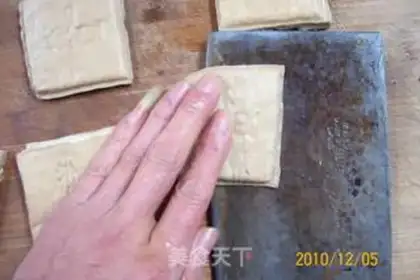
18
Choose ordinary fresh dried tofu without five-spice flavors, rinse it with warm boiled water, and use a knife to slice the dried tofu into two pieces.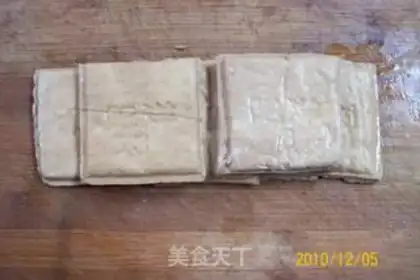
19
Lay the slices of fragrant dried incense neatly according to the method of sitting on the seam.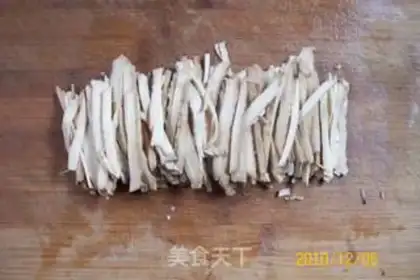
20
Use a knife to cut into filaments about 5mm wide.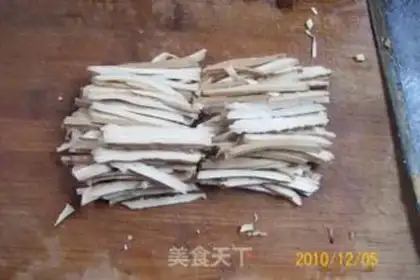
21
Stack the cut fragrant dried silk into strips about 10cm wide. (Note: 'The previous process serves the subsequent process.' This step is for the next step. Cut the fragrant dried dices and prepare them. In this way, the steamed buns will have uniform grains and have a rich taste.)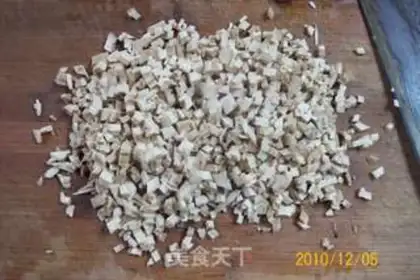
22
Use a knife to shred the dried tofu and cut it into dices about 5 mm. (Size is synchronized with celery)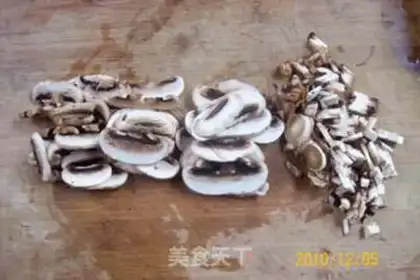
23
After washing the mushrooms with clean water, cut them into slices about 5mm thick with a knife.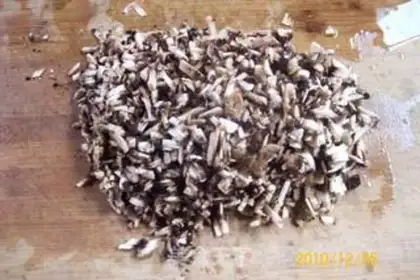
24
Cut the cut mushroom slices into shredded mushrooms about 5mm wide, and then use a knife to cut into shredded mushrooms about 5 mm.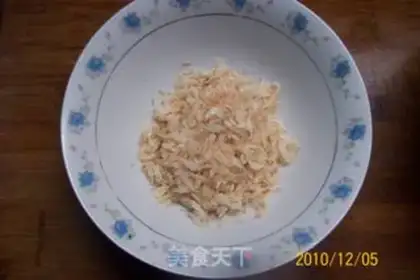
25
Sift off the sea shrimp skins with a sieve to remove impurities, taste salty and use later. (Note: Shrimp skins must be tasted salty in advance so as to grasp the amount of salt added when preparing fillings.)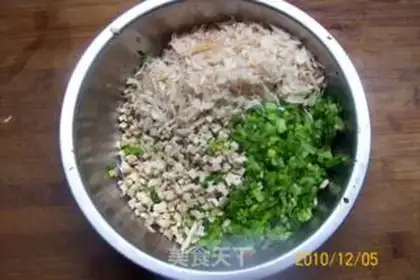
26
Put the processed celery, fragrant dried meat, mushrooms, and shrimp skin into a mixing bowl, and add appropriate amount of chopped green onion and ginger, fine salt, and white sugar.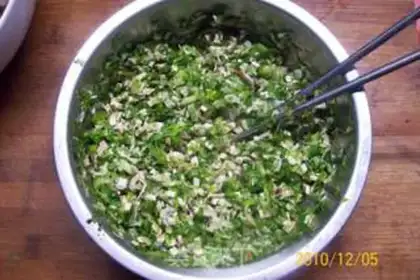
27
Use chopsticks to stir the filling evenly, then pour in MSG water dissolved in warm water of about 70 degrees, and then add appropriate amount of olive oil and stir evenly to make the [Shanzhen Haiwei]-"Celery, Shrimp Skin, Mushroom and Dried" stuffing.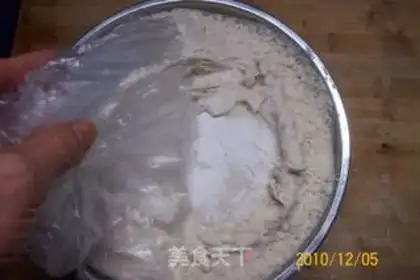
28
[Shanzhen Haiwei Longevity Bao]--Processing of the skin of "Celery Shrimp Skin Shengjian Bao": Add the yeast solution dissolved in warm water to the flour, stir, knead it into dough, and place it in an incubator with a hot water bag to ferment. When the dough has grown to two or three times in volume, you can take it out and use it.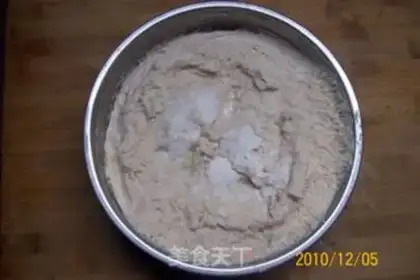
29
Extend the dough around the dough, sprinkle with dry flour, and then use your hand to completely peel off the dough stuck to the basin.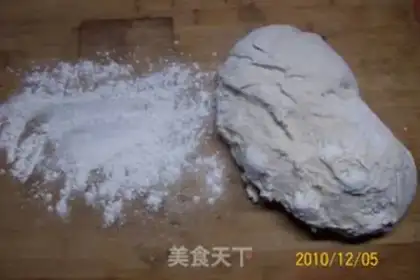
30
Brush the chopping board with nylon to clean the wood chips on the surface, dry it, sprinkle with dry flour, and then place the dough on the chopping board.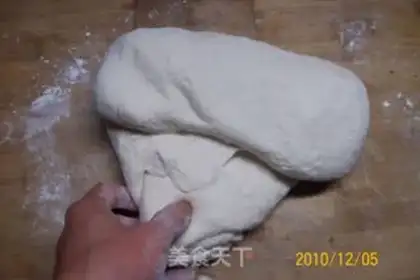
31
Knead the dough repeatedly with your hands, as shown in Figure 1.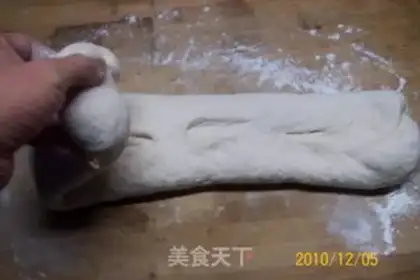
32
Knead the dough repeatedly with your hands to make the dough evenly distributed and has tenacity, as shown in Figure 2.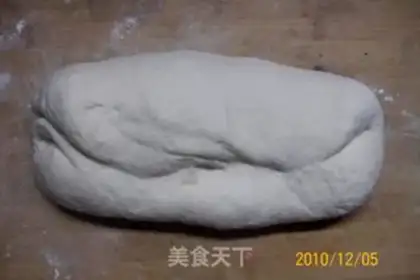
33
Knead the dough repeatedly with your hands to make the dough evenly distributed and tenacious, and it does not stick to your hands at all, as shown in Figure 3. (Note: 'The previous process serves the subsequent process.' Only by kneading tough dough can you make buns with thin skin and many fillings.)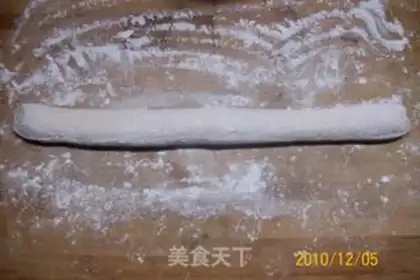
34
After the dough is processed, take appropriate amount and make it into cylindrical strips with a diameter of about 3 cm.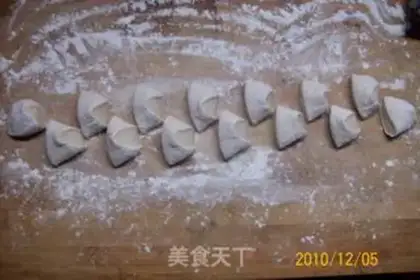
35
Rotate the dough strip back and forth at 90 degrees, and cut it into small pieces of about 2.5 cm with a knife.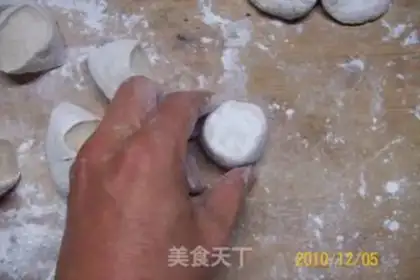
36
After the dough strips are cut, sprinkle with a proper amount of dry flour, and slightly straighten them one by one to form a column.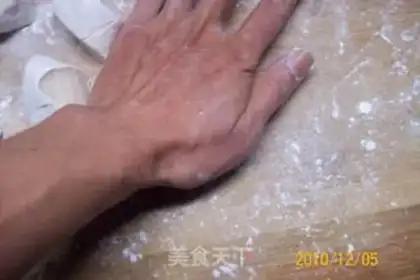
37
Press the cylindrical dough with the palm of your hand into a round cake-shaped base.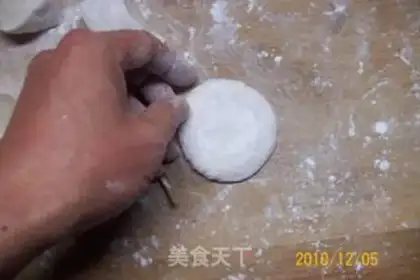
38
It is best to press the dough base round so that the bar can make a dough that is easier to make steamed buns. ('The former process serves the latter process')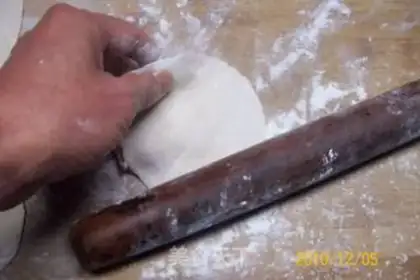
39
Rod making of the steamed stuffed bun skin: Hold the upper right end of the dough base with the thumb, index finger and middle finger of the left hand, hold the rolling pin with the right hand, extend the lower edge of the dough base, and roll it towards the center of the dough base. The rolling power is from heavy to light, so that the rolled buns skin is thick in the middle and thin in the periphery. During the rolling process, the left hand holds the edge of the dough base and rotates it to the left (counterclockwise) simultaneously, that is,'rolling it and rotating it'. The strength must be balanced.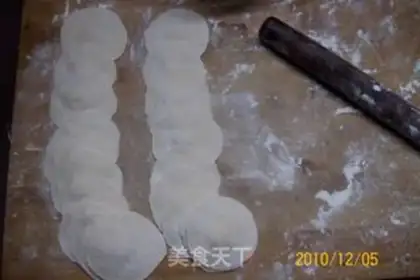
40
After the buns are rolled out, the thickness of the stacking needs to be determined according to the speed at which the buns are made. It is not easy to pile up too much to avoid sticking.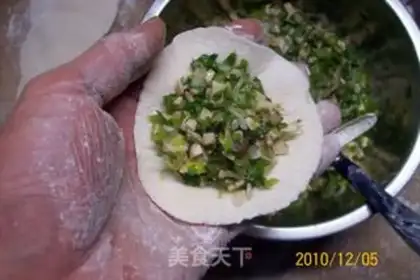
41
[Shanzhen Haiwei Longevity Bao]--Processing and production of "Celery Shrimp Skin Fried Bun": Put the steamed bun skin on the palm of your left hand, and put enough [Shanzhen Haiwei]-"Celery Shrimp Skin and Mushroom Fragrant Dry" stuffing on the steamed bun skin.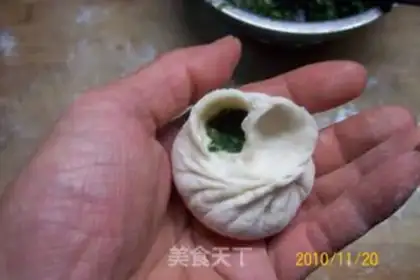
42
After adding the steamed stuffed bun filling, use the thumb and index finger of your right hand to hold the edge of the thumb skin, and use the middle finger to assist in stretching the steamed bun skin outwards. At the same time, fold the steamed bun skin counterclockwise and crush it with your thumb and index finger at the same time to make it The dough at the folds is adhered and thinned. When making, the left and right hands need to cooperate simultaneously, repeat the above steps continuously, and use 16 folds until the mouth of the steamed bun skin is closed, and the filling is tightly wrapped in it.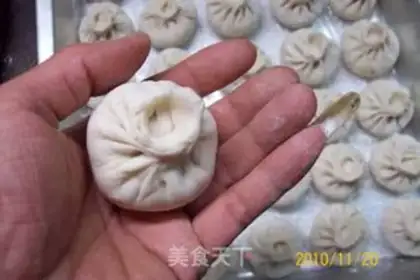
43
A well-made [Shanzhen and Seafood Longevity Bao]--"Celery Shrimp Skin Fried Bun" must not reveal the filling. In addition, the size of the filling must be constant.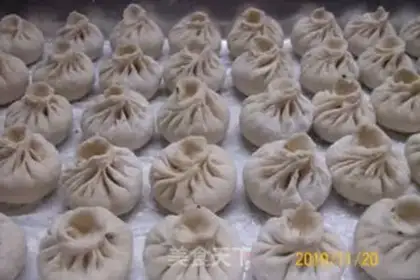
44
Place the prepared [Shanzhen Haiwei Longevity Bao]-"Celery Shrimp Skin Fried Bun" on the tray for later use.
45
[Shanzhen and Seafood Longevity Bao]--Cooking of "Celery and Shrimp Skin Pan-Fried Bun": The pots used to make the pan-fried buns, choose the prizes from the gourmets '"Double Festival Celebration" event,"Love More Help, Easy Cleaning and Non-Stick Frying Pan". Place the made steamed buns in "Love Duo Help Easy Cleaning Non-Stick Frying Pan". Note: The stacking of Shengjian buns can leave less gaps, because oil is added during cooking, so the buns are not easy to stick.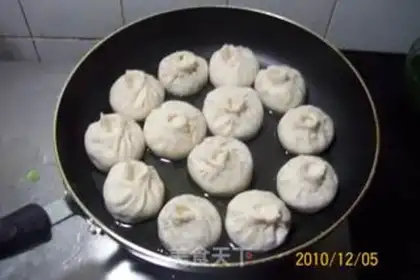
46
After arranging the steamed buns in "Love Duo Help Easy Cleaning Non-Stick Frying Pan", add enough peanut oil. (Note: If you want the crispy and fragrant part to be thicker, you can add more peanut oil, and vice versa.)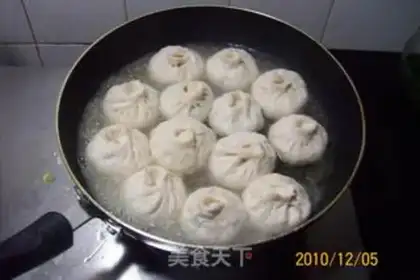
47
When the temperature of the pot rises and the oil temperature rises slightly, add enough water. (Note: The intake of clear water depends on factors such as the size of the steamed bun, the amount of stuffing, and the thickness of the steamed bun skin. The purpose of injecting water is to generate enough water vapor in the pan to steam the steamed buns, while the peanut oil is just the bottom of the steamed bun skin to produce a crispy shell.)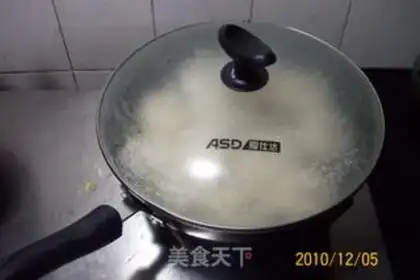
48
After injecting clear water into the frying pan, cover the lid and boil over high heat. Heat the water in the frying pan to dryness. Steam the [Shanzhen Haiwei Longevity Bao]--"Celery Shrimp Skin Shengjian Bao".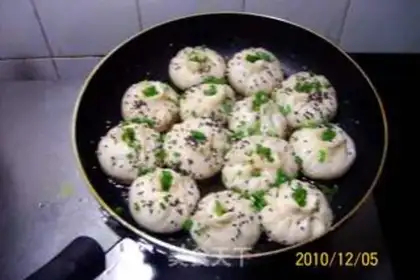
49
When the water in the frying pan is basically dry, but there is still a small amount of water, open the lid and pour in chopped green onion and black sesame seeds cooked in the microwave. (Note: Leave some water in the frying pan. The purpose is to make chopped green onion and black sesame seeds easily adhere to the skin of the fried buns.)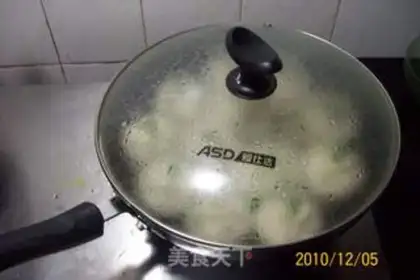
50
After pouring chopped green onion and black sesame seeds on the fried buns, cover the lid and bake the bottom of the fried buns thoroughly with slow fire to form a thick golden and crispy shell.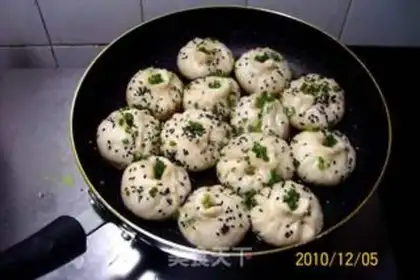
51
The fried [Shanzhen Haiwei Longevity Bao]--"Celery Shrimp Skin Shengjian Bao" needs to be stewed in a steamer for a while, so that the taste of the Shengjian Bao will be too high when it comes out of the pan, which will cause the moisture on the skin to evaporate too quickly and affect the taste. After the taste in the pan is slightly smaller, you can put it on a plate and eat it.
52
[Shanzhen and Seafood Longevity Bao]--Illustration of the finished product of "Celery and Shrimp Skin Pan-Fried Bao".
53
[Shanzhen and Seafood Longevity Bao]--Illustration of the filling of the finished product of "Celery Shrimp Skin Pan-Fried Bao".
54
[Shanzhen and Seafood Longevity Bao]--"Celery Shrimp Skin Pan-Fried Bun" and [Shanzhen and Seafood Longevity Congee]---"Celery Fish and Sheep Ginkgo Congee" cooked with celery and vegetable juice. The finished product of the "Gourmet World Tiantian Food Shanzhen and Seafood Longevity Breakfast Staple Rice and Noodle Classic" is the edible illustration of the finished longevity meal. (Note: Because the processing and production process of [Shanzhen and Seafood Longevity Congee]-"Celery Fish and Sheep Ginkgo Congee" is too long, it is divided into sequels and uploaded. I hope you will forgive me!)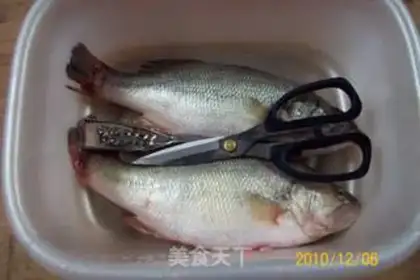
55
[Shanzhen and Seafood Longevity Congee]--Processing of ingredients for "Celery Fish, Sheep and Ginkgo Congee": Select fresh perch with tender meat, thick texture, and few thorns, float it in salt water for a while, and remove possible parts of the fish. Parasite and parasite eggs.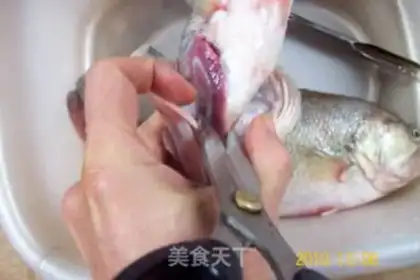
56
Use scissors to cut the gills and mandibular muscles and ligaments.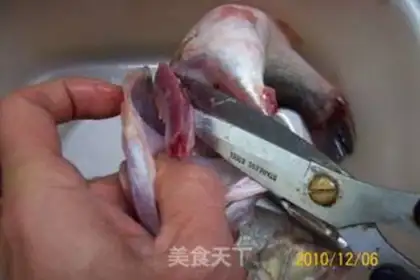
57
Use scissors to cut off the gills along the junction of the upper and lower ends of the chin arch.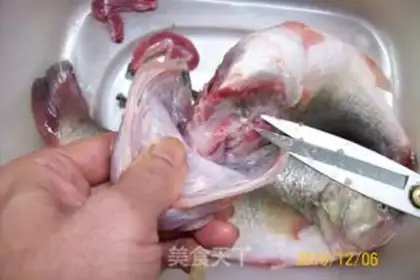
58
Illustration of the gills of a fish after the gills are cut off.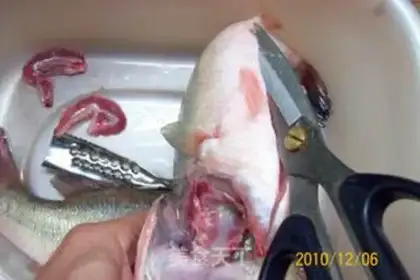
59
Use scissors to cut through the center of the fish's abdominal fin.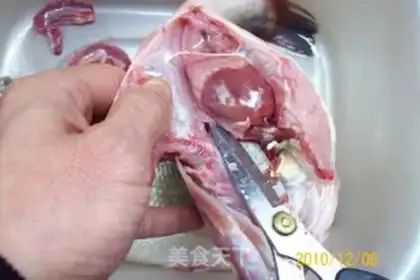
60
After the fish belly is broken, use scissors to cut the throat and esophagus of the bass.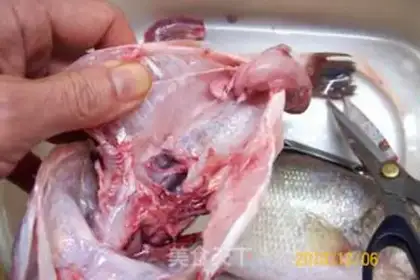
61
Remove the internal organs of the bass.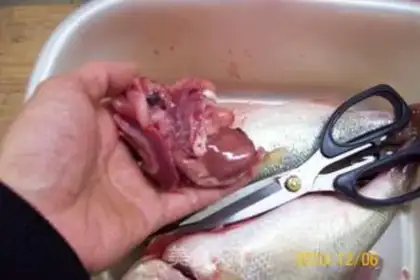
62
The fish gall in the viscera of bass should not be broken, and can be inspected when the viscera is taken out.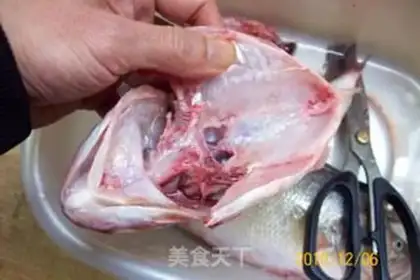
63
Try to keep the bass clean and free from blood juice during slaughtering. If there is some blood juice, you can wipe it with a rag.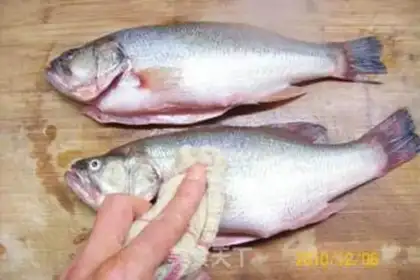
64
After the bass are slaughtered, wipe the water with a rag and place it on a dry chopping board. (If it is too wet, the perch will easily slip on the chopping board during post-processing.)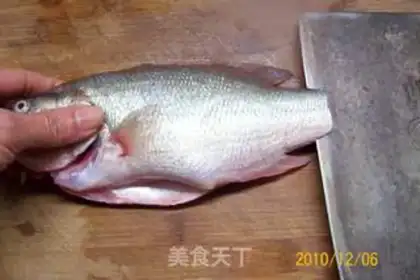
65
Use the knife to cut through the tail of the bass, and start the knife close to the bones of the bass.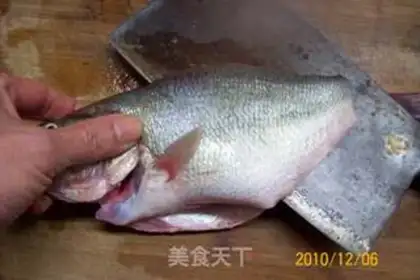
66
After starting the knife, the cutter head was tilted about 45 degrees previously, and the edge of the blade was pushed forward along the midline of the bass back. During the entire knife feeding process, the edge at the lower end must be closely attached to the bass vertebra.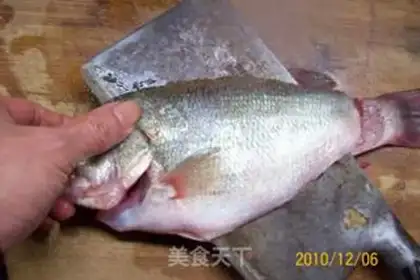
67
Insert the knife until the neck of the perch and separate half of the perch meat from the perch vertebrae.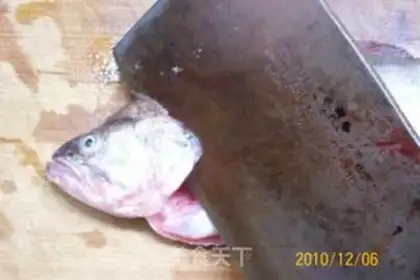
68
After separating the bass meat from the bass vertebrae, use a knife to cut off half of the bass meat.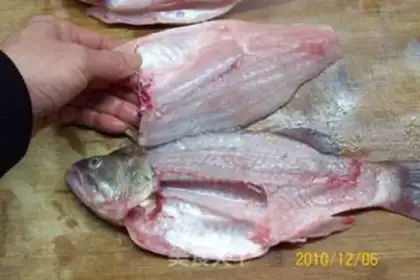
69
Illustration of half of the perch meat after being divided.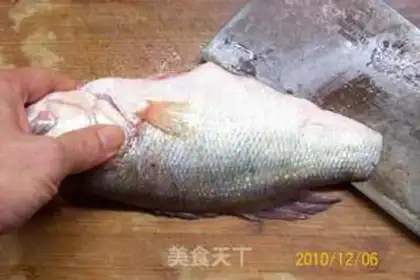
70
The other half of the perch is handled in the same way as above.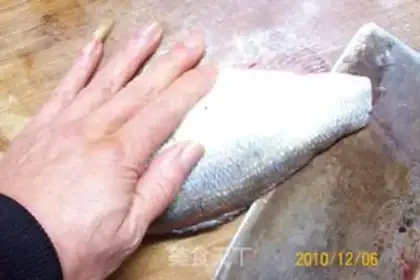
71
Picture 2 of the operating method of the other half of the bass.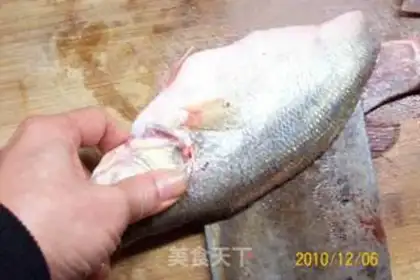
72
Illustration 3 of the operating method of the other half of the perch.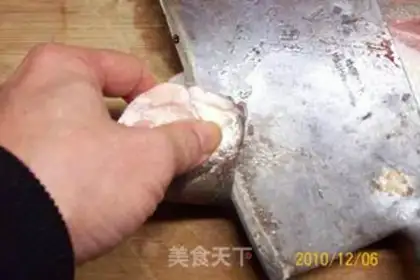
73
Picture 4 of the operating method of the other half of the perch.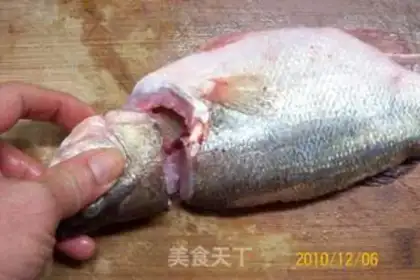
74
The operating method of the other half of the perch is shown in Figure 5.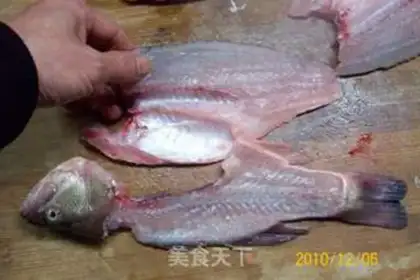
75
The operating method of the other half of the perch is shown in Figure 6.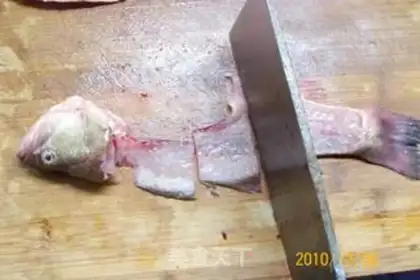
76
Chop the fish bones into inches with a knife and use them to cook "Perch Bones and Tofu Soup".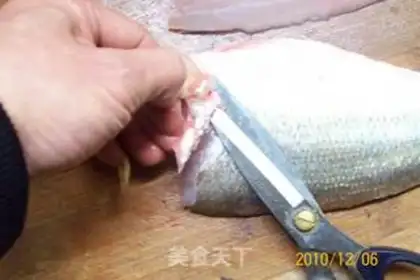
77
Use scissors to cut off the cheek humerus.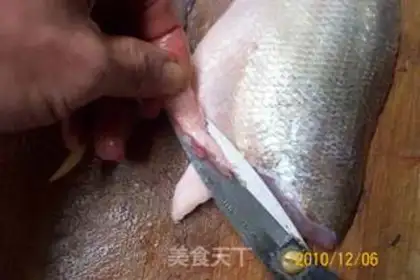
78
Use scissors to cut off the abdominal fin bones of the perch.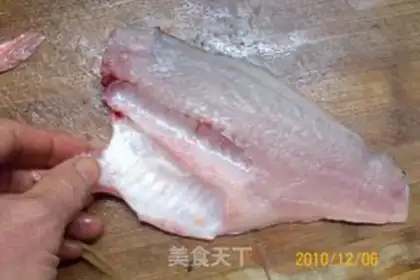
79
Place the bass slices down on the chopping board.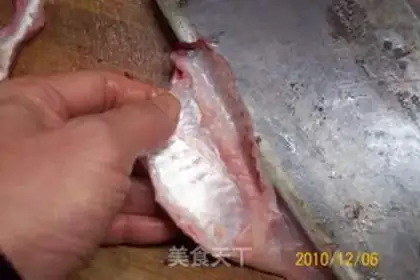
80
Insert the blade close to the bass ribs.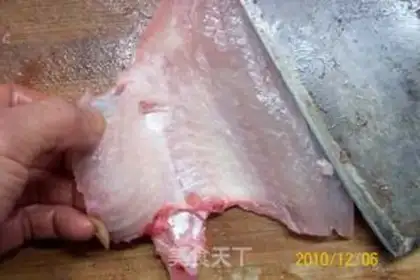
81
Use a knife to completely shave off the bone spur of the abdominal rib of the bass.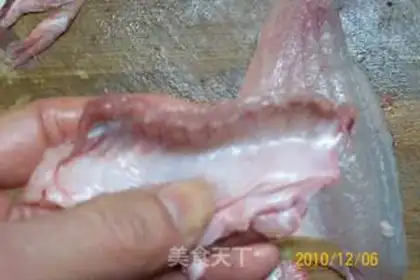
82
The bone spurs of the bass need to be shaved completely. If there is any omission, use tweezers to pull them out root by root.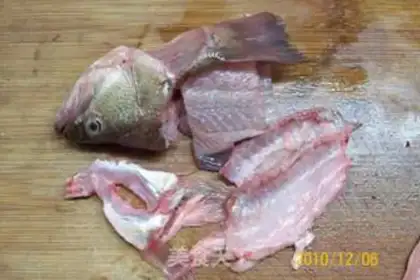
83
Gather the bass bones together and place them in layers for cooking "Perch Bones and Tofu Soup" or making stock.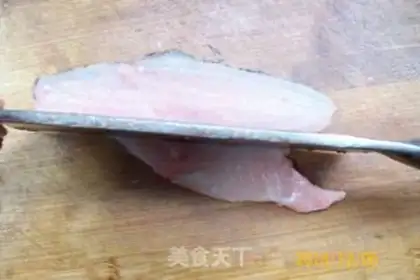
84
Use a knife to cut off the thin meat from the belly of the perch.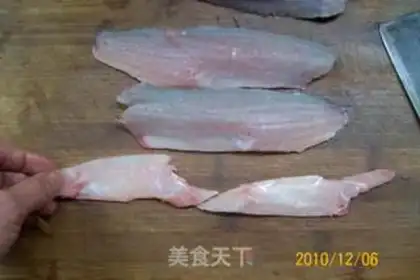
85
The divided fish meat is stacked separately, and the meat quality of different parts of the bass is used as different dish ingredients.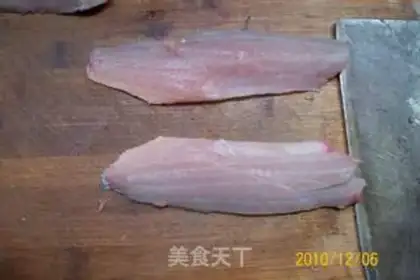
86
Before slicing fish slices, dry the chopping board and fish skin to avoid slipping during operation.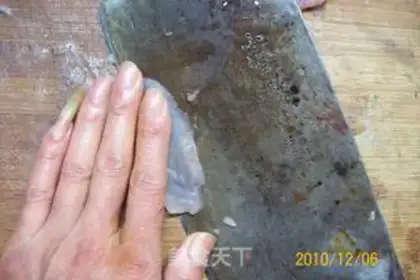
87
The angle of entry of slices of fish can be determined according to the thickness of the fish. The thinner the fish, the smaller the angle of entry needs to be, and the larger the fish will be sliced.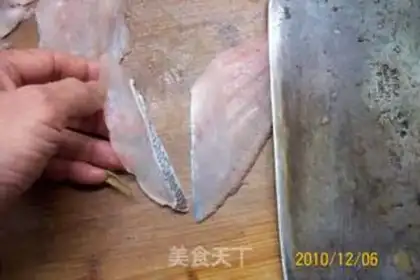
88
Illustration of finished fish fillet.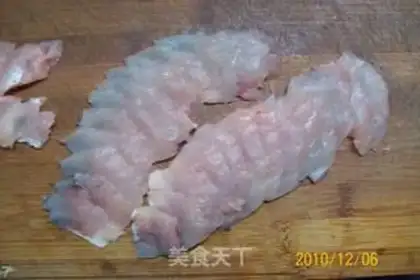
89
Lay the sliced fish slices neatly.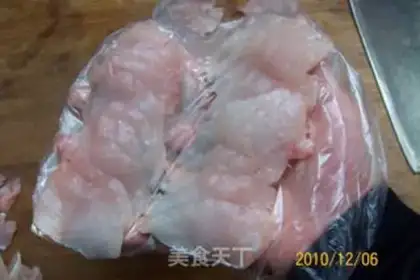
90
Fish slices that cannot be used all at one time can be placed in a fresh-keeping bag and stored in the refrigerator for cold storage or chilled.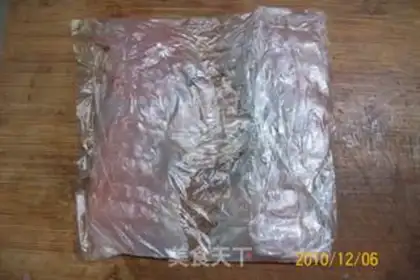
91
The fish slices stored in the refrigerator need to be stacked evenly in fresh-keeping bags according to daily usage, with uniform thickness and as thin as possible, so that they can be used for children's breakfast porridge on weekdays.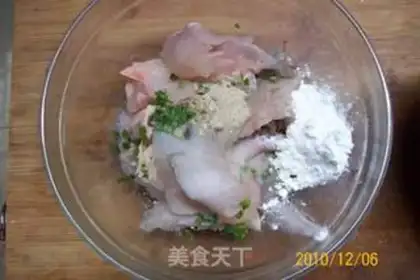
92
[Shanzhen and Seafood Longevity Congee]--Ingredients configuration of "Celery Fish, Sheep and Ginkgo Congee": Take 200g of perch slices, add chopped green onion and ginger, fine salt, cooking wine, pepper and starch paste, and make for about 10 minutes.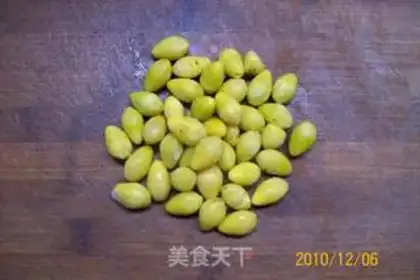
93
Soak ginkgo fruit with clear water for a while and wash it for later use.
94
Steam the washed ginkgo fruit in the microwave.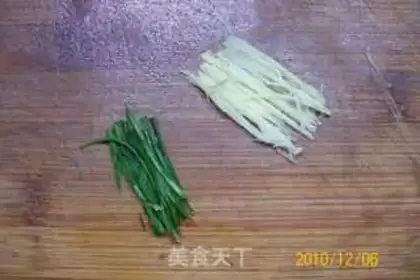
95
Wash the chives and ginger, and shred them for later use.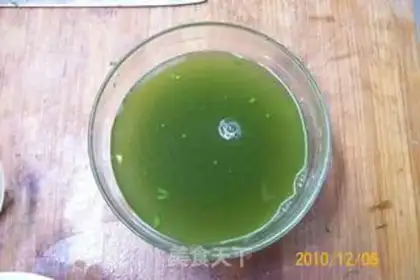
96
Take out the celery vegetable juice stored when making [Shanzhen Haiwei Longevity Bao]-"Celery Shrimp Skin Pan-Fried Bun" for later use.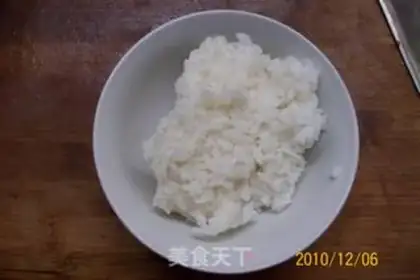
97
For porridge ingredients, you can use leftover rice from daily life.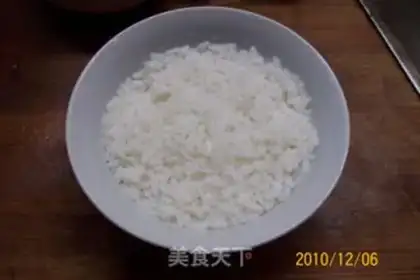
98
The rice needs to be washed with clean water, and the rice balls will be washed and dispersed into grains.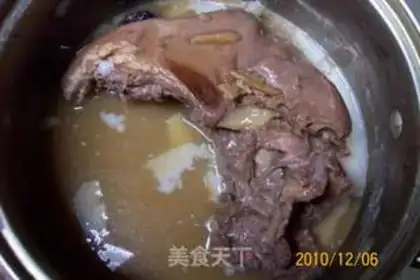
99
The soup uses pure mutton clear soup.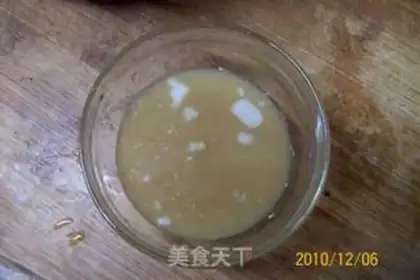
100
Remove the mutton soup300mlLeft and right backup。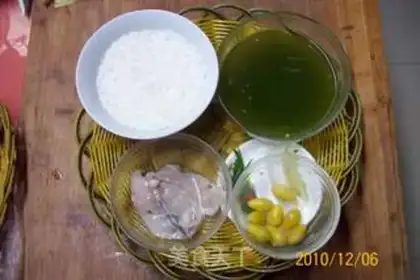
101
Place some of the processed ingredients on the side dish for later use。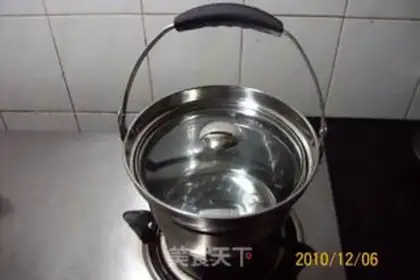
102
Adopt gourmet prizes‘Recook pot without fire’Bao Zhou。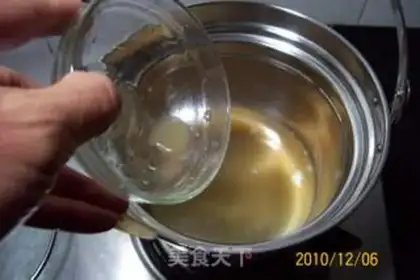
103
Add mutton soup to the pan。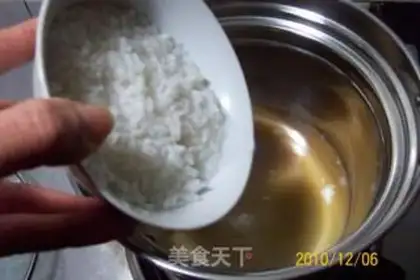
104
Add the washed rice。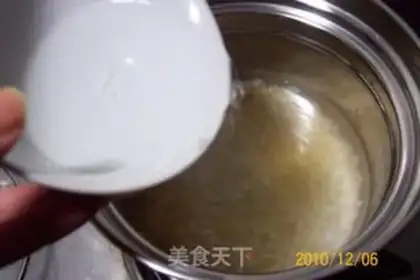
105
add appropriate amount of water。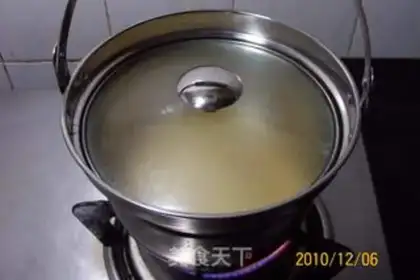
106
Cover the pot and bring to a boil,Cook slowly with slow fire。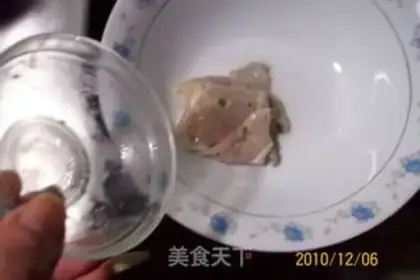
107
Pulped perch slices,Pour into a large bowl。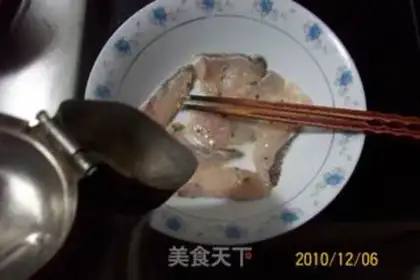
108
Use chopsticks to disperse the perch slices,Pour appropriate amount of boiling water and rinse。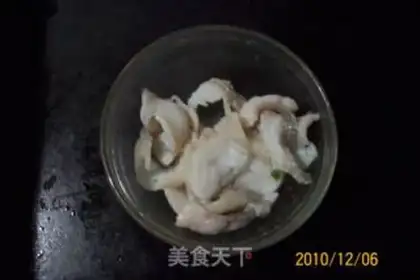
109
Blanch the bass slices until they change color,Use it after cooling with supercooled water。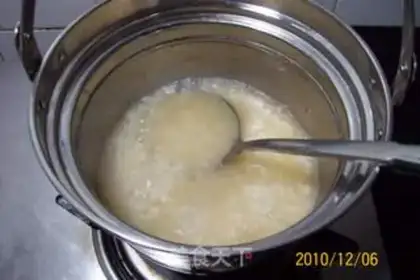
110
After the rice and grains are boiled, they bloom,Add ginkgo and cook for a while。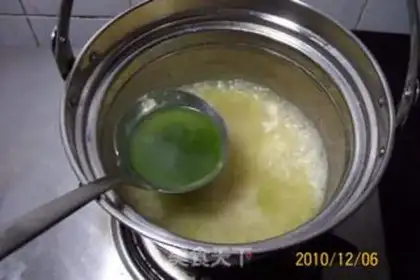
111
Add celery juice and mix well to color。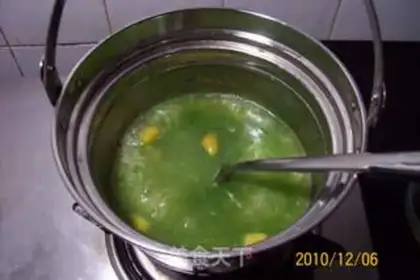
112
Add celery juice and mix well to color。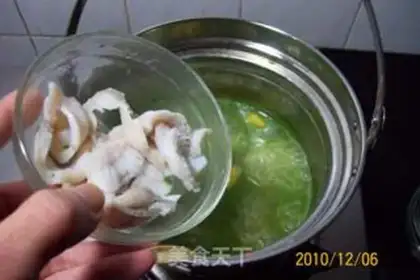
113
Add the processed bass slices。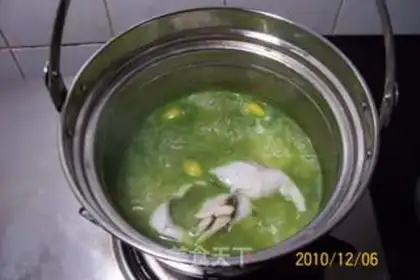
114
After the fish slices are added,Bring to a boil over high heat。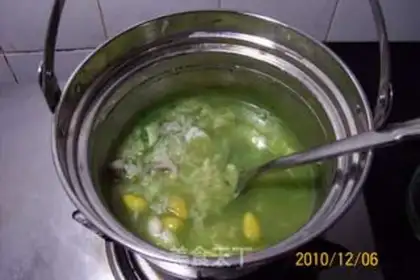
115
After the porridge is boiled,,Season slightly and sprinkle with shredded green onions and ginger,Serve it out of the pan。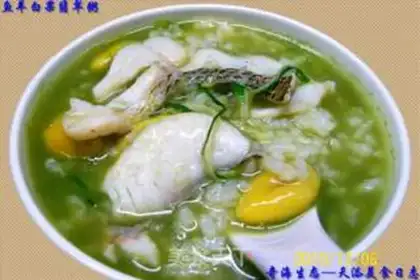
116
【Longevity porridge with delicacies and seafood】---《Celery fish and mutton ginkgo porridge》Finished product diagram。
117
【Longevity porridge with delicacies and seafood】---《Celery fish and mutton ginkgo porridge》with【Longevity Bao with delicacies and seafood】---《Pan-fried buns with celery and shrimp skin》partner,Eat as breakfast icon。