Dried plum vegetables are oily and dark, have a mellow aroma, unique aroma and delicious taste. Dried plum vegetables are often used to steam, stew in oil, and make soup. Eating them can relieve summer heat, clear the viscera, and appetizing.
Taro is rich in nutrients and contains a large amount of starch, minerals and vitamins. It is both a vegetable and a grain, and is deeply loved by people. After stewing, the taro will make the soup thicker, and the taro will easily absorb the soup of other ingredients, making it better to taste.
Braised pork with plum vegetables and taro
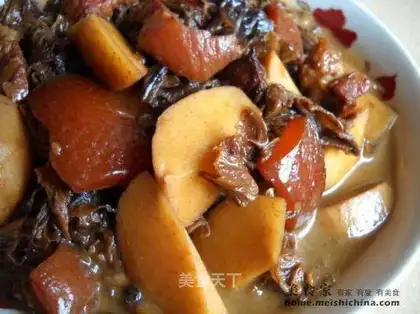
Recipe Recommendations
- pork 500 grams
- plum dried vegetables several
- Taro of 2
- Jiang a
- garlic 4-merous
- octagonal of 2
- oil 1 teaspoon
- pepper 1 teaspoon
- salt 1 teaspoon
- white sugar 15 grams
- salty and sweet
- burn
- an hour
- ordinary
Steps for Braised pork with plum vegetables and taro
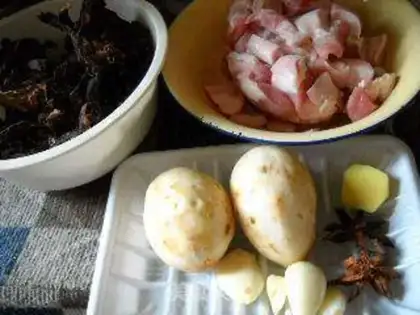
1
Prepare the ingredients.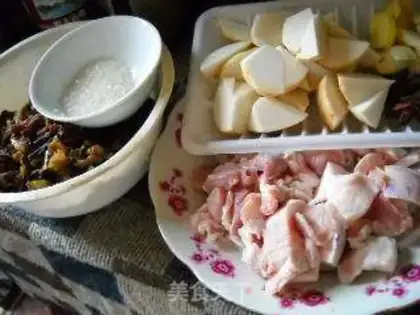
2
Wash the pork, cut it into pieces, and suck dry water; wash the dried plum vegetables and soak it; peel the taro, wash it, and cut it into pieces; slice the ginger and beat the garlic.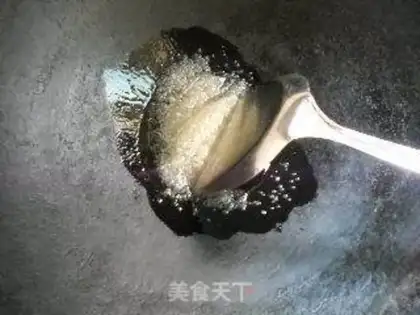
3
Sit in the pan and heat it up, add teaspoon of oil, add white sugar, and stir fry constantly.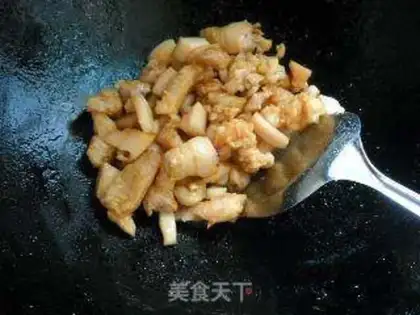
4
Stir fry the white sugar until it is about to bubble and before it is about to be shredded, pour in the pork and stir fry quickly to avoid sticking to the pan.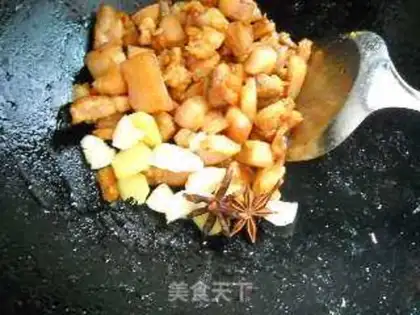
5
Add ginger, garlic, and star anise and continue to stir fry until the pork is oily.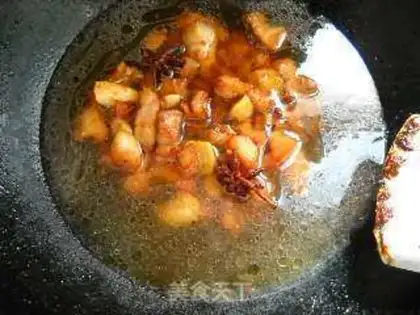
6
Stir fry until the pork is red and bright, and the sugar color is served. Add salt, add appropriate amount of water along the edge of the pan, and bring to a boil over high heat. Simmer on low heat for 50 minutes.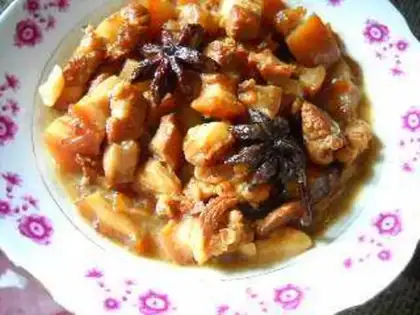
7
Simmer until the pork is soft and rotten, fragrant, and melts immediately in the mouth.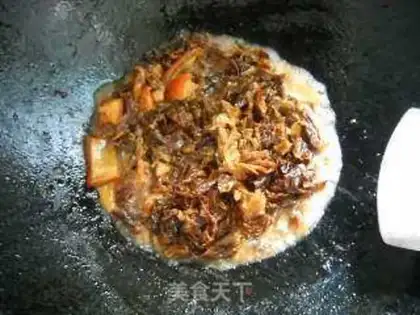
8
Leave appropriate amount of cooked meat in the pan, pour in dried plum vegetables, and stir-fry well.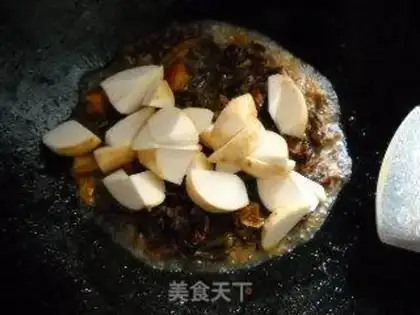
9
Pour in taro, add salt and pepper, and stir fry well. Add appropriate water and simmer for 15 minutes.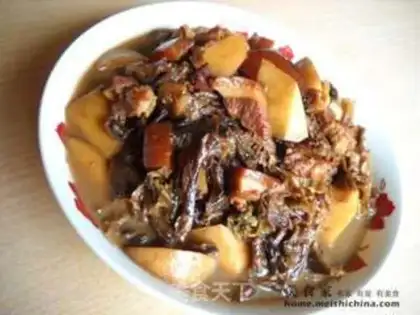
10
Simmer until the taro is cooked and powdered, and season.Braised pork with plum vegetables and taro Make Tips
1. After the meat has been colored with white sugar, there is no need to add soy sauce.
2. Taro is slightly toxic; it must be cooked thoroughly before eating.
3. Taro contains a lot of starch; eating too much at once can cause abdominal bloating.
4. Diabetics should limit their consumption of taro.
5. Those with food stagnation, stomach pain, or gastrointestinal damp-heat should avoid eating it.