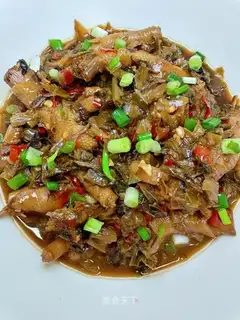
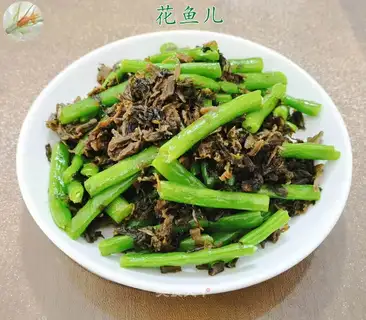
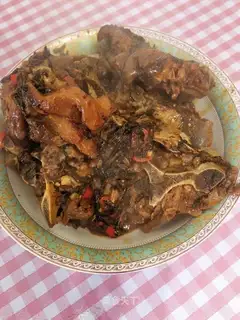
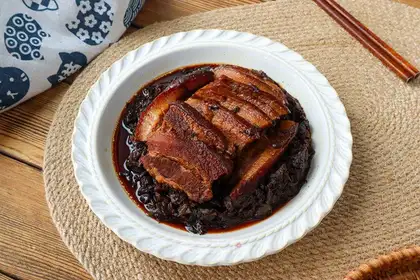
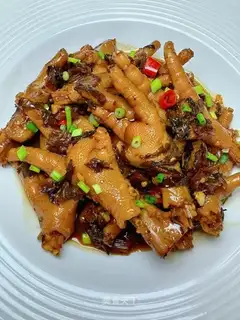
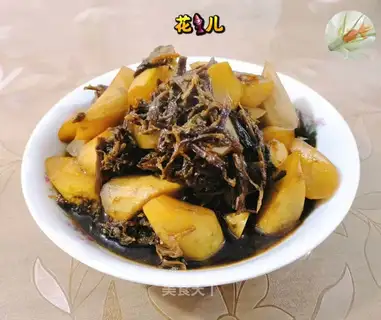
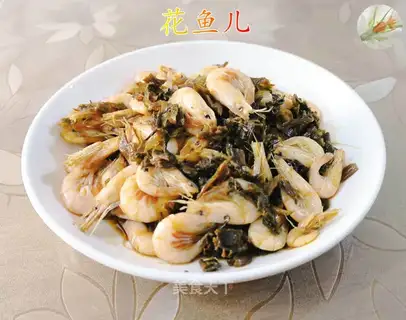
Meigan Cai, literally "plum dry vegetable," is a preserved food with a history spanning over a thousand years in Chinese cuisine. Made by fermenting and drying mustard greens, cabbage, or radish leaves, it boasts a unique umami flavor, dark color, and chewy texture. Beyond its culinary uses, Meigan Cai is celebrated for its impressive nutritional profile and health benefits. However, like all preserved foods, it requires mindful consumption to avoid potential risks. This article explores the nutritional value, health benefits, and precautions associated with Meigan Cai, offering a comprehensive guide to this traditional delicacy.
Nutritional Value of Meigan Cai
Meigan Cai’s nutritional value lies in its dense concentration of bioactive compounds, fiber, and essential minerals, developed during the fermentation process.
1. Rich in Dietary Fiber
During fermentation, the cellulose and hemicellulose in the raw vegetables break down into soluble and insoluble fiber. A 100-gram serving of Meigan Cai contains approximately 10–15 grams of fiber, meeting 30–40% of the daily recommended intake for adults. Soluble fiber aids in digestion by promoting gut bacteria growth, while insoluble fiber adds bulk to stool, preventing constipation.
2. Abundant in Vitamins and Minerals
The raw vegetables used in Meigan Cai are naturally rich in vitamins A, C, K, and B-group vitamins, some of which are retained even after fermentation. Notably, the fermentation process enhances the bioavailability of certain nutrients:
- Vitamin K: Crucial for blood clotting and bone health, Meigan Cai provides up to 300% of the daily value per 100 grams.
- Iron and Calcium: Fermentation increases the concentration of these minerals. Iron supports oxygen transport in the blood, while calcium strengthens bones and teeth.
- Antioxidants: Meigan Cai contains polyphenols and flavonoids, which combat oxidative stress and reduce inflammation.
3. Probiotics and Fermentation Byproducts
The lactic acid bacteria (LAB) involved in fermentation, such as Lactobacillus and Bifidobacterium, act as probiotics, supporting gut microbiota balance. These bacteria produce short-chain fatty acids (SCFAs) like butyrate, which nourish colon cells and enhance immune function. Additionally, fermentation breaks down anti-nutrients (e.g., phytic acid) in raw vegetables, improving mineral absorption.
Health Benefits of Meigan Cai
Regular consumption of Meigan Cai in moderation is linked to several health benefits, backed by both traditional wisdom and modern research.
1. Digestive Health Improvement
The probiotics and fiber in Meigan Cai promote a healthy digestive system. Probiotics help maintain a balanced gut microbiota, inhibiting the growth of harmful bacteria like E. coli. For individuals with lactose intolerance or irritable bowel syndrome (IBS), the SCFAs produced by LAB alleviate symptoms such as bloating and diarrhea. A 2020 study in Journal of Applied Microbiology found that fermented vegetable consumption increased gut microbial diversity, reducing the risk of digestive disorders.
2. Antioxidant and Anti-Inflammatory Effects
Meigan Cai’s high polyphenol content gives it potent antioxidant properties. These compounds neutralize free radicals, preventing cellular damage linked to chronic diseases like cancer and cardiovascular disease. Research published in Food Chemistry (2019) identified that Meigan Cai exhibited higher antioxidant activity than fresh vegetables due to enhanced polyphenol release during fermentation. Its anti-inflammatory effects may also alleviate conditions like arthritis by suppressing pro-inflammatory cytokines.
3. Cardiovascular Health Support
The fiber and bioactive compounds in Meigan Cai contribute to heart health. Soluble fiber binds to cholesterol in the digestive system, reducing its absorption and lowering LDL ("bad") cholesterol levels. Meanwhile, potassium in the vegetable helps regulate blood pressure by balancing sodium levels. A 2018 study in Hypertension Research noted that populations with high fermented vegetable intake had a 20% lower risk of hypertension compared to those with low intake.
4. Enhanced Immune Function
The gut is a key component of the immune system, and Meigan Cai’s probiotics strengthen gut barrier function, preventing pathogen invasion. LAB in Meigan Cai also stimulate the production of immunoglobulin A (IgA), an antibody that protects mucosal surfaces. During cold and flu season, incorporating Meigan Cai into the diet may reduce susceptibility to infections.
5. Weight Management Aid
Low in calories (approximately 100 kcal per 100 grams) and high in fiber, Meigan Cai promotes satiety, reducing overall calorie intake. The fiber slows gastric emptying, keeping you full longer and curbing cravings. A 2021 study in Nutrients found that high-fiber fermented foods were associated with lower body mass index (BMI) and reduced abdominal fat.
Precautions and Potential Risks
While Meigan Cai offers numerous health benefits, its high salt content and fermentation byproducts require caution, especially for certain populations.
1. High Sodium Content
The preservation process involves salting the vegetables, resulting in sodium levels as high as 5,000–10,000 mg per 100 grams—exceeding the WHO’s recommended daily limit of 2,000 mg. Excessive sodium intake can raise blood pressure and increase the risk of stroke and kidney disease. To mitigate this:
- Soak Meigan Cai in water for 30 minutes before cooking to reduce sodium by 30–50%.
- Limit consumption to 10–20 grams per day.
2. Nitrites and Carcinogen Concerns
Like other fermented foods, Meigan Cai may contain nitrites, which can convert to nitrosamines (carcinogens) under high heat or in acidic environments. However, proper fermentation and cooking minimize this risk:
- Choose traditionally fermented Meigan Cai (not chemically preserved) to ensure safe nitrite levels.
- Avoid frying at high temperatures; stir-frying with garlic or ginger can inhibit nitrosamine formation.
3. Not Suitable for Everyone
- Individuals with Hypertension or Kidney Disease: High sodium intake exacerbates these conditions.
- Pregnant Women: Excessive nitrite consumption may harm fetal development.
- Those with Gastritis or Ulcers: The high salt and acidity can irritate the stomach lining.
4. Moderation is Key
Overconsumption may lead to bloating, electrolyte imbalance, or increased gastric acid production. Balance Meigan Cai intake with fresh vegetables to ensure a diverse nutrient profile.
Conclusion
Meigan Cai is more than a flavorful ingredient; it is a nutritional powerhouse that bridges tradition and health. Its high fiber, probiotic, and antioxidant content supports digestion, immunity, and cardiovascular health, making it a valuable addition to a balanced diet. However, its high sodium and nitrite levels demand mindful consumption, particularly for vulnerable groups. By soaking before cooking, limiting portions, and pairing it with fresh produce, one can enjoy Meigan Cai’s benefits while minimizing risks. As research on fermented foods continues to evolve, Meigan Cai stands as a testament to the wisdom of ancient culinary practices, offering a delicious path to holistic well-being.