Pickles
By VicentaLakin

Pickles, which use high-intensity salt and lactate to ferment vegetables, and which improve the fermentation of vegetables, have effects such as digestive, greasy and temperate stomachs, can also be enriched by people's preference for pickled foods such as green vegetables, carrots, peppers, etc., but today they're like the one I introduced. Cabbage, we've got a whole bowl of pickles in the breakfast stand all year round, and it's not enough to feed people to adjust their tastes and increase their appetite。
- sour and salty
- pickled
- several days
- ordinary
Steps for Pickles

1
Prepare all the ingredients
2
Cyclops cut small pieces; red and green pepper slash
3
The cabbage washes clean and controls the water; salt is salted for a while。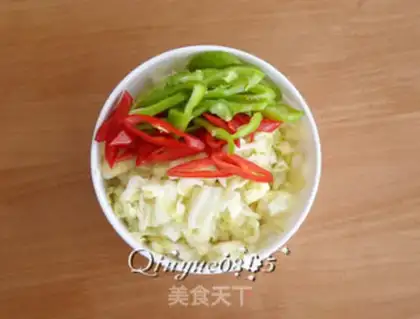
4
Put the red pepper in
5
Smuggle pickles
6
I'll pour the water out of the pickle and re-load the pretzels
7
Smuggled in porcelain or glass vessels, room temperature or freezer Production
8
It's half a month from nowPickles Make Tips
(100 degrees) pickles produce trace amounts of nitrite, but only as little, so do not eat frequently. In general, pickles of nitrate in Central Asia are most likely to occur between two and a dozen days after pickled: “Anitropoly” occurs earlier when the temperature is high and salt concentrations are low; and “Aitropo” occurs later when the temperature is low and the salinity is high. Pickles and sour vegetables usually take more than a month in the northern part of the country, and pickles and pickles in the southern region take more than 20 days. In general, nitrite levels have decreased significantly after 20 days and are safe in a month. The real threat to food security is the kind of food that is pickled for two to three days or ten days, and vegetables that are made for more than a month can be easily eaten。