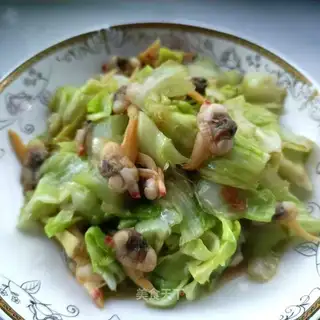
Cabbage, a humble yet versatile cruciferous vegetable, has been a dietary staple across cultures for centuries. From ancient Roman healers to modern nutritionists, this unassuming leafy green has earned its reputation as a nutritional powerhouse. Among its many varieties, green cabbage (often called "round cabbage" or "white cabbage") is the most widely consumed, recognized for its crisp texture, mild flavor, and impressive health benefits. This article explores the nutritional profile of cabbage, its scientifically supported health benefits, potential risks, and practical tips for incorporating it into a balanced diet.
I. Nutritional Profile: Why Cabbage is a Nutrient-Dense Superfood
Cabbage belongs to the Brassicaceae family, which also includes broccoli, kale, and Brussels sprouts. Its low calorie count—just 22 calories per 100 grams—makes it an ideal choice for weight management, while its rich nutrient composition packs a significant punch.
1. Vitamins and Minerals
Cabbage is a rich source of essential vitamins, particularly Vitamin K, which plays a critical role in blood clotting and bone health. A single cup (89 grams) of chopped cabbage provides over 85% of the daily recommended intake (DRI) of Vitamin K. It is also an excellent source of Vitamin C, a powerful antioxidant that supports immune function, skin health, and collagen synthesis. One cup of cabbage contains about 53% of the DRI for Vitamin C, surpassing that of many fruits.
Additionally, cabbage is a good source of Vitamin B6 (important for metabolism and brain function), folate (crucial for cell growth and pregnancy), and potassium (which regulates blood pressure and fluid balance). It also contains trace amounts of iron, calcium, and magnesium, contributing to overall mineral intake.
2. Fiber and Antioxidants
With 2.2 grams of fiber per cup, cabbage supports digestive health by promoting regularity and feeding beneficial gut bacteria. The vegetable is also loaded with antioxidants, including flavonoids (such as quercetin and kaempferol) and polyphenols, which combat oxidative stress and reduce inflammation. Notably, cabbage contains sinigrin, a glucosinolate compound that breaks down into beneficial compounds like isothiocyanates when chewed or cooked, which have been studied for their anti-cancer properties.
3. Low in Fat and Sodium
Cabbage is naturally low in fat (0.1 grams per 100 grams) and sodium (6 milligrams per 100 grams), making it a heart-healthy choice. Its high water content (over 90%) also helps with hydration, making it a refreshing option in warm weather.
II. Health Benefits: Backed by Science
The nutrients in cabbage contribute to a range of health benefits, from disease prevention to digestive support.
1. Supports Digestive Health
Cabbage’s fiber content is key to maintaining a healthy digestive system. Insoluble fiber adds bulk to stool, preventing constipation, while soluble fiber acts as a prebiotic, feeding beneficial gut bacteria like Lactobacillus and Bifidobacterium. These bacteria support gut barrier function, reduce inflammation, and may even alleviate conditions like irritable bowel syndrome (IBS).
Moreover, cabbage’s sulfur-containing compounds (such as sulforaphane) have been shown to protect the stomach lining by inhibiting the growth of Helicobacter pylori, a bacterium linked to ulcers and stomach cancer. Studies suggest that regular cabbage consumption may reduce the risk of gastric ulcers and improve symptoms of acid reflux.
2. Boosts Immune Function
The high Vitamin C content in cabbage makes it a natural immune booster. Vitamin C stimulates the production of white blood cells, which are essential for fighting infections, and enhances the function of natural killer cells (a type of immune cell that targets viruses and cancer cells). Additionally, the antioxidant properties of cabbage protect immune cells from damage caused by free radicals, ensuring optimal immune response.
3. Promotes Heart Health
Cabbage’s combination of fiber, potassium, and antioxidants makes it a heart-healthy food. Fiber helps lower LDL ("bad") cholesterol by binding to it in the digestive system and removing it from the body. Potassium counteracts the effects of sodium, relaxing blood vessels and reducing blood pressure—key factors in preventing hypertension and stroke.
Flavonoids like quercetin in cabbage also reduce inflammation in the arteries, improving blood flow and reducing the risk of atherosclerosis (hardening of the arteries). A study published in the British Journal of Nutrition found that regular consumption of cruciferous vegetables like cabbage was associated with a 15% lower risk of heart disease.
4. May Reduce Cancer Risk
Cruciferous vegetables are renowned for their anti-cancer properties, largely due to glucosinolates like sinigrin and sulforaphane. These compounds are converted into bioactive molecules (e.g., isothiocyanates) that have been shown to:
- Inhibit the growth of cancer cells by blocking cell proliferation.
- Induce apoptosis (programmed cell death) in cancerous cells.
- Detoxify carcinogens (cancer-causing substances) before they can damage DNA.
Research suggests that cabbage consumption may reduce the risk of several cancers, including colorectal, breast, and lung cancer. A meta-analysis in C Epidemiology, Biomarkers & Prevention found that people who ate the most cruciferous vegetables had a 15% lower risk of colorectal cancer than those who ate the least.
5. Aids in Weight Management
Cabbage’s low calorie, high fiber, and high water content make it an excellent food for weight loss. Fiber promotes satiety, reducing overall calorie intake, while its hydrating properties help control appetite. Additionally, cabbage is a low-energy-density food (meaning it provides few calories for a large volume), allowing individuals to eat larger portions without exceeding their calorie goals.
6. Supports Skin and Bone Health
Vitamin C in cabbage is essential for collagen production, a protein that keeps skin firm, elastic, and youthful. It also protects the skin from UV damage and pollution by neutralizing free radicals. For bone health, cabbage’s Vitamin K content works in tandem with calcium to maintain bone density and reduce the risk of osteoporosis. A study in Osteoporosis International found that low Vitamin K intake was associated with a higher risk of fractures in older adults.
III. Potential Risks and Precautions
While cabbage is highly nutritious, certain groups should consume it in moderation or with caution.
1. Goiter Risk (Thyroid Dysfunction)
Cabbage contains goitrogens, compounds that can interfere with thyroid function by inhibiting the uptake of iodine, a mineral essential for thyroid hormone production. While cooking significantly reduces goitrogen levels, individuals with thyroid disorders (e.g., hypothyroidism) should limit raw cabbage consumption and ensure adequate iodine intake (e.g., through iodized salt or seafood).
2. Digestive Discomfort
Cabbage’s high fiber and FODMAP (fermentable oligosaccharides, disaccharides, monosaccharides, and polyols) content may cause bloating, gas, or diarrhea in sensitive individuals, especially when consumed raw. Cooking cabbage can break down some fibers and FODMAPs, making it easier to digest.
3. Blood Thinning Effects
Cabbage’s high Vitamin K content can interact with blood-thinning medications (e.g., warfarin), as Vitamin K promotes blood clotting. Individuals taking such medications should maintain consistent Vitamin K intake and consult their doctor before making significant dietary changes.
4. Pesticide Residues
Like many vegetables, cabbage may contain pesticide residues if not grown organically. To minimize exposure, wash cabbage thoroughly under running water or opt for organic varieties.
IV. How to Incorporate Cabbage into Your Diet
Cabbage’s versatility makes it easy to include in meals. Here are some practical tips:
- Raw: Add shredded cabbage to salads, slaws, or sandwiches for a crunchy texture.
- Cooked: Sauté cabbage with garlic and olive oil, stir-fry it with other vegetables, or add it to soups and stews.
- Fermented: Make sauerkraut or kimchi (fermented cabbage) to boost probiotic content, which supports gut health.
- Juiced: Blend cabbage with other fruits and vegetables for a nutrient-dense juice.
V. Conclusion
Cabbage is a nutritional giant that offers a wide range of health benefits, from supporting digestion and immunity to reducing cancer and heart disease risk. Its low calorie, high fiber, and rich antioxidant profile make it an ideal addition to a balanced diet. While precautions are necessary for individuals with thyroid issues or those on blood-thinning medications, most people can safely enjoy cabbage as part of a healthy lifestyle. Whether raw, cooked, or fermented, this humble vegetable is a testament to the idea that the most nutritious foods are often the most unassuming. By incorporating cabbage into your meals, you can harness its power to promote overall health and well-being.