Hong Kong-style rat qu cakes also come from the Chaoshan area. They are all cakes, but their tastes and methods are different. They are all dim sum foods. This is also one of the Chaoshan delicacies that have to be mentioned. It continues to flourish in Hong Kong and is a food that many Hong Kong people like to eat. One of the delicacies.
The most taboo thing in making cakes is to confuse the recipes of each different cake, because although their names all have the word "cake", they are actually not the same thing at all.
The outer skin is soft and waxy, but the teeth are springy, and the filling has a strong aroma.
Hong Kong-style mouse qu guo
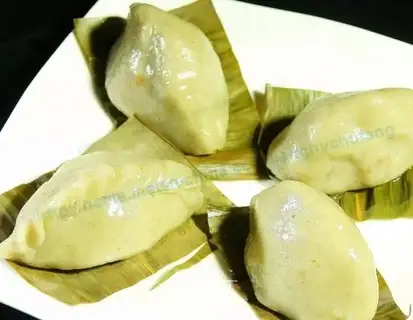
Recipe Recommendations
- glutinous rice flour 300g
- rice noodle 20g
- red onion appropriate amount
- lard appropriate amount
- shrimp 10g
- water 100g
- salt appropriate amount
- soy appropriate amount
Steps for Hong Kong-style mouse qu guo
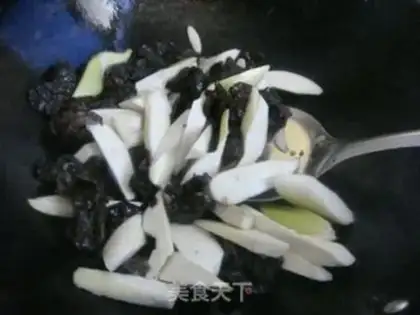
1
Put the lard into the pan and melt it over low heat (never over high heat).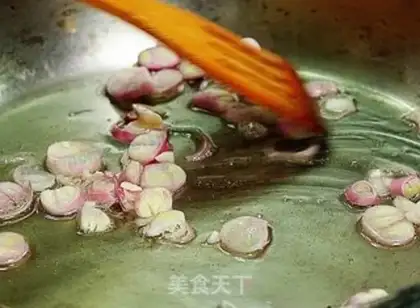
2
Stir fry the red onions over low heat to force out the aroma of the fresh red onions.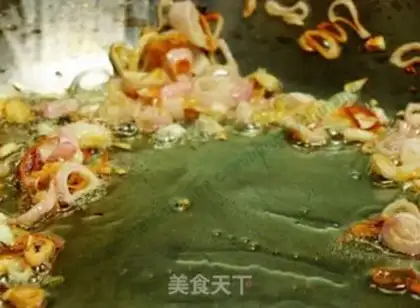
3
Stir fry the red shallots until slightly yellow and fully release the aroma.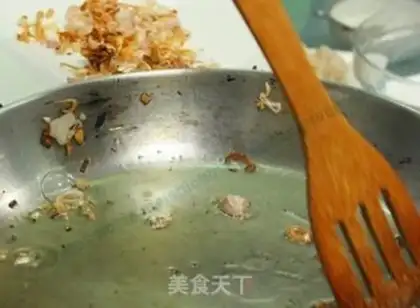
4
Pick up the red shallots (I must repeat it here, this is not fried red shallots, fried red shallots must be cut into thin pieces and then deep fried)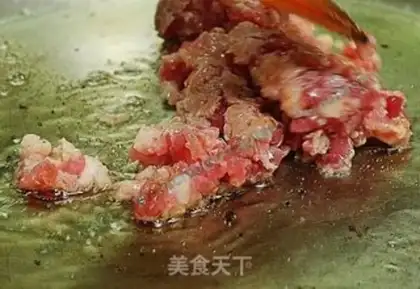
5
Put the minced pork into the oil from the stir-fried red onions just now.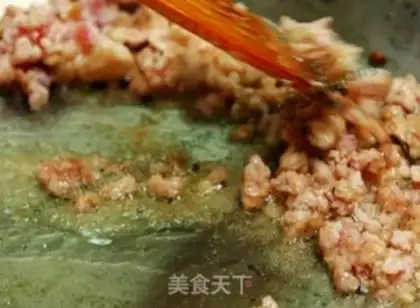
6
Stir quickly over low heat until it is evenly stained with the oil.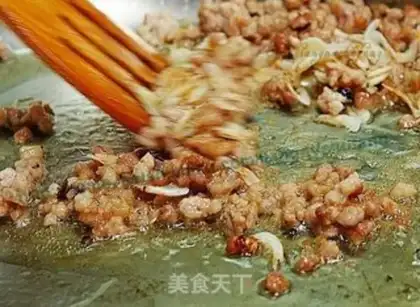
7
Add dried shrimps (the very small dried shrimps have a little salty taste and are almost white instead of red. There are no need for large dried shrimps. There are also many types of dried shrimps)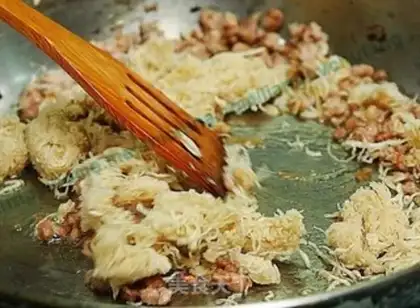
8
The dried shrimps change color slightly, add marinated shredded white radish and mix dry.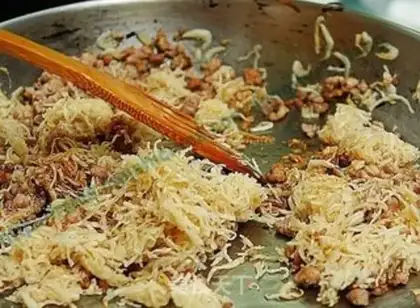
9
Add appropriate amount of soy sauce, salt, white pepper, sugar and stir well.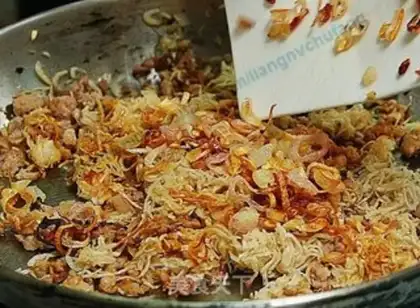
10
After the sugar is melted, add the red onions that have just been stir-fried.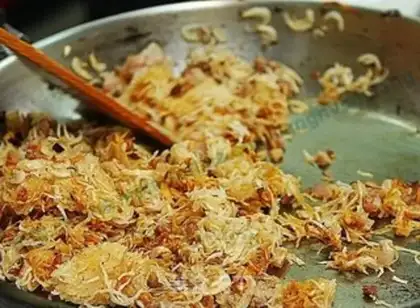
11
The red shallots should be thoroughly mixed with other ingredients, and the whole pan should look the same color.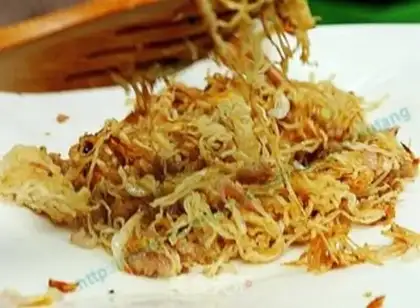
12
Remove from the pan and let it cool for later use. This is the filling.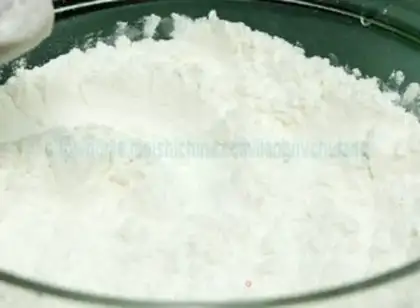
13
Make the skin next and sift the glutinous rice flour several times.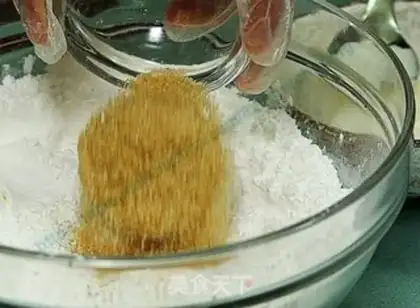
14
Add coarse sugar and mix well. (The first sugar produced by coarse granulated sugar is brownish in color. It is different from white sugar. It has higher nutritional value than white sugar and tastes sweeter than white sugar. You can distinguish the taste by trying it separately, but remember to drink water after tasting the first one. Rinse your mouth and try another one.)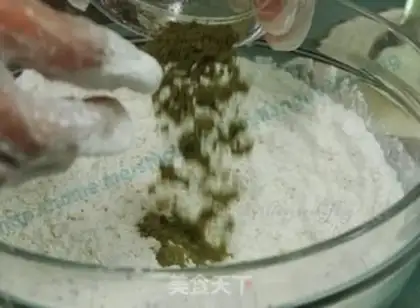
15
Add Gaps powder and mix well. (You can also use natural Gomhalia chinensis to juice and pour the residue and juice together and stir well)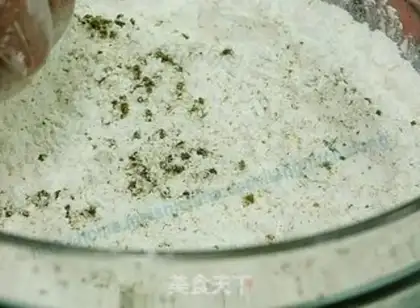
16
Add rice flour and salt and stir well (adding rice flour, salt and sugar not only enhance the flavor, but also increase the taste of the skin. It will make the skin more elastic and will not crack, so it must not be omitted)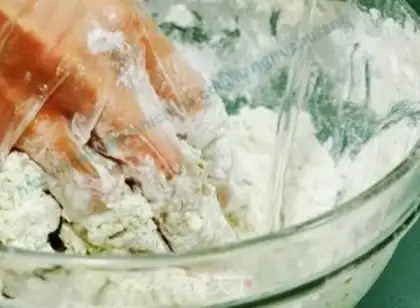
17
Mix the powder well first, then add water to knead (circle it with your hands when adding water, stir the dry powder well before adding water).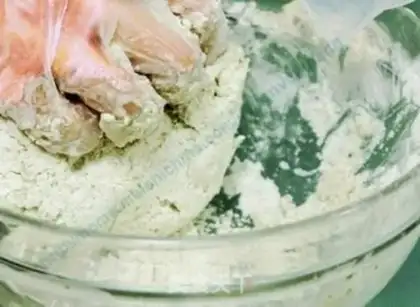
18
Don't add too much water at once, add it slowly in several times, add it while kneading until it is completely kneaded.
19
Rub until it is as smooth as when kneading dough to make soup balls.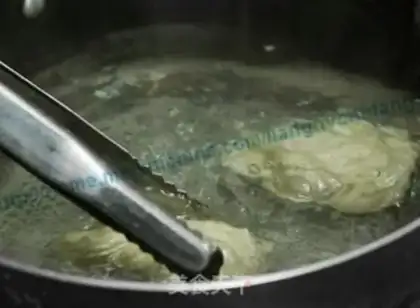
20
The key step is to take two balls of dough and place them in boiling water. Make sure they are boiling water (it must be boiling water, not cold or warm water).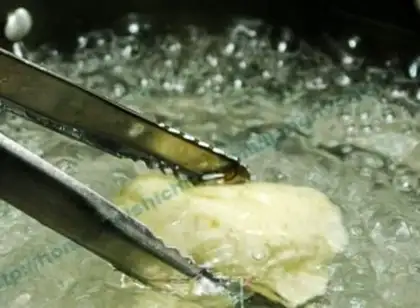
21
Cook until it changes color and floats, and keep on high heat during this period. Be careful not to let it stick to the bottom. It is best to use a non-stick pan.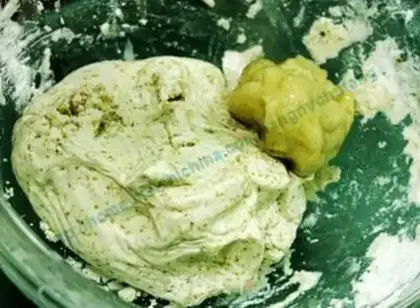
22
Put the cooked dough into the dough you just kneaded.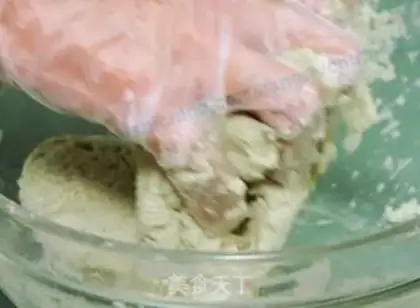
23
Wrap the cooked dough with dough and start kneading.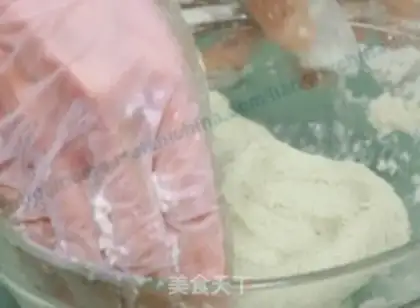
24
Knead first by folding. Isn't it the cooked dough at the innermost part? First flatten the whole dough, then keep folding and flattening, then fold it again, and repeatedly make the raw and cooked dough fully knead evenly.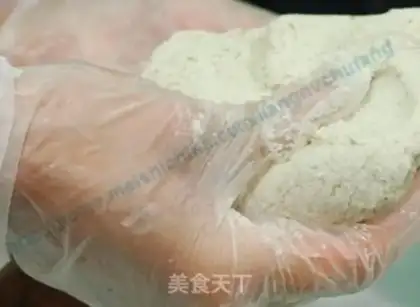
25
Then keep squeezing the dough as far as possible to the middle as possible to make it elastic. Just make the dough elastic.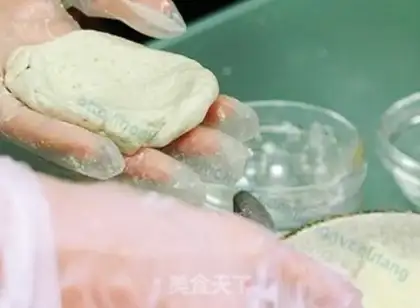
26
Take a small piece of dough and flatten it by hand to make a skin. Never use a rolling machine or a rolling stick to press it until it is hard and has a bad taste.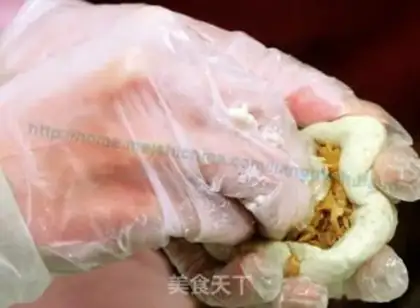
27
Put appropriate amount of the fillings that have just been fried in the middle, then pinch the sides and wrap them.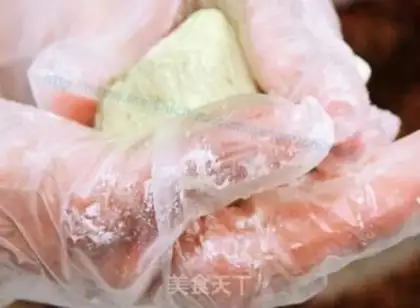
28
Use your household registration to press out the tip.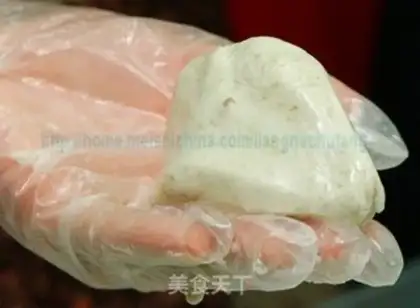
29
This is an authentic style, but you can wrap it into any shape you like at home.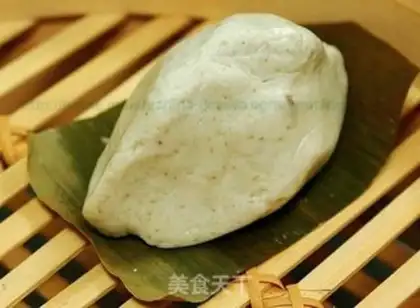
30
Brush oil on the zongzi leaves, place them on the zongzi leaves and place them in bamboo steamers (different steamers are needed to steam different foods. Bamboo and stainless steel steamers are subject to different temperatures, so it is best to use them separately to make the food will be perfect).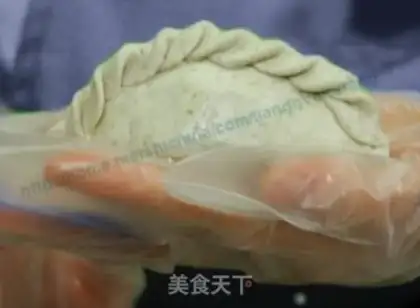
31
It can also be used to knead dumplings, but be careful not to knead them into a completely flat shape. There must be a bottom to ensure that they can stand on the leaves.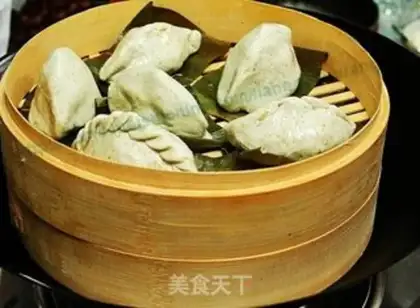
32
Put the steamer into the pan. It should be explained here that there must be gaps so that each piece has enough steam to completely surround it. Don't put it very close.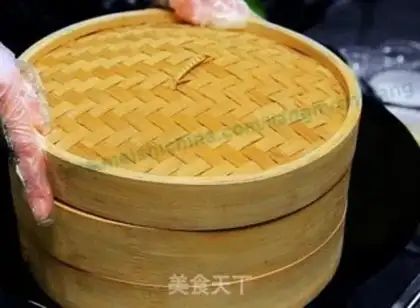
33
Cover and steam over medium heat for 20 minutes. Serve.Hong Kong-style mouse qu guo Make Tips
1 The step of cooking dough cannot be replaced by ironing. It is completely different. 2 Each step has its purpose. According to the teacher, you cannot be lazy and omitted any step. 3 Rat yeast powder can be purchased at the dry goods market.