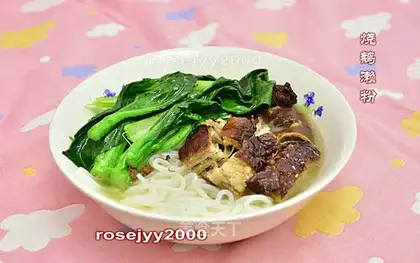
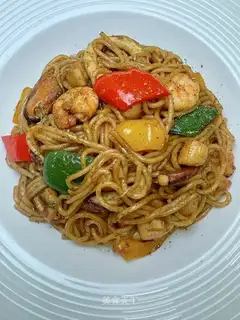
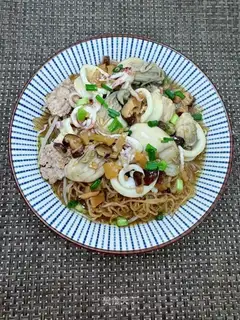
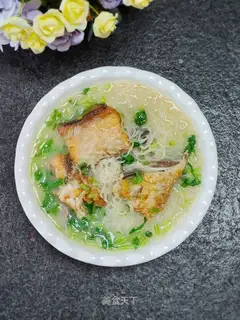
Rice noodles, a staple in Asian cuisines for centuries, have transcended cultural boundaries to become a global favorite. Derived from finely ground rice flour, these versatile strands are celebrated for their delicate texture, neutral flavor, and adaptability in dishes—from steaming bowls of Pho in Vietnam to spicy stir-fries in Thailand and comforting hot pot broths in China. Beyond their culinary appeal, rice noodles offer a range of nutritional benefits, but like any food, they must be consumed mindfully to maximize their advantages and avoid potential drawbacks. This article explores the nutritional profile of rice noodles, their health benefits, and important considerations for safe consumption.
Nutritional Value of Rice Noodles
Rice noodles are primarily composed of carbohydrates, making them a rich energy source. However, their nutritional profile varies based on the type of rice used (white vs. brown), processing methods, and additional ingredients. Here’s a detailed breakdown:
1. Carbohydrates
The primary component of rice noodles is carbohydrates, which account for approximately 80–90% of their dry weight. These carbs are mostly complex carbohydrates, particularly starch, which provides a steady release of energy. Unlike simple sugars, complex carbohydrates help maintain stable blood sugar levels, making rice noodles a suitable choice for sustained energy throughout the day. For example, a 100-gram serving of cooked white rice noodles contains about 44 grams of carbohydrates, while brown rice noodles—made from whole-grain rice—offer slightly more (around 46 grams) due to their higher fiber content.
2. Low in Fat and Protein
Rice noodles are naturally low in fat, containing less than 1 gram per 100-gram serving, making them a heart-healthy option for those monitoring fat intake. However, they are also low in protein, with only 2–3 grams per serving. This makes them less ideal as a standalone protein source. To balance this, rice noodles are often paired with protein-rich ingredients such as tofu, chicken, shrimp, or legumes in complete meals.
3. Fiber Content
The fiber content in rice noodles depends on whether they are made from white or brown rice. White rice noodles, derived from refined rice grains, are stripped of the bran and germ, resulting in minimal fiber (less than 1 gram per 100 grams). In contrast, brown rice noodles retain the whole grain, providing 2–3 grams of fiber per serving. Fiber aids digestion, promotes satiety, and supports gut health by feeding beneficial gut bacteria. For individuals seeking to increase fiber intake, brown rice noodles are the superior choice.
4. Vitamins and Minerals
Rice noodles contain small amounts of essential vitamins and minerals, though their levels are modest compared to whole grains or vegetables. White rice noodles are fortified with some B vitamins (e.g., thiamine and niacin) in some regions, which play roles in energy metabolism. Brown rice noodles offer slightly higher levels of magnesium, phosphorus, and manganese—minerals important for bone health, enzyme function, and antioxidant defense. However, neither type is a significant source of iron or calcium, which must be obtained from other dietary sources.
5. Gluten-Free Nature
One of the most notable nutritional advantages of rice noodles is their gluten-free composition. They are made from rice flour, not wheat, making them safe for individuals with celiac disease or gluten sensitivity. This has contributed to their popularity in gluten-free diets, though it is important to ensure cross-contamination with gluten-containing grains does not occur during processing.
Health Benefits of Rice Noodles
Incorporating rice noodles into a balanced diet can offer several health benefits, primarily due to their energy-providing, easy-to-digest, and gluten-free properties.
1. Sustained Energy Release
The complex carbohydrates in rice noodles are digested slowly, providing a gradual release of glucose into the bloodstream. This helps maintain stable blood sugar levels, preventing the energy crashes associated with simple sugar consumption. For athletes, busy professionals, or anyone needing long-lasting energy, rice noodles are a practical alternative to refined grains like white bread.
2. Easy on the Digestive System
Rice noodles are low in fiber (especially white rice noodles) and contain no gluten, making them gentle on the digestive tract. This makes them a suitable choice for individuals with digestive issues such as irritable bowel syndrome (IBS), gluten intolerance, or temporary loss of appetite (e.g., during illness). In many Asian cultures, rice noodle soups are considered "comfort food" for restoring strength and aiding recovery.
3. Weight Management Support
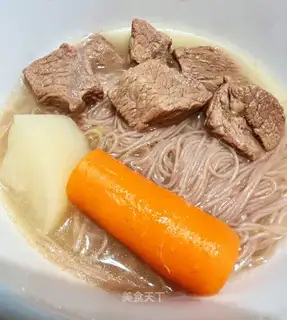
When paired with protein, vegetables, and healthy fats, rice noodles can support weight management. Their low calorie density (a 100-gram serving of cooked rice noodles contains about 130–150 calories) and ability to promote satiety help control overall calorie intake. For example, a dish like Vietnamese Pho—featuring rice noodles, lean beef, bean sprouts, and herbs—provides a filling, nutrient-dense meal without excessive calories.
4. Gluten-Free Alternative for Celiac Patients
For individuals with celiac disease, non-celiac gluten sensitivity, or wheat allergy, rice noodles offer a safe and versatile alternative to wheat-based pasta or noodles. They can be used in a variety of dishes, from Italian-inspired "rice pasta" with tomato sauce to Asian stir-fries, without triggering adverse reactions.
5. Low in Allergens
Unlike wheat, soy, or nuts, rice is a low-allergen food, making rice noodles suitable for people with multiple food allergies. However, cross-contamination is a risk in facilities that process other allergens, so consumers with severe allergies should opt for certified gluten-free or allergen-free brands.
Precautions and Potential Drawbacks
While rice noodles are generally safe and nutritious, there are several considerations to keep in mind to avoid health risks.
1. Low Protein and Nutrient Density
As mentioned earlier, rice noodles are low in protein and essential nutrients like iron, calcium, and vitamin B12. Relying heavily on rice noodles as a staple food can lead to nutritional deficiencies, particularly in vegetarian or vegan diets where plant-based protein sources are critical. To mitigate this, combine rice noodles with protein-rich foods (e.g., lentils, chickpeas, eggs, or lean meat) and a variety of colorful vegetables to boost nutrient intake.
2. High Glycemic Index (GI) for White Rice Noodles
White rice noodles have a high glycemic index (GI), meaning they can cause a rapid spike in blood sugar levels when consumed in large quantities. This is concerning for individuals with diabetes, insulin resistance, or those trying to manage blood sugar. Brown rice noodles, with their higher fiber content, have a lower GI and are a better choice for blood sugar control. Portion control is also key—limiting serving sizes to 1–2 cups (cooked) can help minimize blood sugar fluctuations.
3. Sodium Content in Prepared or Packaged Noodles
Store-bought or restaurant-prepared rice noodle dishes often contain high levels of sodium due to added sauces, broths, or seasonings. Excessive sodium intake is linked to high blood pressure and an increased risk of heart disease. To reduce sodium, opt for homemade rice noodle dishes using low-sodium broths and limit the use of soy sauce, fish sauce, or processed condiments. Fresh herbs, spices, and citrus juices can add flavor without the sodium.
4. Risk of Heavy Metal Contamination
In regions where rice is grown in contaminated soil (e.g., areas with high arsenic levels), rice noodles may contain trace amounts of heavy metals like arsenic. While occasional consumption is unlikely to pose a risk, long-term intake of contaminated rice products can accumulate in the body and cause health issues. To minimize exposure, choose rice noodles from reputable brands that source rice from low-arsenic regions and vary grain types (e.g., mixing rice with other gluten-free grains like buckwheat or quinoa).
5. Caloric Density of Fried Rice Noodles
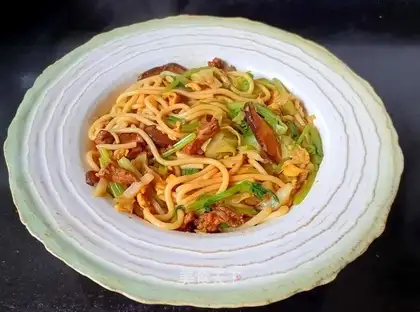
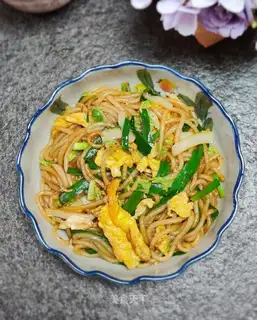
While plain rice noodles are low in calories, fried rice noodle dishes (e.g., pad thai or chow mein) often absorb large amounts of oil during cooking, significantly increasing their calorie and fat content. A serving of fried rice noodles can contain 300–500 calories or more, compared to 150–200 calories for boiled rice noodles. For weight management, opt for steamed, boiled, or stir-fried (with minimal oil) preparations instead of deep-fried versions.
Conclusion
Rice noodles are a versatile, gluten-free, and energy-rich food that can be a valuable part of a balanced diet. Their low fat content, ease of digestion, and adaptability make them suitable for people with various dietary needs, including those with gluten sensitivities or digestive issues. However, their low protein and nutrient density, high GI (for white rice noodles), and potential for sodium or heavy metal contamination require mindful consumption.
To maximize their benefits, pair rice noodles with protein, vegetables, and healthy fats, choose brown rice varieties for higher fiber, and limit portion sizes to control blood sugar and calories. When prepared thoughtfully, rice noodles can serve as a delicious and nutritious foundation for meals that support overall health and well-being. As with any food, moderation and diversity are key to enjoying rice noodles as part of a sustainable and healthy diet.