Ginkgo is a nutritious high-level tonic, containing crude protein, crude fat, reducing sugar, nuclear protein, minerals, crude fiber and multiple vitamins. According to scientific conclusions, every 100g of fresh ginkgo contains 13.2 g of protein, 72.6 g of carbohydrates, and 1.3 g of fat. It also contains vitamin C, riboflavin, carotene, and calcium, phosphorus, iron, selenium, potassium, magnesium and other trace elements, 8 kinds of amino acids, have high edible value, medicinal value, and health care value, and have magical effects on human health.
Ginkgo nuts contain a variety of nutritional elements. In addition to starch, protein, fat, and sugar, they also contain vitamin c, trace elements such as riboflavin, carotene, calcium, phosphorus, iron, potassium, and magnesium, as well as ginkgolic acid, ginkgolol, five-carbon polysaccharides, liposterols and other ingredients. It has therapeutic effects and medical effects such as replenishing lung qi, treating asthma, stopping insects, shrinking feces, smoothing chapped wrinkles, protecting blood vessels, and increasing blood flow. According to modern medical research, ginkgo biloba also has the effects of smoothing blood vessels, improving brain function, delaying brain aging in the elderly, enhancing memory ability, treating Alzheimer's disease and cerebral blood supply insufficiency. Ginkgo biloba has anti-aging capabilities. Science has a great influence in Germany and France. In addition, ginkgo can also protect the liver, reduce arrhythmia, prevent fatal bronchoconstriction in allergic reactions, and can also be used to deal with asthma, transplant rejection, myocardial infarction, stroke, organ protection and dialysis.
Regular consumption of ginkgo can nourish yin, beautify skin and resist aging, dilate capillaries, promote blood circulation, make people's skin and face rosy, rejuvenate their spirits, and prolong life. It is a health food suitable for all ages and a special dish for guests and guests. The flavonoid glycosides and bitter lactone in the seed kernel also have special preventive and therapeutic effects on diseases such as cerebral thrombosis, Alzheimer's disease, hypertension, hyperlipidemia, coronary heart disease, arteriosclerosis, and cerebral dysfunction.
Excessive raw or stir-fried food can cause poisoning, and poisoning is particularly common in children by mistake.
Ginkgo egg custard
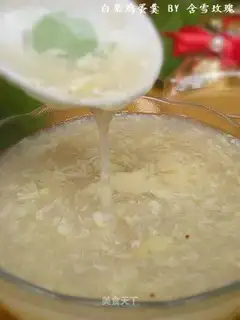
Recipe Recommendations
- baiguo appropriate amount
- lotus root starch a bag
- eggs one
- sweetening
- cook
- ten minutes
- simple
Steps for Ginkgo egg custard
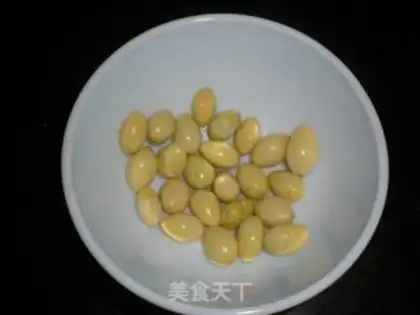
1
Remove the shells and skin the ginkgo seeds, and wash them.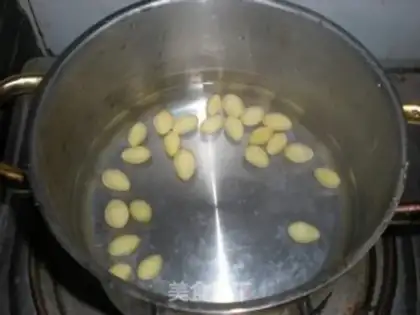
2
Pour the ginkgo into the pan, add two bowls of water, bring to a boil over high heat and reduce the heat.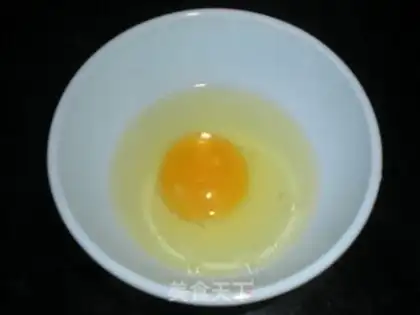
3
While stewing ginkgo, knock an egg into a bowl and beat it up.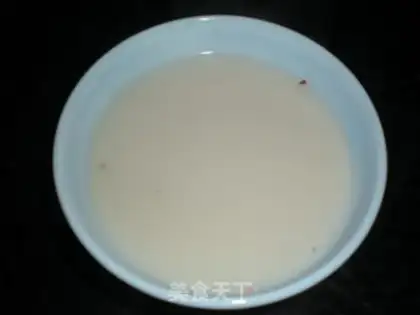
4
Mix lotus root starch well with warm water.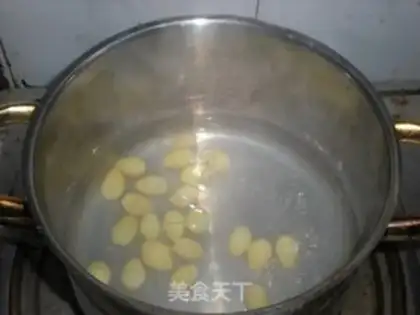
5
Simmer ginkgo seeds for about 15 minutes until tender.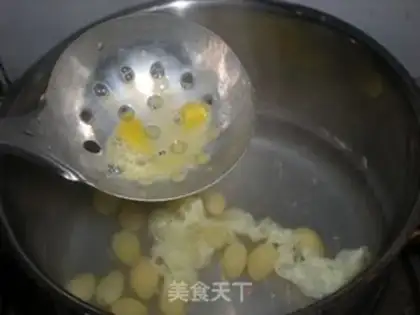
6
Use a spoon to pour the eggs into the pan one by one.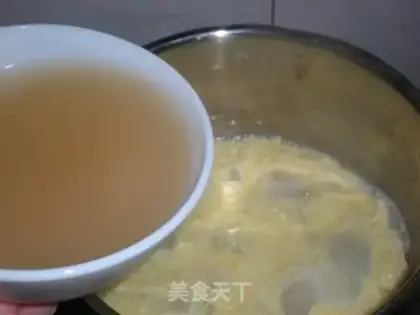
7
After the frangipani is formed, pour in the lotus root starch.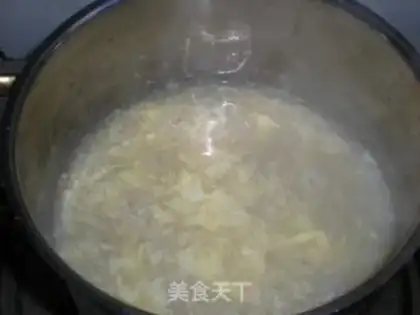
8
Stir while cooking, cook until boiling and the color is transparent.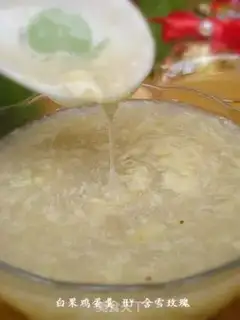
9
The fragrant glutinous and smooth ginkgo egg custard is ready. Lotus root starch is sweet, so there is no need to add additional sugar. I especially like to eat sweet ones, and you can add sugar according to your own taste.