nutritional value
lotus root
1. Clearing heat and cooling blood: Lotus root is cold in nature and has the effect of clearing heat and cooling blood, and can be used to treat heat diseases; lotus root is sweet and liquid, and is especially beneficial to people with fever, thirst, epistaxis, hemoptysis, and bleeding.
2. Relieving diarrhea, strengthening spleen and appetizing: Lotus root contains mucus protein and dietary fiber, which can combine with cholates in the human body, cholesterol and triglycerides in food, causing them to be excreted from feces, thereby reducing lipid absorption. Lotus root exudes a unique fragrance and also contains tannin, which has a certain effect of strengthening the spleen and diarrhea. It can enhance appetite, promote digestion, appetizing and healthy middle, and is beneficial to people with poor appetite and loss of appetite to restore health.
3. Benefiting blood and promoting muscles: Lotus root has a high nutritional value. It is rich in trace elements such as iron and calcium. It is also rich in plant protein, vitamins and starch. It has obvious effects in replenishing qi and blood and enhancing human immunity. Therefore, traditional Chinese medicine calls it: "The main thing is to nourish the middle and nourish the body and increase the strength."
4. Stop bleeding and dissipate blood stasis: Lotus root contains a large amount of tannic acid, which has the effect of contracting blood vessels and can be used to stop bleeding. Lotus root can also cool blood and disperse blood. Traditional Chinese medicine believes that it stops bleeding without leaving blood stasis and is a good food therapy for febrile diseases.
applicable population
Can be eaten by the general population
1. It is especially suitable for the elderly, women, children, and people with frail diseases. It is especially suitable for patients with high fever, people with hematemesis, high blood pressure, liver disease, loss of appetite, iron deficiency anemia, and malnutrition;
2. Lotus roots are cold in nature and should not be eaten too early by pregnant women; lotus roots are cold in nature and are crisp and refreshing when eaten raw, but it affects the spleen and stomach. People with low digestive function of the spleen and stomach and loose stools should not be eaten raw;
3. Lotus root decoction is taken orally to smooth the qi and relax the middle. Stir-fried charcoal can stop bleeding and dissipate blood stasis, and is used for various bleeding diseases. Generally, eating lotus root 1 to 2 weeks after childbirth can gradually relieve the symptoms.
Dosage and Administration
1. Lotus root can be eaten raw, cooked, mashed with juice, or dried and ground to make porridge.
2. When eating lotus roots, you should choose ones with a yellow-brown skin and thick and white meat. If it is dark and has a peculiar smell, it should not be eaten.
3. Raw lotus root cooked food is suitable for frying, stewing, frying and making ingredients for dishes, such as "Eight Treasures Stuffed Lotus Root","Fried Lotus Root Box", etc.
4. Avoid using iron when cooking lotus root to avoid causing the food to turn black.
5. Uncut lotus roots can be placed at room temperature for a week. However, because lotus roots easily turn black and the cut parts are easy to rot, the cut lotus roots should be covered with plastic wrap on the incision and refrigerated for a week.
Efficacy and role:
Raw lotus root is sweet and cold in nature, and enters the heart, spleen and stomach meridians;
It has the effects of clearing heat, promoting saliva, cooling blood, dispelling blood stasis, replenishing spleen, appetizing appetite, and stopping diarrhea;
Indications for fever and polydipsia, hematemesis, epistaxis, and heat stranguria.
Ripe lotus root is warm in nature and sweet in taste;
It has the effects of nourishing the stomach and strengthening the spleen, nourishing the blood, nourishing the muscles, and stopping diarrhea;
Indications for lung heat cough, irritability and thirst, diarrhea due to spleen deficiency, loss of appetite and various blood syndromes.
[Sex] Sweet; Cold
[Meridian Returning] Heart; Spleen; Stomach; Liver; Lung Meridian
[Function Indications] Clear heat and promote fluid production; cool blood; dissipate blood stasis; stop bleeding. Main fever, polydipsia; vomiting and bleeding
Pearl lotus green lotus

Recipe Recommendations
- lotus root one
- pork belly moderate
- eggs one
- corn starch moderate
- pea moderate
- carrots moderate
- salt two spoonfuls
- chicken essence a spoonful
- cooking wine a spoonful
- ketchup moderate
- rock sugar a small handful
- oyster sauce a small spoon
- salty and sweet
- burn
- half an hour
- ordinary
Steps for Pearl lotus green lotus
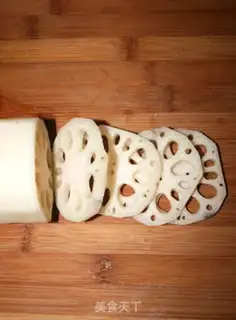
1
Slice lotus root.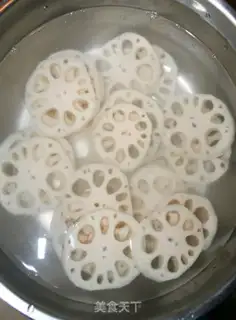
2
Cut it and shine it with boiling water.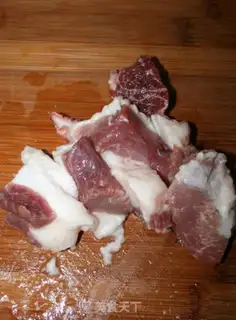
3
Wash the pork belly, cut into slices and fillings.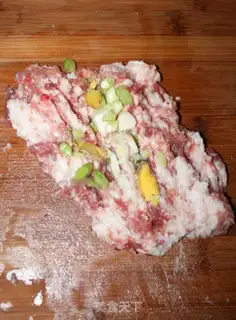
4
The onions, ginger and meat make a filling together.
5
Chop the meat filling and add chicken essence, salty salt, cooking wine, one egg, one spoonful of starch each, and twenty-three incense spices.
6
Mix well and set aside.
7
Add the meat filling between the two lotus roots and add peas in the air.
8
Wrap in starch and start frying until golden brown and leave the pan.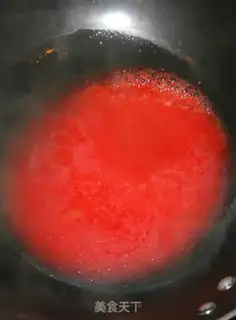
9
Boil ketchup, add ketchup when the water is boiled, add rock sugar and oyster sauce, and add a little vinegar.
10
Add peas and thicken with wet starch.
11
Pour the juice on the fried lotus root, sprinkle with white sesame seeds, and chopped carrots.
12
look inside
13
The finished product picture is really delicious. Give it a try.Pearl lotus green lotus Make Tips
Add some flour to the lotus root with the meat filling, so that it will not be easy to separate