Hotpot boiled mutton
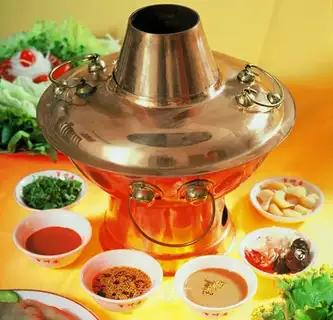
Ingredients: soy sauce,fans,cabbage,coriander,leek flower,cooking wine,green onions,sesame paste,chili oil,white SUFU
Recipe Recommendations
- cabbage 150 grams
- fans 150 grams
- leek flower 30 grams
- white SUFU 50 grams
- sesame paste 150 grams
- cooking wine 30 grams
- soy sauce 30 grams
- chili oil 30 grams
- coriander 30 grams
- green onions 30 grams
Steps for Hotpot boiled mutton
1
Use cold boiled water to make a thin paste, mash the soy tofu pieces, use cold boiled water to make a thin paste, and place them in small bowls.2
Cut the cabbage into pieces and place on a large plate. Place the mutton slices and water vermicelli in separate plates, and place other seasonings in small bowls.3
Place mutton slices, cabbage, water-dried vermicelli and various seasonings on the table.4
Give each guest a dish or small bowl. Mix sesame paste, soy tofu, pickled leek flowers, soy sauce, etc. in a small bowl to use them as basic seasonings. Other seasonings can be added according to the guest's preferences.5
Add water to the hot pot, heat it well, and place it on the mat, trying to keep the fire strong and under human control.6
After the water boils, guests can use their own chopsticks to pick up the mutton slices (not too much at a time, so that the water cannot boil for a while, which will make the mutton cooked for too long and get old). Put in the boiling water, shake the slices, and when the slices turn white, you can use chopsticks to put them into your own bowl to mix with seasonings, and eat them with sugar and garlic. Keep adding mutton slices into the hot pot and constantly picking them out to eat to keep the soup boiling. Pay attention to adding boiling water to the pan during dinner to replenish water consumption.7
After the pork slices are boiled, if guests want to eat cabbage or vermicelli, they can put them into the pot and eat them as soup. Pay attention to the heat and not cook them too badly.Hotpot boiled mutton Make Tips
1. The main ingredient of this dish is lamb, a traditional warming tonic food.
2. Compared to pork, lamb contains less fat and more protein, making it an excellent choice for winter nourishment.
3. According to Traditional Chinese Medicine, lamb has the effects of replenishing qi, tonifying deficiency, warming the middle, and warming the lower body. It has dietary therapeutic benefits for conditions such as emaciation due to consumptive disease, soreness and weakness of the waist and knees, postpartum abdominal pain from cold, cold hernia, and retching caused by stomach deficiency.
4. However, because lamb is warming and tends to be hot, patients with severe heat symptoms, excessive heart and lung fire, toothache, bone steaming, hepatitis, hypertension, etc., should avoid consuming too much of it.