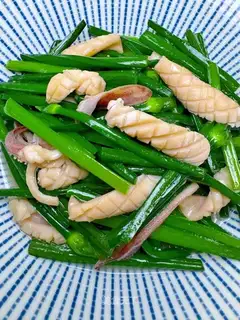
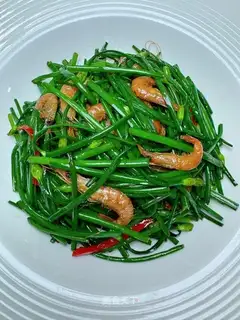
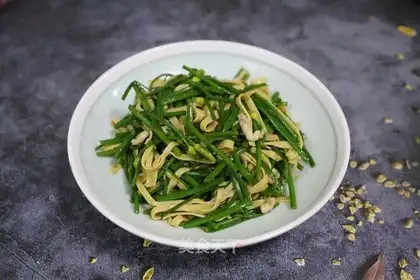
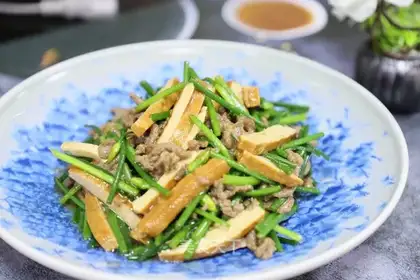
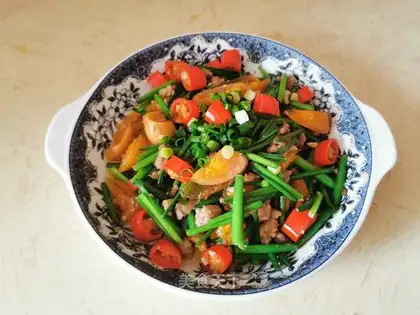
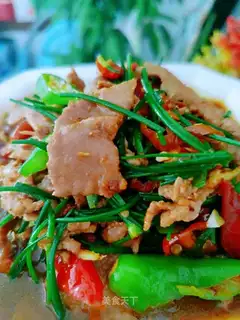
In the vast tapestry of culinary ingredients, some treasures are often overlooked despite their remarkable benefits. Chive blossoms, the vibrant, purple or white flowers that top chive plants (Allium schoenoprasum), are a prime example. Long dismissed as mere ornamental garnishes, these delicate blooms are not only visually stunning but also packed with nutrients, unique flavors, and potential health-promoting properties. For centuries, they have been a staple in Eastern European and Asian cuisines, yet their global popularity remains modest. This article explores the nutritional profile of chive blossoms, their diverse health benefits, and important considerations for safe consumption, shedding light on why this humble flower deserves a place in modern diets.
Nutritional Profile: A Hidden Trove of Vitamins, Minerals, and Bioactive Compounds
Chive blossoms are a nutritional underdog, offering a concentrated dose of essential nutrients in a low-calorie package. A 100-gram serving of fresh chive blossoms contains approximately 32 calories, making them an ideal choice for health-conscious individuals. Their nutritional composition is marked by a rich array of vitamins, minerals, and antioxidants that contribute to overall well-being.
Vitamins play a central role in the health benefits of chive blossoms. They are exceptionally high in vitamin K, a critical nutrient for blood clotting and bone health. Just 100 grams of chive blossoms provide over 200% of the daily recommended intake of vitamin K, which helps regulate calcium deposition in bones and prevents arterial calcification. Additionally, chive blossoms are a good source of vitamin C, a potent antioxidant that boosts immune function, supports collagen synthesis, and enhances iron absorption. They also contain smaller amounts of vitamin A (in the form of beta-carotene), which is vital for vision, skin health, and immune regulation.
Minerals in chive blossoms further enhance their nutritional value. They are rich in potassium, an electrolyte that balances fluids in the body, supports nerve function, and helps regulate blood pressure. A 100-gram serving contains about 300 mg of potassium, rivaling that of a banana. Chive blossoms also provide iron, essential for oxygen transport in the blood, and calcium, which works in tandem with vitamin K to maintain bone density. Trace minerals like manganese and magnesium are present as well, playing roles in metabolism, antioxidant defense, and muscle function.
What truly sets chive blossoms apart, however, is their bioactive compounds. As part of the Allium family (alongside garlic, onions, and leeks), they contain organosulfur compounds such as allicin, allyl disulfide, and thiosulfinates. These compounds are responsible for the pungent aroma of chives and are studied for their anti-inflammatory, antimicrobial, and potential anticancer properties. When the blossoms are crushed or chewed, these compounds are released, offering protective effects against cellular damage.
Chive blossoms are also a source of flavonoids, a group of antioxidants that combat oxidative stress. Quercetin, in particular, is abundant in these flowers. This flavonoid has been linked to reduced inflammation, improved heart health, and enhanced brain function. Together, these nutrients and bioactive compounds make chive blossoms a functional food—one that provides basic nutrition while actively promoting health.
Health Benefits: From Immune Support to Disease Prevention
The combination of vitamins, minerals, and bioactive compounds in chive blossoms translates to a range of health benefits, spanning immune support, heart health, digestion, and more.
1. Boosting Immune Function
Vitamin C and vitamin A in chive blossoms are key players in immune defense. Vitamin C stimulates the production and function of white blood cells, the body’s primary infection-fighting cells. It also acts as an antioxidant, neutralizing free radicals that can weaken the immune system. Vitamin A, meanwhile, maintains the integrity of mucosal surfaces—such as the respiratory and digestive tracts—acting as a physical barrier against pathogens. Studies suggest that adequate vitamin A intake reduces the severity and duration of illnesses like colds and flu.
2. Supporting Heart Health
Chive blossoms contribute to cardiovascular health through multiple mechanisms. Their high potassium content helps counteract the effects of sodium, lowering blood pressure and reducing the risk of hypertension—a major risk factor for heart disease. The organosulfur compounds in chive blossoms, particularly allicin, have been shown to lower LDL (“bad”) cholesterol and triglyceride levels while increasing HDL (“good”) cholesterol. Additionally, quercetin in these flowers reduces inflammation in blood vessels, improving elasticity and reducing the risk of atherosclerosis (hardening of the arteries).
3. Enhancing Digestive Health
Fiber is essential for digestion, and chive blossoms contain a modest amount of dietary fiber (about 2.5 grams per 100 grams), which promotes regular bowel movements and prevents constipation. More importantly, the prebiotic properties of their inulin fibers (a type of soluble fiber) nourish beneficial gut bacteria, such as Bifidobacteria and Lactobacilli. A healthy gut microbiome is linked to improved nutrient absorption, reduced inflammation, and even enhanced mood. The antimicrobial compounds in chive blossoms, such as allicin, may also help inhibit the growth of harmful gut bacteria, further supporting digestive balance.
4. Anti-Inflammatory and Anticancer Potential
Chronic inflammation is a root cause of many diseases, including arthritis, diabetes, and cancer. Chive blossoms contain multiple anti-inflammatory compounds, including quercetin and organosulfur compounds, which inhibit pro-inflammatory enzymes (like COX-2) and cytokines. Research on Allium vegetables suggests that regular consumption may reduce the risk of certain cancers. For example, allicin has been shown to induce apoptosis (programmed cell death) in cancer cells and inhibit tumor growth in studies on colon and stomach cancer. While more human trials are needed, these findings highlight the potential of chive blossoms as a complementary approach to cancer prevention.
5. Bone and Blood Health
The high vitamin K content in chive blossoms makes them particularly beneficial for bone health. Vitamin K activates osteocalcin, a protein that binds calcium to bones, increasing their density and strength. This is especially important for postmenopausal women, who are at a higher risk of osteoporosis due to declining estrogen levels. Additionally, the iron in chive blossoms helps prevent iron-deficiency anemia, a condition characterized by fatigue, weakness, and impaired cognitive function. When paired with vitamin C (which enhances iron absorption), chive blossoms become a valuable dietary source of this essential mineral.
Culinary Uses: Elevating Dishes with Flavor and Color
Beyond their health benefits, chive blossoms are a chef’s secret weapon, adding a mild, oniony flavor and a pop of color to dishes. Unlike the more pungent chive leaves, the blossoms have a delicate, slightly sweet taste with hints of garlic, making them versatile in both raw and cooked preparations.
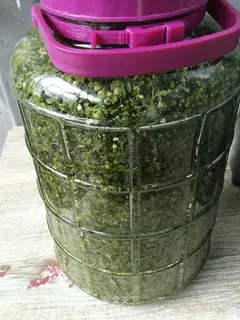
In Eastern European cuisines, chive blossoms are often used to make zvini, a traditional condiment where the flowers are chopped and mixed with salt, vinegar, and oil. This flavorful blend is spread on bread or used as a seasoning for meats and vegetables. In Asian cooking, particularly in China and Korea, pickled chive blossoms are a popular side dish, offering a tangy, crunchy accompaniment to rice and soups.
In Western cuisine, chive blossoms are prized as a garnish. Their purple or white petals can be sprinkled over salads, soups, scrambled eggs, or creamy dips like hummus or sour cream for both visual appeal and flavor. They can also be infused into vinegar or oil, creating a aromatic base for dressings and marinades. For a creative twist, chive blossoms can be battered and fried as a tempura snack or frozen into ice cubes to add a subtle flavor to cocktails or infused water.
When using chive blossoms, it is best to add them at the end of cooking to preserve their delicate flavor and nutritional content. The petals can be separated from the stems and used whole or chopped, depending on the desired texture.
Precautions and Potential Side Effects
While chive blossoms are generally safe for most people, there are important precautions to consider, particularly for those with specific health conditions or sensitivities.
1. Allium Allergies
Individuals with allergies to other Allium vegetables (garlic, onions, leeks, or shallots) should avoid chive blossoms, as they may experience similar allergic reactions. Symptoms can range from mild (itching, hives) to severe (anaphylaxis, difficulty breathing). Those with known allergies should consult a healthcare provider before consuming chive blossoms.
2. Blood-Thinning Medications
Chive blossoms are high in vitamin K, which plays a key role in blood clotting. People taking anticoagulant medications, such as warfarin (Coumadin), must maintain consistent vitamin K intake to avoid drug interactions. Sudden increases in vitamin K from foods like chive blossoms can reduce the effectiveness of these medications, increasing the risk of blood clots. Individuals on blood thinners should consult their doctor or a registered dietitian to determine safe consumption levels.
3. Digestive Sensitivity
While chive blossoms are beneficial for digestion, their high fiber and sulfur content may cause discomfort in some people. Those with irritable bowel syndrome (IBS) or sensitive digestive systems may experience bloating, gas, or diarrhea after consuming large amounts. It is advisable to start with small servings and monitor tolerance.
4. Pregnancy and Breastfeeding
Pregnant and breastfeeding women can safely consume chive blossoms in moderation as part of a balanced diet. However, excessive intake should be avoided, as high doses of certain compounds (e.g., organosulfur compounds) may have uterine stimulant effects. Consulting a healthcare provider is recommended for those with concerns.
5. Pesticide Residues
As with all edible flowers, chive blossoms should be thoroughly washed before consumption to remove dirt, pollen, and pesticide residues. Organic chive blossoms are preferable, as they are grown without synthetic pesticides. If using homegrown blossoms, ensure they are grown in a chemical-free environment.
Conclusion
Chive blossoms are a nutritional and culinary gem, offering a unique combination of vitamins, minerals, and bioactive compounds that support immune function, heart health, digestion, and more. Their delicate flavor and vibrant appearance make them a versatile ingredient in a wide range of dishes, from traditional condiments to modern gourmet creations. While they are generally safe for most people, precautions such as avoiding allergies, monitoring vitamin K intake for those on blood thinners, and washing thoroughly are essential to maximize their benefits.
As consumers increasingly seek natural, nutrient-dense foods, chive blossoms are poised to move from the sidelines into the spotlight. By incorporating these humble flowers into their diets, people can not only enhance the flavor of their meals but also unlock a wealth of health benefits—proving that good things often come in small, beautiful packages.