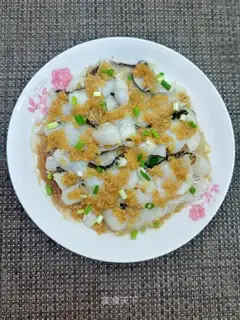
Vermicelli, a thin, noodle-like food made from various starch sources, has been a staple in cuisines worldwide for centuries. From Asian stir-fries to Italian soups, its versatility and mild flavor make it a beloved ingredient. However, beyond its culinary appeal, vermicelli offers a range of nutritional benefits, though its consumption also requires awareness of potential precautions. This article explores the nutritional profile of vermicelli, its health benefits, and important considerations for safe consumption.
Nutritional Value of Vermicelli
The nutritional composition of vermicelli varies significantly based on its primary ingredient, which can include rice, mung bean, sweet potato, potato, or even wheat. Generally, vermicelli is rich in carbohydrates but low in protein and fat, making it a source of quick energy.
1. Carbohydrates
Carbohydrates constitute the bulk of vermicelli, typically accounting for 80–90% of its dry weight. These are mostly complex carbohydrates, such as starch, which digests slowly to release glucose steadily into the bloodstream. This makes vermicelli a valuable energy source for athletes, laborers, and individuals needing sustained energy throughout the day. For example, 100 grams of dry rice vermicelli contains approximately 80 grams of carbohydrates, providing about 320 calories.
2. Micronutrients
The micronutrient content of vermicelli depends on its base ingredient. Rice vermicelli is low in fiber but contains small amounts of B vitamins (such as thiamine and niacin), which play key roles in metabolism. Mung bean vermicelli, by contrast, is richer in protein, fiber, and minerals like iron, magnesium, and potassium. Sweet potato vermicelli offers a higher dose of vitamin A (from beta-carotene) and antioxidants, while wheat-based vermicelli may contain more B vitamins and gluten.
3. Low in Fat and Protein
Most vermicelli varieties are naturally low in fat (less than 1 gram per 100 grams) and protein (2–5 grams per 100 grams). This makes them suitable for low-fat diets but less ideal as a standalone protein source. To balance meals, vermicelli is often paired with protein-rich foods like tofu, meat, or legumes.
4. Hydration and Digestibility
When cooked, vermicelli absorbs water and becomes soft, making it easy to digest. This property benefits individuals with sensitive digestive systems, such as children or the elderly, though highly processed vermicelli may have a higher glycemic index (GI) due to refined starch content.
Health Benefits of Vermicelli
When consumed as part of a balanced diet, vermicelli can contribute to several health benefits, largely derived from its carbohydrate content, micronutrients, and ease of digestion.
1. Energy Boost
The high carbohydrate content in vermicelli makes it an excellent source of quick energy. For athletes, a pre-workout meal of vermicelli can provide glycogen stores, aiding endurance. For individuals recovering from illness or surgery, soft, easily digestible vermicelli helps replenish energy without overloading the digestive system.
2. Digestive Health
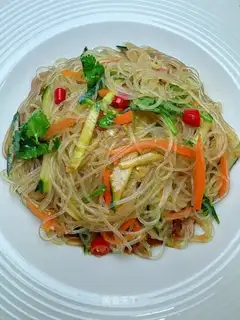
While refined vermicelli is low in fiber, varieties made from whole grains or legumes (e.g., mung bean vermicelli) can promote digestive health. Fiber adds bulk to stool, prevents constipation, and supports a healthy gut microbiome. Even rice vermicelli, when paired with fiber-rich vegetables (e.g., carrots, bell peppers, and broccoli), can contribute to smoother digestion.
3. Gluten-Free Option (for Certain Types)
Vermicelli made from rice, sweet potato, or mung bean is naturally gluten-free, making it a safe alternative for individuals with celiac disease or gluten sensitivity. Wheat-based vermicelli, however, contains gluten and should be avoided by those with gluten-related disorders.
4. Nutrient Enrichment
Fortified vermicelli varieties may contain added nutrients such as iron, folic acid, or B vitamins, addressing common deficiencies in populations with limited dietary diversity. For instance, iron-fortified vermicelli can help prevent anemia, particularly in women and children.
5. Weight Management Support
When paired with lean protein, vegetables, and healthy fats, vermicelli can be part of a weight management plan. Its low calorie density (when cooked) and ability to promote satiety help control calorie intake. However, portion control is essential, as excessive consumption of refined vermicelli may contribute to weight gain due to its high carbohydrate content.
Precautions and Potential Side Effects
While vermicelli is generally safe for consumption, certain precautions must be taken to avoid health risks.
1. High Glycemic Index (Refined Varieties)
Refined vermicelli, made from white rice or wheat flour, has a high glycemic index (GI), meaning it can cause rapid spikes in blood sugar levels. This is concerning for individuals with diabetes, insulin resistance, or prediabetes. To mitigate this, opt for whole-grain or legume-based vermicelli (e.g., mung bean or sweet potato vermicelli), which have a lower GI due to higher fiber content. Pairing vermicelli with protein, fiber, or healthy fats (e.g., peanut sauce or tofu) can also slow glucose absorption.
2. Low Protein and Nutrient Density
Vermicelli is not a nutritionally complete food. Its low protein and micronutrient content mean that relying solely on vermicelli for sustenance can lead to deficiencies. To balance meals, combine vermicelli with protein sources (e.g., chicken, fish, eggs, or legumes), vegetables, and healthy fats (e.g., avocado or olive oil).
3. Sodium and Additives in Processed Vermicelli
Commercially produced vermicelli, especially instant noodles, often contains high levels of sodium, preservatives, and artificial flavorings. Excessive sodium intake is linked to hypertension and cardiovascular disease. Check labels for low-sodium options and avoid vermicelli with monosodium glutamate (MSG) if sensitive to this additive. For a healthier choice, choose plain vermicelli and season it with natural herbs, spices, and low-sodium sauces.
4. Gluten Sensitivity
While rice and legume vermicelli are gluten-free, wheat-based vermicelli contains gluten. Individuals with celiac disease or non-celiac gluten sensitivity must carefully read labels to avoid cross-contamination or accidental gluten exposure.
5. Cooking and Storage Safety
Improper cooking or storage of vermicelli can lead to foodborne illnesses. Always cook vermicelli thoroughly to kill bacteria, and store cooked vermicelli in the refrigerator within two hours to prevent bacterial growth. Reheat leftovers to an internal temperature of 75°C (165°F) to ensure safety.
Conclusion
Vermicelli is a versatile and accessible food that can contribute to a balanced diet when chosen and prepared wisely. Its high carbohydrate content makes it an excellent energy source, while certain varieties offer fiber, micronutrients, and gluten-free options. However, refined vermicelli should be consumed in moderation to avoid blood sugar spikes, and meals should be balanced with protein, vegetables, and healthy fats to ensure nutritional adequacy. By understanding its nutritional value, benefits, and precautions, individuals can enjoy vermicelli as part of a healthy and delicious eating pattern. Whether in a steaming bowl of phở, a crisp stir-fry, or a hearty soup, vermicelli continues to be a timeless staple that bridges culinary traditions and nutritional needs.