Favage varnish
By VicentaLakin
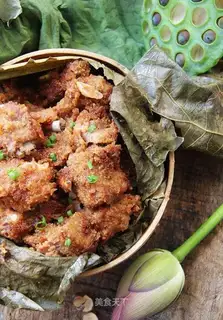
The powdered varnish is a vegetable that changes from the powdered veggie to the rib. After steaming, the fragrance of rice powder, the soft ribs, and the fragrance of the fragrance of the leaf, are overwhelming
Recipe Recommendations
- pork ribs 500 grams
- lotus root appropriate amount
- lotus seed a little
- Home-made steamed pork rice noodles appropriate amount
- green onion a little
- onion appropriate amount
- ginger slices appropriate amount
- soy sauce 2 tablespoons
- glutinous rice juice 3 scoops
- bean curd 3 scoops
- oyster sauce 2 tablespoons
- white sugar 1/2 scoop
- sesame oil 1 scoop
- salt 1/3 spoon
Steps for Favage varnish
1
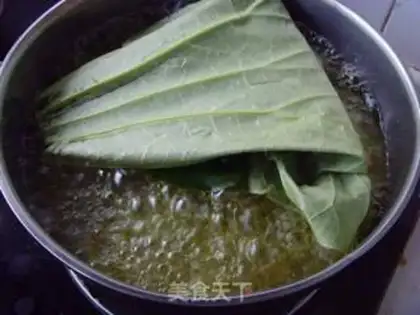
Fresh leaves are washed with water and burned in boiling water。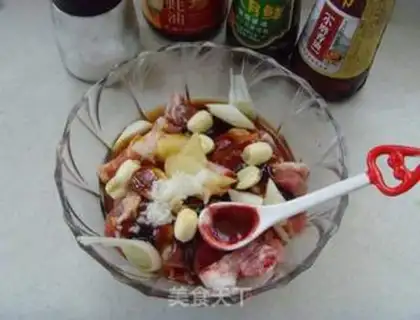
2
The ribs are cut and purified and placed in the container, with all the spices, and the lichen plastering for 30 minutes。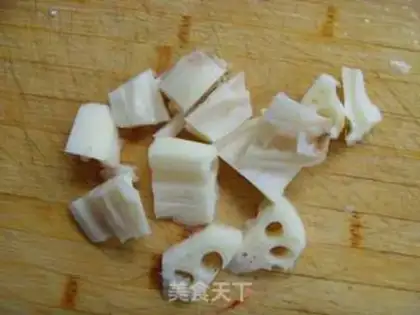
3
Picks out onions and ginger blades for pickle ribs, and drops into the steam powder to even。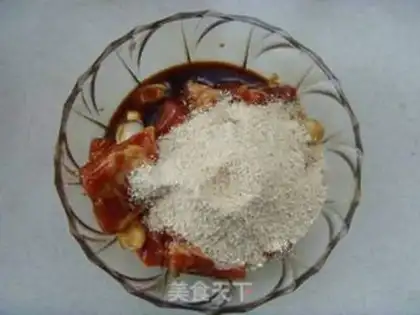
4
The rice powder and meat absorb water for five minutes。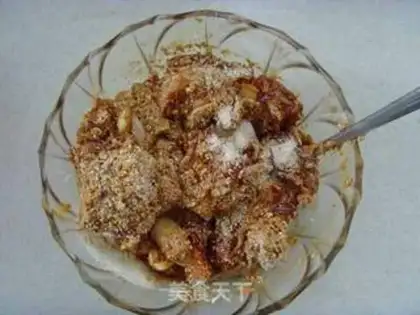
5
Lotus go to the skin cutters, the lilies go to the skins, the cores go。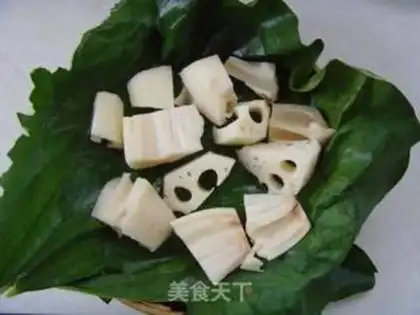
6
The leaves are laid in the steam closet, and the bottom code is a latte。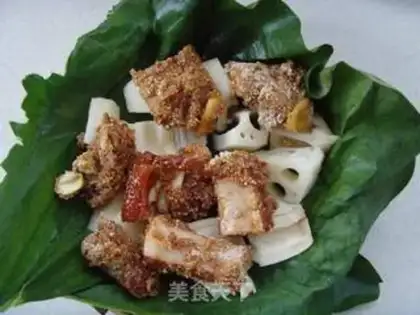
7
Put the ribs and the lotions over the lumber, and wrap the leaves。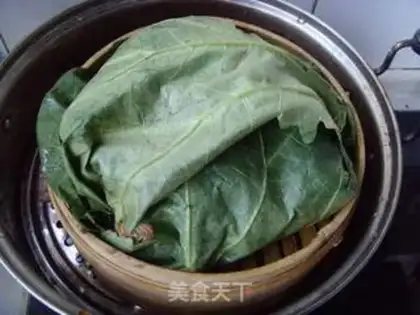
8
Fire evaporates for an hour to the spleen of ribs。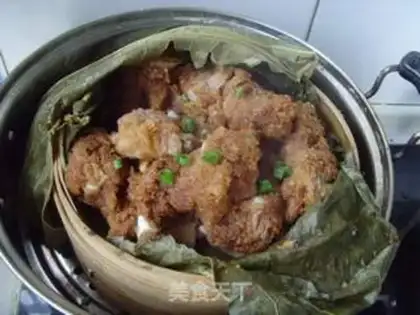
9
Take off the leaves and put flowers on them。Favage varnish Make Tips
1. Wrap the ribs with lotus leaves to make them more fragrant and prevent water vapor from entering during steaming.
2. The ribs should be cut evenly in size, so that the ribs can be easy to taste and easy to steam through.
3. In addition to using lotus root as the base, you can also use potatoes or taro. They are all absorbent ingredients and can absorb oil and umami when steamed.
4. Steaming is the healthiest way to cook, followed by boiling, then frying, roasting, and frying. Therefore, eating more steamed food can retain more nutrients in the food and will not eat too much oil. More importantly, steaming is simple and convenient.
2. The ribs should be cut evenly in size, so that the ribs can be easy to taste and easy to steam through.
3. In addition to using lotus root as the base, you can also use potatoes or taro. They are all absorbent ingredients and can absorb oil and umami when steamed.
4. Steaming is the healthiest way to cook, followed by boiling, then frying, roasting, and frying. Therefore, eating more steamed food can retain more nutrients in the food and will not eat too much oil. More importantly, steaming is simple and convenient.