Peas rice
By VicentaLakin
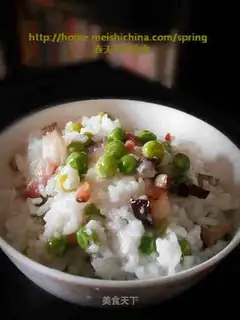
The sound, the sound, the hole, is a bit of a "vamination" principle, but not a steam. Because it's a dialect, I can't find the most appropriate word, but it's not meant to be. Without so many modern cookers now, our ancestors have not lost much of their minds and energy in the production of good foods, and they have made so many good foods today and so many diverse methods and techniques of food production because of their local nature, their simplicity and their lack of conditions. With the development of progressive technology in society, a wide variety of kitchens and small household electricity have emerged, greatly liberating the women's workers, stimulating their creativity and producing more healthy food. While we accept new things, we still have some good old traditions and hope that our children, their children, will continue. Food is probably the most unique staple in Kawasu territory. The six-to-seven-part rice is asphalted, suitable green leaf vegetables, beans and root vegetables are fed into a suitable quantity of oiled salt, with a small amount of clean water, mating on the bottom of the pot, and the seven-part rice is spread loosely, several gas holes are punctuated with chopsticks, and the rice is cooked using the boiler. Then you mix well-cooked rice with cooking in the pot, and a bowl of fragrance dry rice is ready. Such rice, which absorbs the smell of oil and vegetables and which is softly digested, can eat a very beautiful bowl without making it alone. Vegetables often used for bottom-checking are: Quail beans, cabbage, green peas, carrots, potatoes, beans, pumpkins. The bottoms of the beans are the four beans, and the bottoms of the peas are the peas, and so on. Vegetables at the bottom can be properly fed with gravy, bouquets, and can improve the taste of food. What I'm introducing you today is the chicken peas, which are brought from home. They're very delicious. The peas were bought in the fridge this spring。
Recipe Recommendations
Steps for Peas rice
1
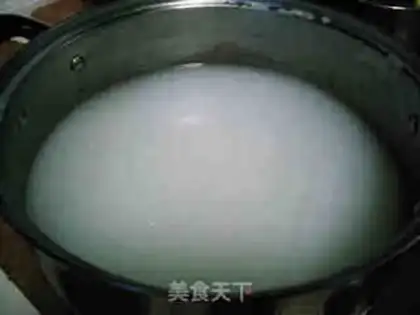
Rice is washed, boiled in a boiler, poured into an appropriate amount of water, divided into a suitable fraction of rice above 2-3。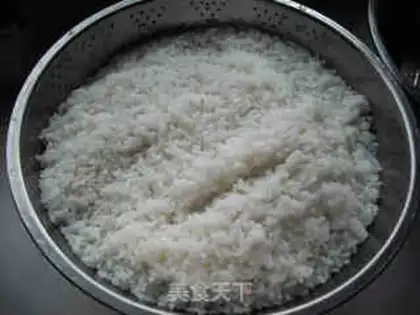
2
The rice is boiled up to seven points, the rice is leached out and the rice soup is used for other purposes and can be consumed at will。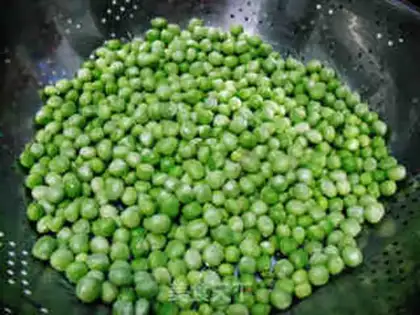
3
Wash the peas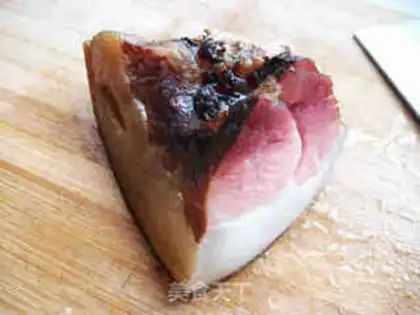
4
The meat is cooked early。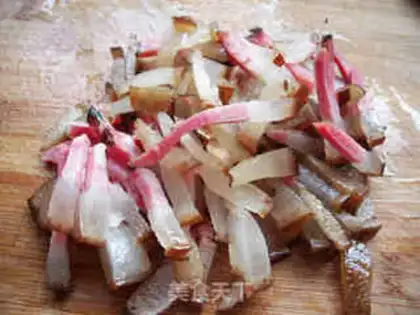
5
Scratch or Ding。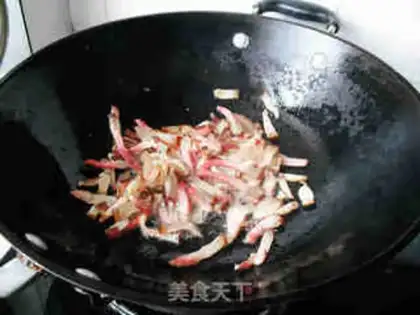
6
In the frying pan, a proper amount of peanut oil was put in the frying pan, which was burned and then poured into the pork porridge to the porridge。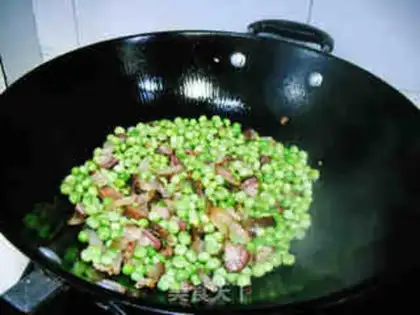
7
Then the peas were poured in, evenly tuned, and they were transferred to the right amount of salt, and the same amount。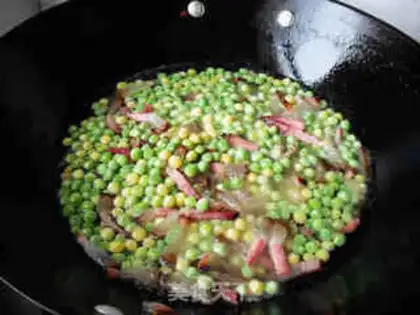
8
A small amount of clean water is blended and the water surface is divided into approximately 2 cm above the bottom of the pot。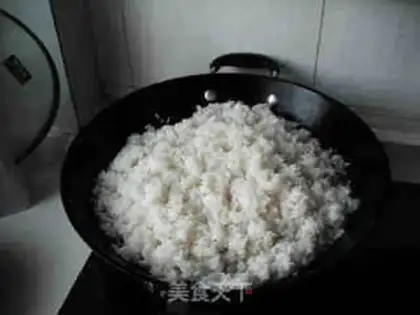
9
The six-and-seven cents of prepared rice is laid loosely on the peas, then it is put in the end with chopsticks, and several chopsticks are placed in the eye and covered with the pan。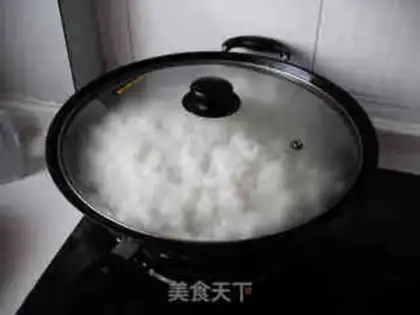
10
When the fire goes on, it turns into a small fire, and in so doing listen to whether the boiler is dry. Remember not to burn。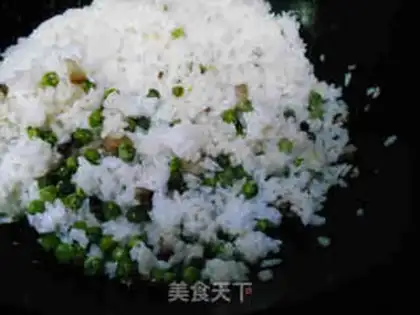
11
In about 8 to 10 minutes, the lid is lifted, a few rices are inserted with chopsticks, and a few more breaths are blown. If the steam can easily pass through the rice, the sound of the sound, and the respiration is very strong, the rice is ready。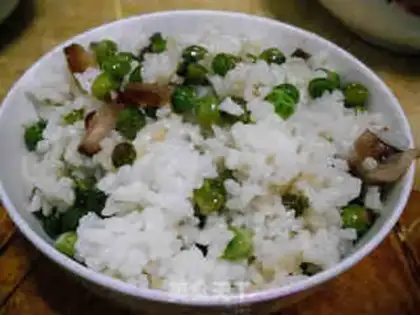
12
If you mix the dishes with rice, you can eat. When you eat it, you can have the rice soup that you leached before. You can save your food。