Chestnut red meat
By VicentaLakin
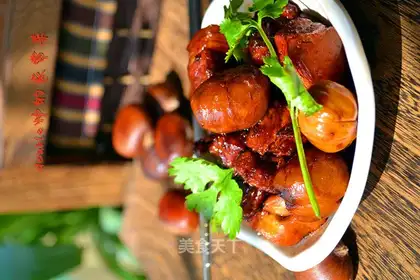
This year's chestnuts are ripe, and this time of year they've got lots of chestnuts, lots of chestnuts, lots of red meat
Recipe Recommendations
- pork belly a pound
- chestnuts half a catty
- onion ginger appropriate amount
- star anise cassia appropriate amount
- soy sauce appropriate amount
- oyster sauce appropriate amount
- soy sauce appropriate amount
- rock sugar appropriate amount
- salt appropriate amount
- chicken essence appropriate amount
Steps for Chestnut red meat

1
Prepare the raw materials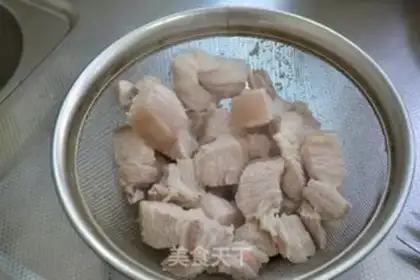
2
It's a spare
3
You don't put a tart in the pot and you don't burn it
4
Cook wine
5
He's got eight cents of cinnamon and two spoons
6
Add onions of ginger and ice cream to the water and burn it for about 20 minutes
7
It's time for the chestnuts to go into the fire for more than 30 minutes until they're soft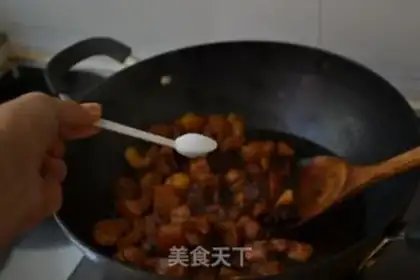
8
It's like salt and chickenChestnut red meat Make Tips
Tips: 1. It is easier to peel chestnuts if scalded with boiling water
2. Don't add chestnuts too early, or they will rot.
3. Chestnuts are more popular than meat, haha
Nutrition Tips: Excerpted from the Internet
1. Nutritional composition of chestnuts
Chestnuts are rich in nutrients, including carbohydrates, protein, fat, multiple vitamins and inorganic salts. Each 100 grams of chestnuts contain 62 - 70 grams of sugar and starch, 5.1 - 10.7 grams of protein, 2 - 7.4 grams of fat, and 40 - 45 grams of carbohydrates. The vitamin content of raw chestnuts can be as high as 40 - 60 mg, and the vitamin content of cooked chestnuts is about 25 mg. Chestnuts also contain inorganic salts such as calcium, phosphorus, iron, and potassium, as well as various ingredients such as carotene and B vitamins.
Modern medicine believes that the unsaturated fatty acids and vitamins contained in chestnuts have good preventive and therapeutic effects on diseases such as hypertension, coronary heart disease and arteriosclerosis. If the elderly eat chestnuts regularly, they can achieve the goal of anti-aging and prolonging life.
1. Chestnuts are rich in unsaturated fatty acids, vitamins and minerals, which can prevent and treat hypertension, coronary heart disease, arteriosclerosis, osteoporosis and other diseases. They are a good tonic for anti-aging and prolonging life;
2. Chestnuts contain riboflavin. Eating chestnuts regularly is beneficial to children with chronic mouth sores and adult mouth ulcers;
3. Chestnut is a dried fruit variety with high carbohydrate content. It can supply more heat energy to the human body and help fat metabolism. It has the effect of replenishing qi, strengthening the spleen, and replenishing the gastrointestinal tract;
4. Chestnuts are rich in vitamin C, which can maintain the normal function of teeth, bones, blood vessels and muscles. They can prevent and treat osteoporosis, weak waist and legs, pain in bones and muscles, fatigue, etc., delay human aging, and are an ideal health care fruit for the elderly.
2. The effect of chestnuts
Stomach the stomach and strengthen the spleen, nourish the kidney and strengthen the muscles, promote blood circulation and stop bleeding. Indications for nausea and failure to eat, diarrhea and diarrhea, hematemesis, epistaxis, hematochezia, fracture of muscle injuries, blood stasis, pain, scrofula swelling and other diseases.
3. The therapeutic effect of chestnuts
Chestnuts can be eaten in a lot. They can be used to make soup with water to treat weakness and sore limbs after illness; Chestnuts can be boiled in porridge with white sugar, which has the effect of replenishing kidney qi and strengthening muscles and bones; You can eat several air-dried chestnuts every morning and evening. You can also use fresh chestnuts to simmer cooked food for kidney deficiency in the elderly; when traumatic injuries, congestion and swelling, you can grind raw chestnut meat into mud and apply it to the affected area. It should be noted that chestnuts are difficult to digest raw food and tend to stagnate when cooked, so you should not eat too much, and those with indigestion and warmth should not be eaten.
1. Revitalize Qi and nourish the spleen, strengthen the stomach and have thick intestines. Chestnuts are dried fruits with high carbohydrate content. They can supply more heat energy to the human body and help fat metabolism. Ensure the supply of basic nutrients for the body, including "hard-core crops",
2. Don't add chestnuts too early, or they will rot.
3. Chestnuts are more popular than meat, haha
Nutrition Tips: Excerpted from the Internet
1. Nutritional composition of chestnuts
Chestnuts are rich in nutrients, including carbohydrates, protein, fat, multiple vitamins and inorganic salts. Each 100 grams of chestnuts contain 62 - 70 grams of sugar and starch, 5.1 - 10.7 grams of protein, 2 - 7.4 grams of fat, and 40 - 45 grams of carbohydrates. The vitamin content of raw chestnuts can be as high as 40 - 60 mg, and the vitamin content of cooked chestnuts is about 25 mg. Chestnuts also contain inorganic salts such as calcium, phosphorus, iron, and potassium, as well as various ingredients such as carotene and B vitamins.
Modern medicine believes that the unsaturated fatty acids and vitamins contained in chestnuts have good preventive and therapeutic effects on diseases such as hypertension, coronary heart disease and arteriosclerosis. If the elderly eat chestnuts regularly, they can achieve the goal of anti-aging and prolonging life.
1. Chestnuts are rich in unsaturated fatty acids, vitamins and minerals, which can prevent and treat hypertension, coronary heart disease, arteriosclerosis, osteoporosis and other diseases. They are a good tonic for anti-aging and prolonging life;
2. Chestnuts contain riboflavin. Eating chestnuts regularly is beneficial to children with chronic mouth sores and adult mouth ulcers;
3. Chestnut is a dried fruit variety with high carbohydrate content. It can supply more heat energy to the human body and help fat metabolism. It has the effect of replenishing qi, strengthening the spleen, and replenishing the gastrointestinal tract;
4. Chestnuts are rich in vitamin C, which can maintain the normal function of teeth, bones, blood vessels and muscles. They can prevent and treat osteoporosis, weak waist and legs, pain in bones and muscles, fatigue, etc., delay human aging, and are an ideal health care fruit for the elderly.
2. The effect of chestnuts
Stomach the stomach and strengthen the spleen, nourish the kidney and strengthen the muscles, promote blood circulation and stop bleeding. Indications for nausea and failure to eat, diarrhea and diarrhea, hematemesis, epistaxis, hematochezia, fracture of muscle injuries, blood stasis, pain, scrofula swelling and other diseases.
3. The therapeutic effect of chestnuts
Chestnuts can be eaten in a lot. They can be used to make soup with water to treat weakness and sore limbs after illness; Chestnuts can be boiled in porridge with white sugar, which has the effect of replenishing kidney qi and strengthening muscles and bones; You can eat several air-dried chestnuts every morning and evening. You can also use fresh chestnuts to simmer cooked food for kidney deficiency in the elderly; when traumatic injuries, congestion and swelling, you can grind raw chestnut meat into mud and apply it to the affected area. It should be noted that chestnuts are difficult to digest raw food and tend to stagnate when cooked, so you should not eat too much, and those with indigestion and warmth should not be eaten.
1. Revitalize Qi and nourish the spleen, strengthen the stomach and have thick intestines. Chestnuts are dried fruits with high carbohydrate content. They can supply more heat energy to the human body and help fat metabolism. Ensure the supply of basic nutrients for the body, including "hard-core crops",