Chestnuts, often called the "nuts of the woods," have been a dietary staple and cultural symbol in civilizations across the globe for millennia. From the roasted chestnuts sold by street vendors in European winters to the sweet chestnut dishes featured in East Asian cuisine, these versatile nuts offer a unique blend of flavor, texture, and nutrition. Unlike other tree nuts, chestnuts have a starchy, sweet profile and a high water content, making them more similar to a whole grain than a traditional nut. This article explores the nutritional composition of chestnuts, their health benefits, and important precautions to consider when incorporating them into your diet.
Nutritional Composition of Chestnuts
Chestnuts stand out among nuts for their distinct nutritional profile. While most nuts are high in oil and calories, chestnuts are lower in fat and richer in complex carbohydrates, fiber, and water. A 100-gram serving of raw chestnuts contains approximately:
- Calories: 190 kcal (significantly lower than almonds, walnuts, or pecans).
- Carbohydrates: 44 grams, primarily in the form of starch, with a low glycemic index (GI) of 54, making them suitable for moderate blood sugar management.
- Fiber: 8 grams, promoting digestive health and satiety.
- Protein: 4 grams, a modest amount compared to legumes but higher than most tree nuts.
- Fat: 2 grams, mostly unsaturated fats (oleic and linoleic acids), with negligible cholesterol.
- Vitamins: Rich in vitamin C (36 mg per 100g, more than an orange), vitamin B6, folate, and thiamine. Vitamin C is rare in nuts and is crucial for collagen synthesis, immune function, and iron absorption.
- Minerals: Excellent sources of potassium (715 mg), copper (0.4 mg), manganese (1.5 mg), and magnesium (85 mg). Potassium supports heart health, while copper aids in iron metabolism and antioxidant defense.
- Water: About 50%, contributing to their soft, moist texture when cooked.
This unique combination makes chestnuts a nutrient-dense food that can complement both sweet and savory dishes while providing sustained energy without the heaviness of oilier nuts.
Health Benefits of Chestnuts
Regular consumption of chestnuts is associated with numerous health benefits, backed by both traditional use and modern scientific research.
1. Supports Heart Health
Chestnuts are heart-friendly due to their low-fat content and high levels of heart-protective nutrients. Potassium helps regulate blood pressure by counteracting the effects of sodium, while the unsaturated fats (particularly oleic acid) reduce LDL ("bad") cholesterol and increase HDL ("good") cholesterol. Additionally, the fiber in chestnuts binds to cholesterol in the digestive system, preventing its absorption into the bloodstream. Studies suggest that diets rich in nuts and seeds (including chestnuts) may lower the risk of cardiovascular disease by 15–30%.
2. Enhances Digestive Health
With 8 grams of fiber per 100 grams, chestnuts are an excellent food for digestive wellness. Fiber adds bulk to stool, preventing constipation, and acts as a prebiotic, feeding beneficial gut bacteria. A healthy gut microbiome is linked to improved immunity, reduced inflammation, and even mood regulation. The starch in chestnuts also resists digestion in the small intestine, fermenting in the colon to produce short-chain fatty acids (SCFAs), which nourish colon cells and reduce the risk of colorectal cancer.
3. Boosts Immune Function
Chestnuts are one of the few plant-based sources of vitamin C, a potent antioxidant that strengthens the immune system. Vitamin C stimulates the production of white blood cells, enhances antibody function, and protects cells from oxidative damage caused by free radicals. A single serving of chestnuts (100g) provides over 40% of the recommended daily intake (RDI) of vitamin C, making them a valuable food for preventing infections and supporting overall immunity.
4. Provides Sustainable Energy
The high carbohydrate and fiber content in chestnuts makes them an excellent source of slow-release energy, ideal for athletes or individuals needing sustained stamina. Unlike simple sugars, which cause rapid spikes and crashes in blood sugar, the complex carbs in chestnuts are digested gradually, providing steady energy levels. This is particularly beneficial for active individuals or those managing type 2 diabetes, as the low GI of chestnuts (54) helps maintain stable blood glucose levels.
5. Promotes Bone Health
Chestnuts are rich in minerals essential for bone maintenance, including magnesium, manganese, and copper. Magnesium aids in calcium absorption and bone mineralization, while manganese supports collagen production and bone density. Copper works with vitamin C to form elastin and collagen, which are critical for bone flexibility and strength. Regular consumption of chestnuts may help reduce the risk of osteoporosis, especially in older adults.
6. Antioxidant and Anti-Inflammatory Properties
Chestnuts contain antioxidants such as vitamin C, tannins, and flavonoids, which neutralize harmful free radicals and reduce oxidative stress. Chronic oxidative stress is linked to aging, cancer, and chronic diseases like Alzheimer’s. The anti-inflammatory compounds in chestnuts may also alleviate symptoms of inflammatory conditions, such as arthritis, by inhibiting pro-inflammatory enzymes.
Culinary Uses and Versatility
Beyond their health benefits, chestnuts are prized for their culinary versatility. They can be boiled, roasted, steamed, or pureed, and used in both sweet and savory dishes:
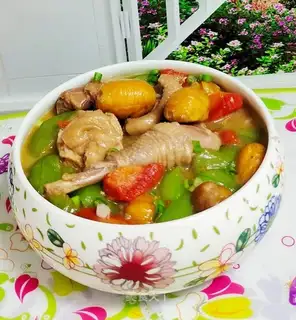
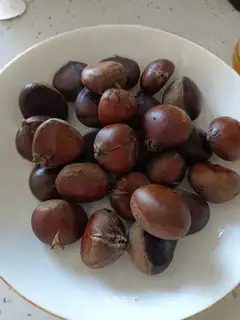
- Roasted Chestnuts: A classic winter treat, roasted chestnuts develop a sweet, nutty flavor and a soft, creamy texture.
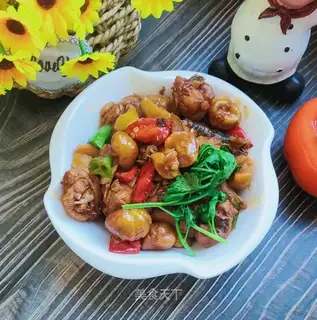
- Soups and Stews: Chestnuts add thickness and richness to soups (e.g., chestnut and mushroom soup) and stews.
- Desserts: Pureed chestnuts are used in cakes, pastries, and mousse (e.g., French marron glacé or Italian tiramisu).
- Stuffings: Chopped chestnuts are a key ingredient in Thanksgiving and holiday stuffings, adding texture and depth.
- Flour: Chestnut flour, gluten-free and rich in fiber, is used in baking bread, pancakes, and pasta.
Precautions and Potential Side Effects
While chestnuts are highly nutritious, certain precautions should be taken to ensure safe consumption:
1. Allergies
Chestnut allergies are relatively rare but can be severe, especially in individuals with tree nut allergies (e.g., to almonds or walnuts). Symptoms may include itching, swelling, hives, or anaphylaxis. Those with known nut allergies should consult a healthcare provider before trying chestnuts.
2. Overconsumption of Carbohydrates
Due to their high carbohydrate content, excessive intake of chestnuts may lead to weight gain or blood sugar spikes in individuals with diabetes. Moderation is key—1–2 servings (100–200g) per week is sufficient for most people.
3. Anti-Nutrients
Raw chestnuts contain tannins and phytic acid, which can interfere with mineral absorption (e.g., iron, zinc) and cause digestive discomfort. Cooking methods like roasting, boiling, or steaming reduce these anti-nutrients, making chestnuts easier to digest. Raw chestnuts should never be eaten.
4. Mold Contamination
Chestnuts are prone to mold growth if stored in humid conditions. Moldy chestnuts may contain aflatoxins, carcinogenic compounds that can cause liver damage. Always inspect chestnuts for mold before consumption and store them in a cool, dry place.
5. Interaction with Medications
Chestnuts are high in potassium, so individuals taking potassium-sparing medications (e.g., ACE inhibitors or potassium supplements) should limit their intake to avoid hyperkalemia (dangerously high potassium levels).
Conclusion
Chestnuts are a nutritional powerhouse, offering a unique combination of vitamins, minerals, fiber, and complex carbohydrates that support heart health, digestion, immunity, and energy levels. Their versatility in culinary applications makes them a valuable addition to a balanced diet, while their low-fat content sets them apart from other nuts. However, like all foods, moderation and proper preparation are essential to avoid potential side effects. Whether roasted, pureed, or incorporated into soups and desserts, chestnuts are a delicious and nutritious choice that bridges tradition and modern wellness. By understanding their benefits and precautions, we can fully appreciate these "nuts of the woods" as a staple of healthy eating.