[Simi]
Sago is warm in nature, sweet in taste, strengthens the spleen, moistens the lungs, and reduces phlegm.
Edible starch made from carbohydrates stored in the trunks of several palm trees. English name: tapioca, or sago. The main raw materials are two sago palms originating in the Indonesian archipelago: Metroxylonrumphii and Sago coconut M.sagu. Sago palms grow in low-lying swamps and are usually 9 meters tall and dry. After 15 years of maturity, a flower ear grows, and the stem pith is filled with starch. As the fruit forms and matures, it absorbs starch, leaving the stems hollow. The tree dies after the fruit ripens. The cultivated sago palm is cut and split when the flower ears appear, the starch-containing pith is taken out and ground into powder. Add water and knead it above the filter to filter out the wood fiber. After washing several times, the rice flour is obtained, which is eaten locally. The sago that is shipped out is mixed with water to make a paste, and then ground through a sieve to make grains. According to the particle size, they are divided into pearl sago or pellet sago. Sago is almost pure starch, containing 88% carbohydrates, 0.5% protein, a small amount of fat and trace B vitamins. In the Pacific Southwest, sago is the staple food, and its coarse flour is used to make soups, cakes and puddings. Around the world, the main method of eating is to make pudding or sauce thickeners. Used as a hardening agent in the textile industry. On Seram Island in Borneo, Indonesia, the Simi palm forest is extremely large. A large amount of sago produced in Borneo has been imported into Europe, and due to increasing demand, the planting area is also expanding. Other Indonesian palms that are sources of sago include Arengapinnata, Caryotauren and Coryphaumbraculifera. The two types of sago palms produced in South America are Mauri
Taro chestnut sago dew
By LoyalDenesik

Recipe Recommendations
Steps for Taro chestnut sago dew
1
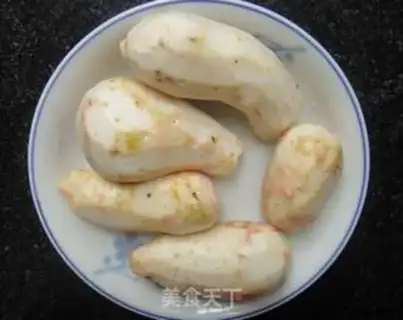
Step 1: Refrigerate the coconut juice for later use, peel the taro and cut it into small pieces, remove the shell and peel the chestnut, and place it into the pressure cooker. Add rock sugar (a little more, you need to cook until it is partial to dessert), add water just over the taro and chestnut, cover and press over medium heat for 20 minutes, during which time, pay attention to shaking the pan to avoid pasting the bottom, and then cool for later use.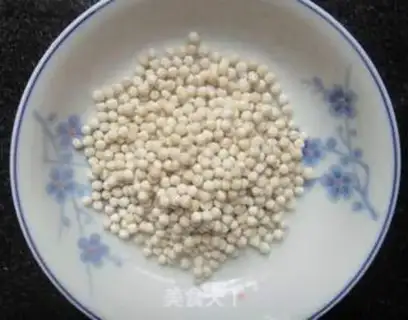
2
Step 2: How to cook delicious sago? The secret is patience and patience. Add cold water from time to time when cooking, and keep it simmer slowly. Now start with me... Raise a small pot and bring water (the water should be wide) to a boil, pour the sago directly (remember: do not wash or soak), cook slowly on low heat for about 2-3 hours (add cold water from time to time during this period), keep the water for boiling the sago not thick (key), cook until there are no small white spots in the middle, pick up and soak in cold water for later use.
3
Step 3: Now take a small bowl or cup, first put a spoonful of high-pressure boiled chestnuts and taro paste, then a spoonful of boiled sago, and pour in the chilled coconut juice.
4
The final product... Step 4: Make a bowl of fragrant and smooth taro chestnut sago dew.