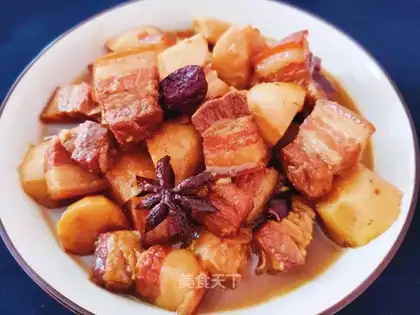
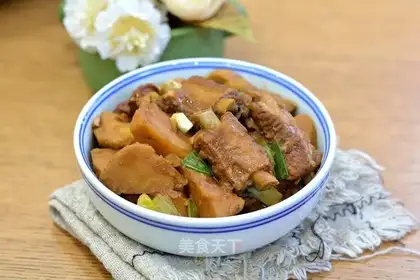
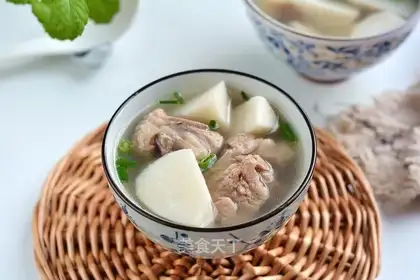
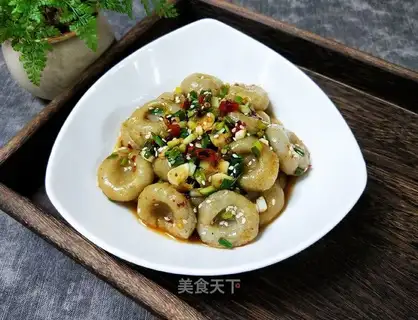
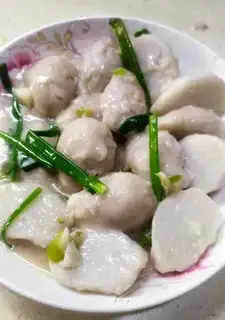
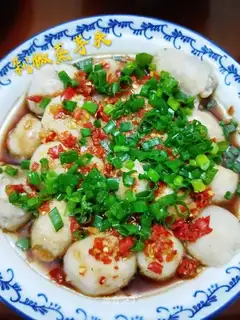
For centuries, taro (Colocasia esculenta) has been a staple food in tropical and subtropical regions, from Asia to Africa and the Pacific Islands. Among its many varieties, the small taro, often affectionately called "taro baby" or "mini taro," stands out for its convenience, versatility, and exceptional nutritional profile. Despite its unassuming appearance, this humble root vegetable packs a punch of vitamins, minerals, and bioactive compounds that offer numerous health benefits. However, as with many foods, proper preparation and awareness of potential risks are essential to fully enjoy its advantages. This article explores the nutritional value, health benefits, and precautions associated with small taro, shedding light on why this ancient crop remains relevant in modern diets.
Nutritional Profile of Small Taro
Small taro is a nutritional treasure trove, offering a well-balanced mix of macronutrients, fiber, and essential micronutrients. Its most distinctive feature is its high carbohydrate content, primarily in the form of complex carbohydrates and resistant starch, which provide sustained energy and support digestive health. A 100-gram serving of cooked small taro contains approximately 112 calories, 26 grams of carbohydrates, 2 grams of protein, and less than 1 gram of fat, making it a healthy energy source for athletes and active individuals.
One of taro’s standout nutritional components is its dietary fiber content, which ranges from 3 to 5 grams per 100 grams. Fiber plays a crucial role in regulating bowel movements, preventing constipation, and feeding beneficial gut bacteria, thereby promoting a healthy gut microbiome. Additionally, taro is rich in resistant starch, a type of fiber that resists digestion in the small intestine and ferments in the colon, producing short-chain fatty acids (SCFAs) that reduce inflammation and lower the risk of colorectal cancer.
Taro is also a good source of essential vitamins. It is particularly high in vitamin C (a 100-gram serving provides about 10% of the daily recommended intake), an antioxidant that boosts immune function, supports skin health, and enhances iron absorption. The vegetable also contains significant amounts of B vitamins, including vitamin B6 (important for brain development and metabolism) and folate (critical for DNA synthesis and cell division), making it especially beneficial for pregnant women.
Mineral-wise, small taro excels in potassium, with a 100-gram serving providing around 20% of the daily requirement. Potassium is vital for regulating blood pressure, balancing fluids in the body, and supporting muscle and nerve function. Taro also contains notable amounts of manganese (which aids in bone formation and antioxidant defense), magnesium (important for energy production and muscle relaxation), and trace minerals like copper and zinc, which are essential for immune function and wound healing.
What truly sets taro apart, however, is its unique compound: anthocyanins. These pigments, responsible for taro’s purple, blue, or pink hues (depending on the variety), are potent antioxidants that combat oxidative stress and reduce inflammation. Anthocyanins have been linked to a lower risk of chronic diseases, including heart disease, diabetes, and certain cancers.
Health Benefits of Small Taro
The nutritional composition of small taro translates into a range of health benefits, making it more than just a filling food—it is a functional food that can contribute to overall well-being.
1. Supports Digestive Health
The high fiber and resistant starch content in small taro makes it a champion for digestive health. Fiber adds bulk to stool, promoting regular bowel movements and preventing constipation. Resistant starch, on the other hand, acts as a prebiotic, nourishing the beneficial bacteria in the gut. A healthy gut microbiome is associated with improved immunity, better mood, and a reduced risk of digestive disorders like irritable bowel syndrome (IBS) and inflammatory bowel disease (IBD).
2. Regulates Blood Sugar Levels
Despite its carbohydrate content, small taro has a low glycemic index (GI) of around 50, meaning it causes a slower, more gradual rise in blood sugar compared to high-GI foods like white rice or potatoes. This is due to its fiber and resistant starch, which slow down digestion and glucose absorption. For individuals with diabetes or those at risk of developing the condition, incorporating small taro into meals can help improve blood sugar control and reduce insulin resistance.
3. Boosts Immune Function
The combination of vitamin C, vitamin B6, and zinc in small taro makes it a powerful immune booster. Vitamin C stimulates the production of white blood cells, which are the body’s primary defense against infections. Zinc, meanwhile, plays a key role in immune cell development and communication. Together, these nutrients help the body fight off viruses, bacteria, and other pathogens. Additionally, the anthocyanins in taro have anti-inflammatory properties, further supporting immune health by reducing chronic inflammation, which can weaken the immune system.
4. Promotes Heart Health
Small taro is heart-healthy in multiple ways. Its high potassium content helps counteract the effects of sodium, lowering blood pressure and reducing the strain on the cardiovascular system. The fiber in taro also helps lower LDL (bad) cholesterol levels by binding to bile acids (which are made from cholesterol) and excreting them from the body. Furthermore, anthocyanins have been shown to improve blood vessel function, reduce arterial stiffness, and decrease the risk of blood clots, all of which contribute to a healthier heart.
5. Enhances Brain Function
The brain requires a constant supply of energy and nutrients to function optimally, and small taro provides several key compounds for this purpose. Vitamin B6, for instance, is essential for the production of neurotransmitters like serotonin and dopamine, which regulate mood, sleep, and memory. Folate, another B vitamin in taro, helps prevent the buildup of homocysteine, an amino acid linked to cognitive decline and Alzheimer’s disease. Additionally, the antioxidants in taro protect brain cells from oxidative damage, which can contribute to age-related cognitive impairment.
6. Supports Weight Management
For those looking to maintain a healthy weight, small taro can be a valuable addition to a balanced diet. Its high fiber content promotes satiety, reducing hunger and the likelihood of overeating. The resistant starch in taro also increases the thermic effect of food (the energy expended during digestion), slightly boosting metabolism. Moreover, taro’s low calorie density (fewer calories per gram compared to refined grains) makes it a filling yet low-calorie option for weight control.
Precautions and Potential Side Effects
While small taro is highly nutritious, it is not without risks. The most significant concern is its high content of oxalates and calcium oxalate crystals, which can cause health issues if consumed improperly.
1. Oxalates and Kidney Stones
Oxalates are naturally occurring compounds found in many plant foods, including taro. In high amounts, oxalates can bind to calcium in the body, forming calcium oxalate crystals, which are the primary component of kidney stones. Individuals with a history of kidney stones or those at risk (e.g., those with hyperoxaluria) should limit their intake of taro and ensure it is cooked thoroughly to reduce oxalate levels. Cooking taro in water and discarding the cooking water can help remove some oxalates.
2. Proper Cooking is Essential
Raw taro contains toxic compounds, including calcium oxalate crystals and protease inhibitors, which can cause irritation to the mouth, throat, and digestive tract, leading to symptoms like itching, swelling, and nausea. To neutralize these toxins, taro must be cooked thoroughly—boiling, steaming, or roasting until soft. Small taro, due to its size, cooks faster than larger varieties, but it should still be cooked for at least 15–20 minutes to ensure safety.
3. Allergic Reactions
Although rare, some individuals may be allergic to taro. Allergic reactions can range from mild symptoms like itching and hives to severe anaphylaxis, characterized by difficulty breathing, swelling of the throat, and a rapid drop in blood pressure. People with known allergies to other root vegetables (e.g., potatoes or yams) should exercise caution when trying taro for the first time.
4. Moderation for Certain Populations
While small taro is generally safe for most people, certain populations should consume it in moderation. For example, individuals with kidney disease may need to limit their intake due to its potassium and oxalate content. Pregnant women can benefit from taro’s folate, but they should ensure it is cooked thoroughly to avoid any risk of foodborne illness.
Conclusion
Small taro is a nutritional powerhouse that offers a wide range of health benefits, from improved digestion and heart health to enhanced immune function and brain health. Its high fiber, vitamin, and mineral content, combined with its low glycemic index, makes it an excellent choice for individuals seeking a healthy, balanced diet. However, to enjoy these benefits safely, it is crucial to cook taro thoroughly and be mindful of potential risks such as oxalates and allergic reactions.
As modern nutrition science continues to uncover the virtues of traditional foods, small taro is gaining recognition as a "superfood" that bridges the gap between taste and health. Whether boiled, steamed, roasted, or mashed, this humble root vegetable can be incorporated into countless dishes, adding flavor, nutrition, and versatility to any meal. By understanding its nutritional value, health benefits, and precautions, we can fully appreciate the role of small taro in promoting a healthier, more sustainable future.