octopus
By VicentaLakin

The small octopus ball, also known as octopus burning, is a famous snack from Osaka, Japan. Today, in the streets of many of our cities, there are also merchants who push small cars, always surrounded by large, small and half-sized children. It's for sale, but look at the pasta, the material that can't be seen, and the dark sauce. In my opinion, this thing is essentially similar to our northern plumb cakes — it's stuffed and cooked in pasta. But just one tiny pill reflects the characteristics of Japan’s diet, such as the variety of food products and the use of seafood, and the beauty of the shape, unlike the fact that we don’t have cakes. Home-schooling, finding a formula, which can make a very odour - one, paste, a real octopus-burned paste, which should be covered with powdered powder or mud, in addition to flour, which is also a product of the finished octopus powder sold on the market, should be a major feature of octopus-burning; the second, seafood in the appurtenance should certainly be fresh octopus, which, if not available, could be replaced by “brothers” with octopus with straw-skins, such as squid, eight bands, barbeuses, etc., which, as long as they are fresh, do not make a significant difference in taste; I think it is best to feel the squirting; and the third, which is made to fry the octopus pills, which need specialized octopus squir. There's no sale on the market, and there's a big search on the Internet. Or we can just make pancakes. Finally, spices. The octopus burn itself is not tasteful. It's all on the last sauce, the most important of which is sauna. It can be bought at a supermarket or by itself (in here), and the rest can be bought better than on a snack stand。
Recipe Recommendations
- low-gluten flour 100g
- yam 50g
- baking powder 1/4 teaspoon
- eggs one
- qingshui
- Squid grains 2 tablespoons
- cabbage kernels 1 tablespoon
- onion 1 teaspoon
- edible oil a little
- Japanese Teraki sauce appropriate amount
- salad dressing appropriate amount
- Muyu flower appropriate amount
- Broken seaweed appropriate amount
- salty and fresh
- fried
- half an hour
- simple
Steps for octopus
1
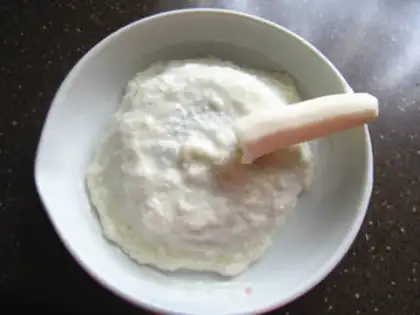
Mountain medicine is washed out of the skin and rinsed into mud, without this little tool for wiring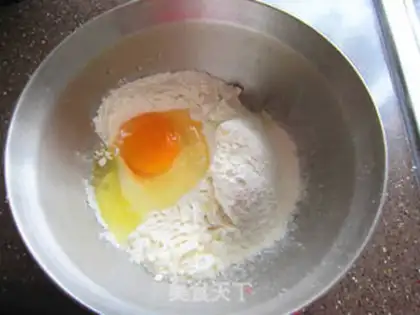
2
When the flour is sifted down, it is put into the bowl with the mud and eggs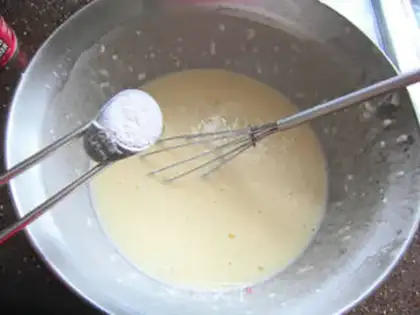
3
(b) Add water and powder, mix it evenly and sift it over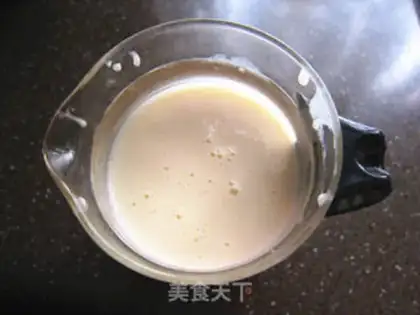
4
Put the paste in a mouthy container (for ease of falling into the mold) and put it on the side. At this point, other materials may be prepared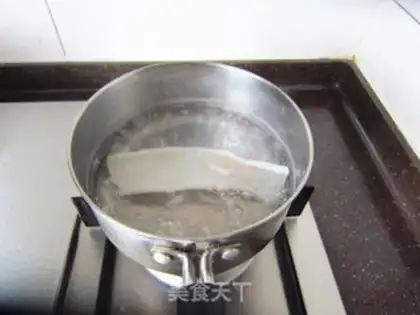
5
And the octopus is washed, and scalded in boiling water for 10 seconds, and cooled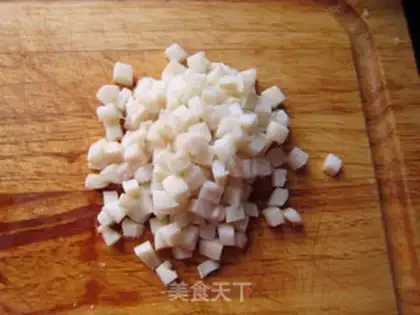
6
(b) Scraping of octopus (Squidfish)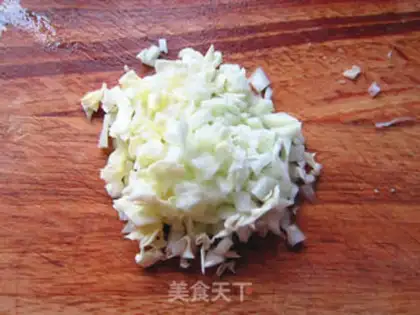
7
Sliced cabbage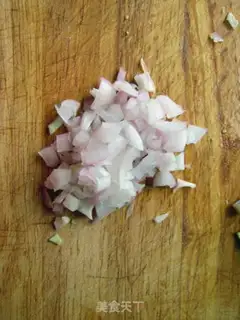
8
Onion cutting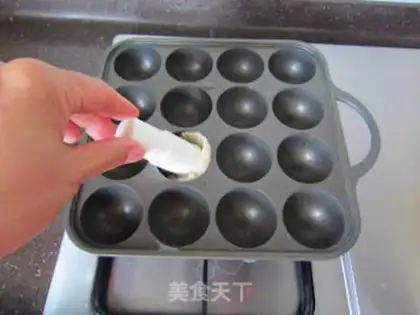
9
(b) Spreading a piece of peanut oil evenly in octopus burns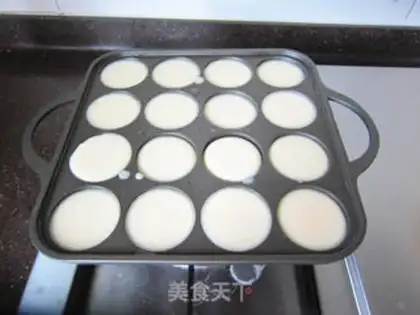
10
The fire burns the heat, turns the fire, throws the face into the mold, which is about eight or nine minutes full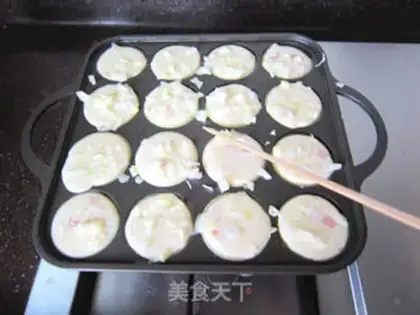
11
(a) The octopus (squid) grains, onions, cabbage grains are then distributed in each of the pills, and the materials scattered outside are inserted into the pills with bamboo stickers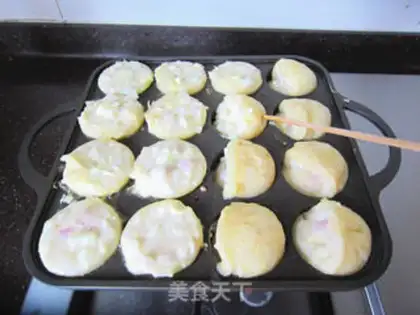
12
(a) A little fire, with a piece of bamboo sticker on the edge of the ball, a check of the feeling of the bottom condensed and hardened, and a half of the ball with a piece of bamboo stick, so that the upper face can flow down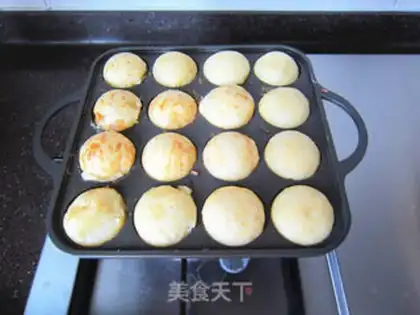
13
Turn over the whole body, the original bottom up, the pellets are in shape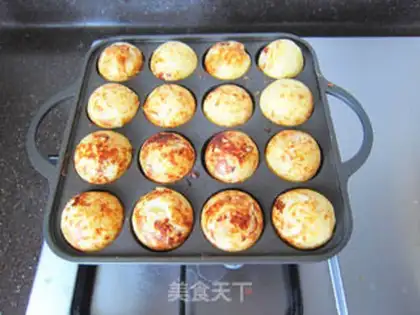
14
(a) Continue to fry, so that the ball can be tested several times, so that it can be evenly heated, so that it can go up and down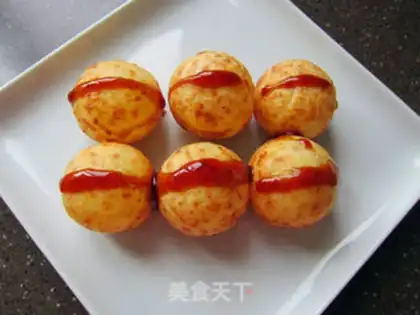
15
Pick out the pelvis and pour the juice first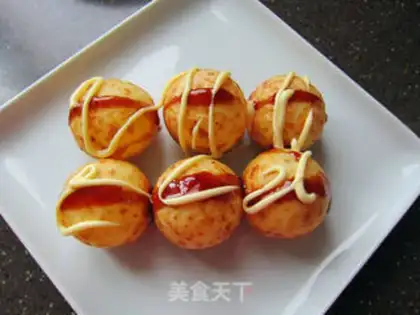
16
And salaf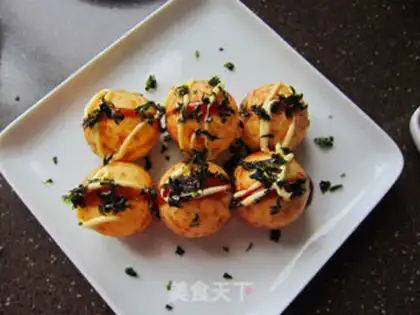
17
Then the seaweed broke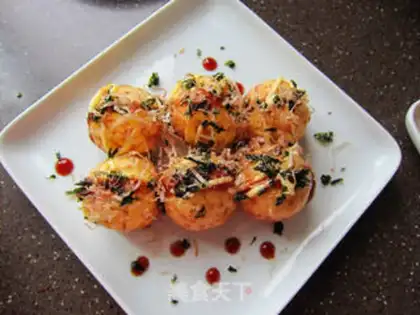
18
Finally, the woodfish flower. And the guacamole that is light, and dances in the heat of the bellsoctopus Make Tips
1. The ratio of water to flour in the batter is very important for whether the small balls taste good—it shouldn't be too thick or too thin; if too thick, the balls will be hard, and if too thin, they won't be easy to shape into rounds. Although this recipe has been precisely measured, different flours have different absorbencies, and different varieties of yam contain different amounts of water depending on the season, so you should still make fine adjustments according to the situation.
2. I used iron stick yam. The 50g refers to the weight after peeling; there will be some loss after grinding it into a paste, but that can be ignored. Sifting the batter is mainly to crush any lumps of flour, so the yam bits filtered out need to be poured back in.
3. Whether you use octopus, squid, or other types of seafood, the blanching time should be short; just cook them until done. If blanched too long, they won't taste good.
4. A small amount of baking powder is used in the ingredients, which should be essential. I tried making it without it, and also tried whisking the egg whites a bit, but the results were not good. Using aluminum-free baking powder gives a bit more peace of mind.
5. Finally, don't be too greedy when adding fillings; adding too many fillings will look unsightly and also affect the texture. (Note: I didn't get a chance to take a souvenir photo of that plate in the process pictures; it was snatched away from under the camera lens by my child.)