The soup cage
By VicentaLakin
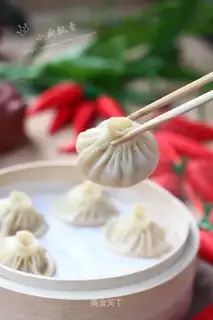
Today, chefs give you an open snack with traditional national characteristics - a soup cage. It's an open name, but it's not like a cage bag anywhere else! Chef's a native-born opener. Let's talk about the opening. The opening was one of China's six great ancients, with the historic opening of the “Fifteen Houses of Ki-ki Myung-hsi, from the ancient Empire State” and the “None in the Kingdom of Beijing”. From 364 B.C. to 1233 A.D., Wei, from the time of the war, was built here by five generations of beams, queens, hindsights and weeks, and seven dynasties of North Song and King. There are many monuments and monuments open, and special snacks are well-known. The chef takes this opportunity, and he sincerely hopes that his friends will have a chance to open the door, and then he'll be a guide for you. Today, let's try the soup buns made by the chef himself! Small cages are called soup buns, commonly known as soup buns. The buns were sold on the market in Tokyo (opened today) in the town of North Song, and were then named "The King House" in one of the seventy-two regular shops, under the title "The Caves of the Wall" and "The First in Kyoto". North Song Nam moved to Pian (Hangzhou) also known as "slubber." In the 1930s, the first-floor chef changed the steaming of the cage to that of the small cage, with the co-op on the table, beginning with the words “the small cage pouring soup and soup”。
Recipe Recommendations
- flour appropriate amount
- warm water appropriate amount
- meat appropriate amount
- broth appropriate amount
- MSG appropriate amount
- chicken essence appropriate amount
- soy sauce appropriate amount
- soy sauce appropriate amount
- cooking wine appropriate amount
- sesame oil appropriate amount
- white sugar appropriate amount
- salt appropriate amount
- Jiang appropriate amount
- salty and fresh
- steamed
- three-quarters of an hour
- senior
Steps for The soup cage
1
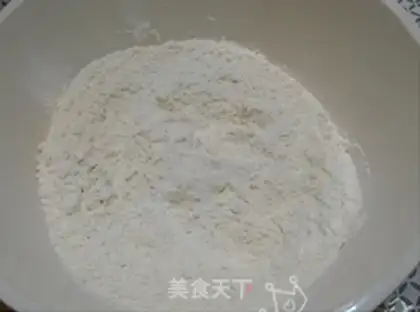
Put appropriate amounts of flour in the flour basin. Better be high-fried。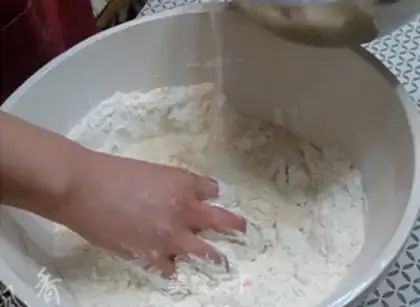
2
To pour in a moderate amount of hot water (in winter, with cold water and a little salt for the summer)。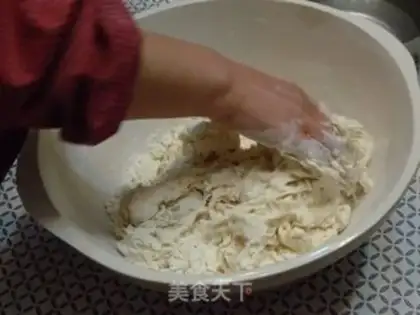
3
Lived in the shapes。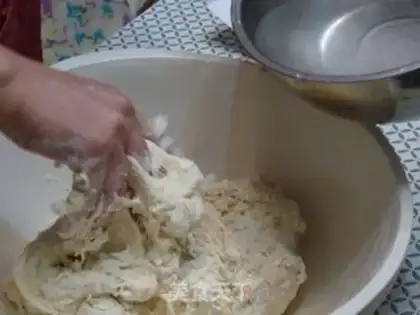
4
Keep warming the water。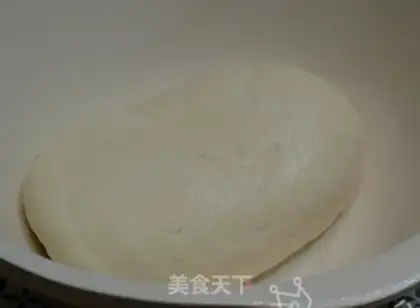
5
On several occasions, until the face was dry and wet, the pelvis, the handlight, the facelight。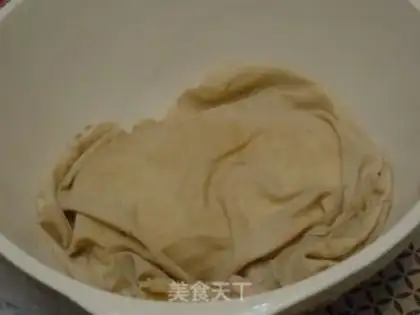
6
Cover up the wet cloth and make the noodles。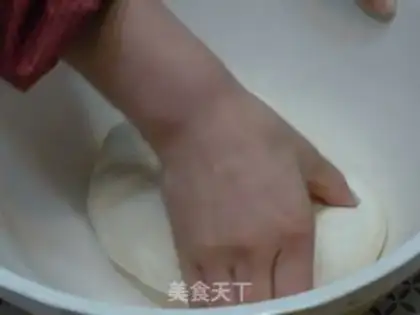
7
Ten minutes later, the face will continue to meet。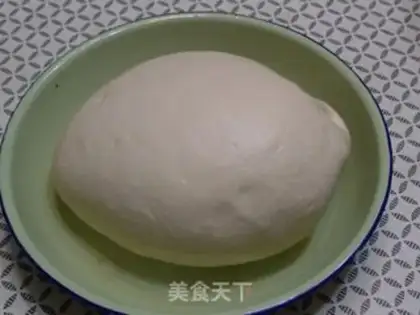
8
Repeatedly, it's very smooth and stretchy。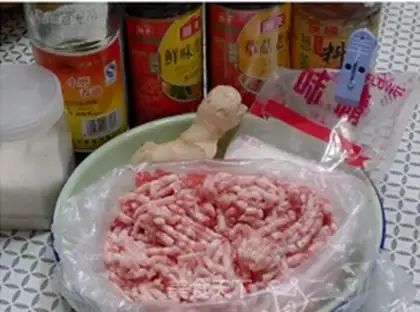
9
Get ready to tap the material. In general, the ratio of soup-filled meat and high soup is approximately 3:2。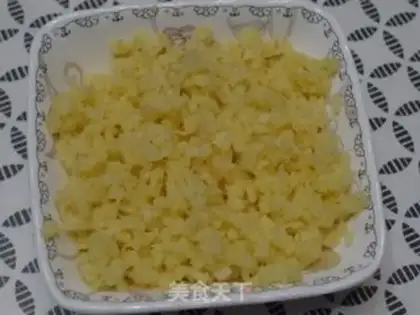
10
Ginger cut to the end。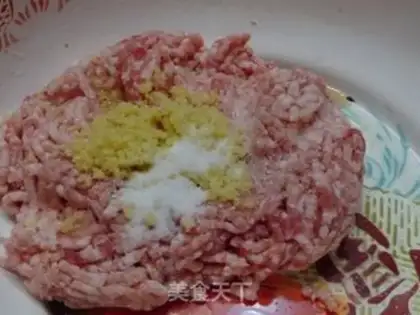
11
Take a large basin, pour it into a meat pap (around 500 grams), pour it into a spoon of ginger paste, a spoon of salt, a spoon of sugar, a spoon of chicken, a spoon of smell, two spoons of raw smoke, a spoon of old smoke, three spoons of perfume. (Sats can be adapted to their own tastes.)。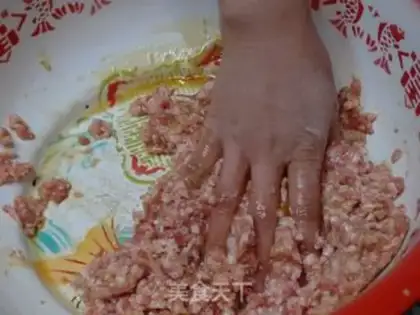
12
Crushing, crushing meat and fabricing, turning in one direction。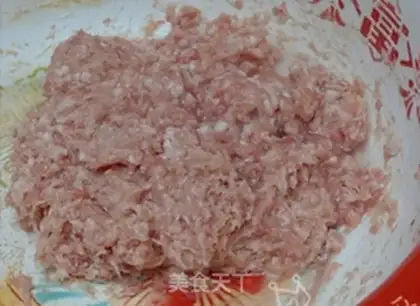
13
It's a complete mixture of meat and sorbent。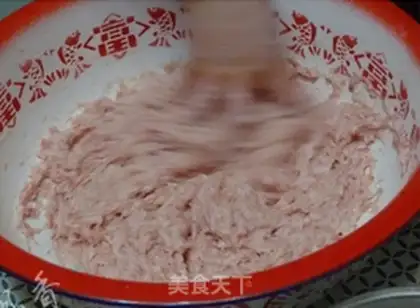
14
Join the soup and shake it with your hands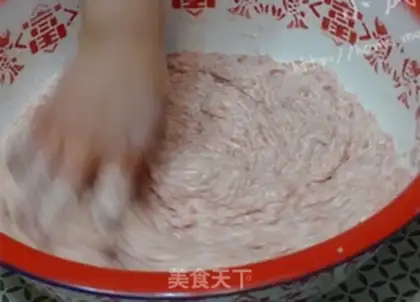
15
Join the soup, stir it up, add the soup up, stir it up, repeat it。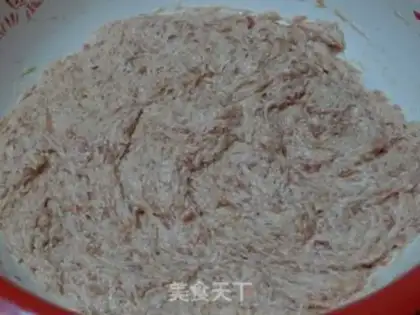
16
Until the pate and soup are fully integrated, the pate expands but condensates。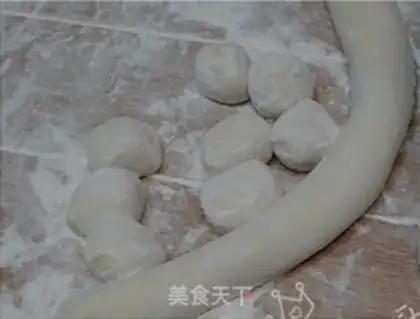
17
Take a nice face, rub a strip, cut it into the right size, and a bag of dumplings is about the same size。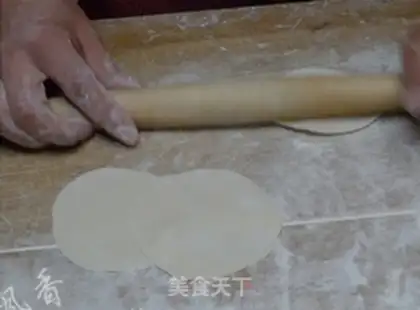
18
Push it and turn it into a film。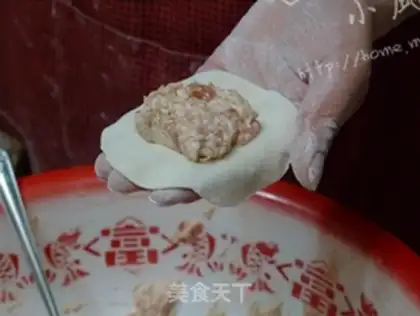
19
Pack in。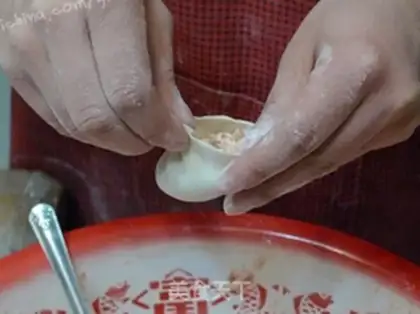
20
Condensed into 18-24 spores。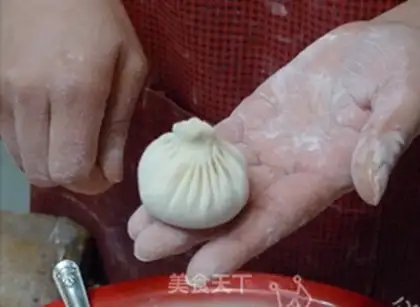
21
Cute little buns are packed。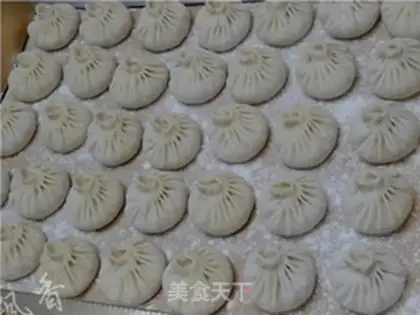
22
All wrapped up and left in five minutes。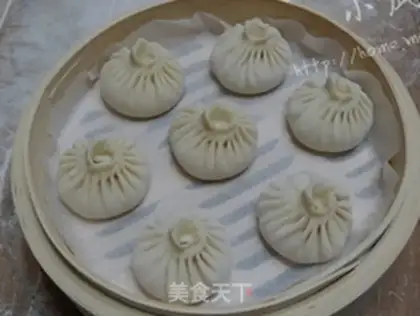
23
Put it in a steam cage, leave a gap。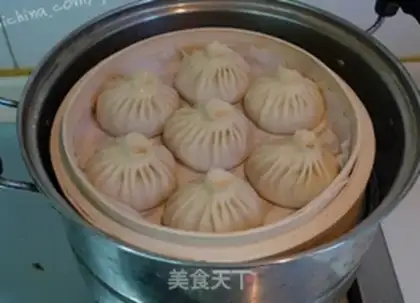
24
After the steaming of the steaming pot, it is put into the steam cage and the fire is evaporated for eight minutes。