baby food recipes
VicentaLakin
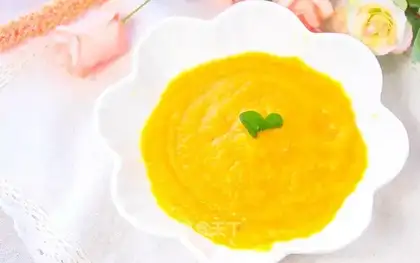
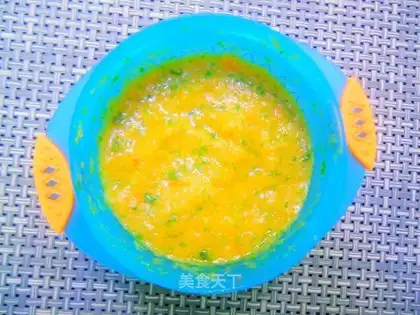
Root vegetables (e.g. potatoes, potatoes, pumpkins) are fertilized and broken for the baby. The leaves are cooked and broken. The main nutrients in carrots are beta-carrotin, which protects the vision of children. It is a lipid soluble substance, which is soluble only in oil and not in water. It is found in the cell walls of carrots, which are made up of cell blocks of cellulose, which cannot be directly digested. The walls of cells can only be broken through shredding, cooking and chewing, and beta-carrotin can be released and used for real digestion. The maintenance of nutrients such as beta-carrotin is highly relevant to cooking methods. Carrots have been dubbed the "Small People of the East". Carrotin enters the human body and can be transformed into a rich vitamin A with a series of enzymes and then absorbed into the body, thus compensating for vitamin A deficiency. Vitamin A has functions such as promoting normal growth of the organism, preventing respiratory infections and normal vision, and treating night blindness and eye drying. The abundance of vitamin C in the lettuce increases the immunisation of the baby. The raw vegetables contain minerals such as calcium, iron and copper, which are the main substances in the development of the baby ' s bones and teeth, as well as in the fight against osteoporosis; iron and copper promote the synthesis of haemoglobins, stimulate the development of red cells, prevent the appetite of the child, anaemia and promote growth. Monthly reference age: 6M+