Pork ribs is a general term referring to the ribs and spine left after the meat has been removed from pigs, cattle, sheep, and other animals. They have a small amount of meat attached, a combination of lean and fat, and a soft texture. They are suitable for braising, roasting, stewing, and making fillings, such as in the Chinese household dish, Braised Pork Ribs.
Pork ribs are rich in nutritional value. In addition to containing protein, fat, and vitamins, they also contain large amounts of tricalcium phosphate, collagen, and bone glue, which can provide calcium for children and the elderly. Furthermore, pork ribs also have the effects of nourishing yin, strengthening yang, replenishing essence, and nourishing blood.
Braised Pork Ribs
Pork Ribs
The most commonly eaten type of ribs is pork ribs. Pork is considered cooling in nature. From a nutritional perspective, pork ribs have the effects of nourishing yin and replenishing muscles, strengthening bones and muscles, and supplementing calcium. Fresh pork ribs have a reddish surface and are sticky to the touch. After a long time of stewing, the fat in pork can be reduced by 30-50%, unsaturated fatty acids increase, and cholesterol content is greatly reduced. Although pork is a daily food that can be consumed by both healthy people and those with certain illnesses, excessive consumption can lead to weakness and obesity, and eating too much or cold pork can easily cause gastrointestinal bloating, abdominal distension, or diarrhea. For fatty meat and lard, patients with hypertension or hemiplegia (stroke), as well as those with a weak and cold stomach, a weak and obese body, excessive phlegm-dampness, or undigested food should consume it with caution or in moderation.
Lamb Ribs
Lamb is warm in nature. Eating lamb in the winter not only increases the body's heat to resist the cold but also increases digestive enzymes, protects the stomach wall, repairs the gastric mucosa, and helps the spleen and stomach digest, playing an anti-aging role. It is also very beneficial for tuberculosis, bronchitis, asthma, anemia, postpartum qi and blood deficiency, cold abdominal pain, physical weakness and aversion to cold, malnutrition, weakness in the lower back and knees, impotence and premature ejaculation, and all types of deficiency-cold diseases. It has the effects of tonifying the kidneys, strengthening yang, and tonifying deficiency and warming the middle, making it suitable for men to eat regularly. Moreover, it can be consumed by the general population.
Rabbit Ribs
Rabbit meat is characterized by "four highs and four lows": high protein, high lysine, high lecithin, and high digestibility; low fat, low cholesterol, low uric acid, and low calories. The protein content in rabbit meat is as high as 70%, higher than most other meats, but its fat and cholesterol content are lower than all other meats, hence it is called "the vegetarian among meat dishes". The niacin content in rabbit meat is extremely high, 2-3 times that of other poultry and livestock. Niacin is also known as the anti-pellagra factor. Regular consumption of rabbit meat is beneficial for healthy skin, so it is also called "beauty meat". Friends who want better skin can eat more of it.
In addition to ribs, ingredients for rib dishes can include carrots (which can be replaced with potatoes according to personal taste), lotus root, bean sprouts, enoki mushrooms, tofu, shiitake mushrooms, and so on. Feel free to add as many of these as possible. These are all nutritious foods, and more importantly, they are very cooperative, adding a special charm to the rib soup.
From a nutritional perspective, foods that pair well with ribs:
Corn and Pork Rib Soup
Seaweed + Ribs: Seaweed is very nutritious, rich in protein, fat, carbohydrates, dietary fiber, calcium, phosphorus, iron, carotene, vitamin B1, vitamin B2, niacin, and various trace elements such as iodine. Stewing ribs with seaweed can relieve the suffering of patients with systemic or localized skin pruritus, especially in the limbs.
Sweet Potato + Ribs: Eating ribs and sweet potatoes together can remove greasiness and provide adequate dietary fiber.
Onion + Ribs: Has the effects of lowering lipids, sterilizing, anti-cancer, and anti-aging.
Ribs + Hawthorn: The meat becomes tender and rich with a slightly sour taste, and it has the function of removing freckles and resolving stasis.
Ribs + Corn: Corn is rich in nutrition. In addition to various nutrients, its protein and fat content are higher than rice and white flour, and half of its fat is linoleic acid, as well as lecithin, vitamins A and E, etc. Corn and Pork Rib Soup: When stewing ribs in the usual way, add a fresh corn cob, split and cut into pieces, when the ribs are about 70% cooked, then simmer for about 15 minutes. When stewing ribs, adding yellow tender corn not only makes the color nice, but also creates a meat-and-vegetable combination with complementary nutrition.
Cooking Tips:
1. For braised ribs, the finished ribs should be dry on the surface but slightly crispy, similar to fried ones. They are delicious whether eaten hot or cold.
2. It's best to buy spare ribs for this dish. They are smaller and easier to cook and season. After washing the ribs, marinate them with a little white wine to remove the gamey smell; no need to blanch them, as this helps preserve the original flavor.
3. It is recommended to use both light soy sauce and dark soy sauce. This will give the dish a good color and a delicious flavor. The amount of salt can be reduced, or you can taste it before serving and add more according to your preference.
4. When the sauce is almost dry, the ribs should be about 80-90% cooked. At this point, turn the heat to high and burn off the remaining sauce completely, but be sure to stir constantly to prevent burning. After the sauce has been reduced, continue to stir-fry the ribs. They will release their own oil. Use this oil to continue stir-frying for about 10-20 seconds for a pan-fried effect. The outer layer of the ribs will become golden and crispy, and they will remain delicious even when eaten cold!
The secret to tender steamed ribs:
Steamed Ribs with Black Bean Sauce
1. For ingredient selection, choose ribs with a mix of lean and fat. Do not choose all-lean ribs, as they lack fat and will become tough when steamed.
2. After mixing all the seasonings, the final step is to toss the ribs with a small amount of dry starch to form a thin paste on their surface. During the steaming process, this will help retain the moisture inside the ribs, making them more tender.
3. Black bean sauce contains oil, and the oil coating the ribs' surface can also achieve the same effect as the starch coating.
Choose the right ribs, and with the dual protection of oil and starch, these ribs will definitely be tender. Try it and you'll see.
Ribs and Medicinal Food Pairings:
Chinese Yam and Pork Rib Soup
Ribs + Astragalus + Red Dates + Tongcao: Tonifies qi, nourishes blood, and unblocks the meridians. Suitable for women with a flat chest due to qi and blood deficiency.
Ribs + Angelica + Codonopsis Root + Goji Berry + Chinese Yam + Coix Seed: Using pork ribs to combine several medicinal herbs that replenish qi and blood, warm yang, tonify the kidneys, and benefit the lungs. This has the effects of clearing and moistening the appetite, tonifying qi, and strengthening the spleen.
What to drink with ribs?
You can pair ribs with egg custard, millet porridge, mung bean porridge, or vegetable porridge. This combines meat with coarse grains and vegetables, diversifying your food intake.
Suitable for:
Silicosis patients: Helps eliminate the toxicity of silica dust and has the effect of preventing silicosis formation.
Chronically ill or post-operative patients: Has a good tonic effect for patients who are recovering from a long illness or are in the recuperation stage after surgery.
Women during pregnancy and postpartum: Is the best nutritional food for women during pregnancy, postpartum, and lactation.
Many friends say that drinking rib soup can supplement calcium. Can rib soup really supplement calcium?
The calcium in bones does not dissolve into the soup. Even if a small amount is released, it is not absorbed by the human body. The main components of meat bone soup are water and fat. You can directly use lean meat to make soup, and it is best to eat the meat along with the soup to achieve a calcium-supplementing effect. In fact, the best way to supplement calcium is through exercise and sun exposure.
You can add a little vinegar during the cooking process to promote the decomposition of calcium in the bones, which will have a certain calcium-supplementing effect after drinking. Furthermore, omitting salt from the rib soup will have a better calcium-supplementing effect. Calcium and sodium can easily compete for reabsorption in the renal tubules. When sodium intake is high, the body correspondingly reduces calcium absorption and increases urinary calcium excretion. Research has found: the more salt is consumed, the more calcium is excreted in the urine, and the worse calcium absorption is. It can be said that a high-sodium diet is a major enemy of calcium supplementation. Therefore, when supplementing calcium, it is important to pay attention to a low-salt diet and eat less or avoid foods with added sodium, such as smoked foods, pickles, and salty snacks. It is best to drink milk or take calcium supplements about 2 hours before or after meals to reduce the direct conflict between sodium and calcium. If you want to supplement calcium by drinking rib soup, you should add even less salt or no salt at all when simmering the soup.
 Corn ribs soup
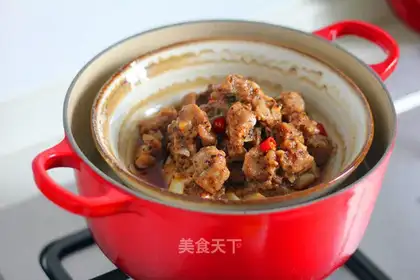 Steamed pork ribs with black bean sauce
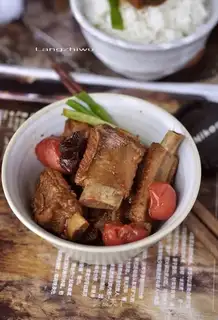 Red burn ribs
 Flower cake