Sufficient qi and blood are the foundation for a good appearance, and the spleen and stomach are the source of their production. Therefore, nourishing the spleen and stomach is equivalent to nourishing qi and blood. If the spleen and stomach are not healthy, even the best nourishment plans will be in vain. In winter, when replenishing the body, legumes are an indispensable part of the diet.
As the saying goes, "Replenish the body during winter." With the start of winter, many people have already begun preparing their nourishment plans for the season. However, to achieve good results from these supplements, you must first take care of your spleen and stomach. Otherwise, even the best medicinal herbs and ingredients cannot be absorbed by the body. Moreover, a healthy spleen and stomach are the prerequisite for a good complexion. Only with a healthy spleen and stomach can you have abundant qi and blood. How to nourish the spleen and stomach in winter? You might as well eat more legumes.
Five-Spice Boiled Soybeans
Winter Replenishment, Start with a Healthy Spleen and Stomach
Winter has officially arrived. Winter is a great season for replenishing the body, and many people have started their plans for this season. However, experts suggest that it's best to first strengthen the spleen and stomach before winter supplementation.
Many foods used for winter replenishment are rich and greasy, difficult to digest, and some are偏温补 (slightly warming and tonifying). For people with weak spleen and stomach function, it is recommended to regulate the spleen and stomach before taking supplements. If the spleen and stomach are not functioning well, their ability to transform and transport food is impaired. What is eaten cannot be digested and absorbed by the body, nor converted into the nutrients it needs. This not only wastes the supplements but may even have a counterproductive effect.
If the spleen and stomach are not functioning properly, taking tonifying substances can lead to the production of "fire," "damp-heat," or "phlegm," triggering physical discomforts such as colds, bloating, and poor appetite.
Legumes are a "great helper" for replenishing the spleen and stomach.
As the saying goes, "Eat three qian (about 9 grams) of beans daily, and you won't need medicine for a year." This means that if people eat some legumes every day, they can not only stay away from the troubles of disease but also help in the treatment of certain illnesses.
Furthermore, legumes are the best choice for nourishing the spleen and stomach in winter. From a Traditional Chinese Medicine (TCM) perspective, legumes share the common property of transforming dampness and tonifying the spleen, making them especially suitable for those with a weak spleen and stomach. However, depending on the type, their therapeutic effects also differ.
Soybeans
Nutritional Review:
Soybeans, known as the "king of beans," are called "plant meat" and the "green cow" for their rich nutritional value.
Among legumes, soybeans are a true star. TCM holds that soybeans are sweet and neutral in nature, and they act on the spleen and stomach meridians. They have the effects of clearing heat, promoting urination, and detoxifying. They are very effective for stomach heat accumulation and aversion to greasy food. At the same time, soybeans are a major source of protein.
Recommended Ways to Eat:
1. Drinking soy milk and eating soybeans regularly can not only nourish the spleen and stomach but also has a beauty-enhancing effect for women. After being made into soy milk, soybeans are more easily digested and transported by the spleen and stomach, helping to relieve bloating and clear heat and moisten the lungs.
2. Cooking an appropriate amount of soybeans with beef until tender and then eating them can strengthen the spleen and bones, and is also a high-quality dish for daily health for the whole family.
Hyacinth Beans
Nutritional Review:
Hyacinth beans are sweet and neutral in nature, acting on the spleen and stomach meridians. They have the effects of strengthening the spleen, harmonizing the middle jiao, replenishing qi, transforming dampness, and relieving summer heat. They can provide some auxiliary therapeutic effects for poor appetite, diarrhea, vomiting, and excessive vaginal discharge in women caused by a weak spleen and stomach.
Diabetics, due to a weak spleen and stomach, often feel dry mouth and tongue. It is best for them to eat more hyacinth beans normally.
Recommended Ways to Eat:
1. Cook 15 grams of white hyacinth beans, 30 grams of japonica rice, and 30 grams of Chinese yam into a porridge. Add an appropriate amount of brown sugar and stir well when the porridge is almost done. It has the effect of replenishing the spleen and stomach, regulating the middle jiao, and securing the intestines, and is suitable for people with loose stools and emaciation due to spleen qi deficiency.
2. Women can stir-fry hyacinth beans until cooked, grind them into a powder, and take 6-12 grams each time with glutinous rice wine or warm water to relieve the symptoms of excessive vaginal discharge.
Note: Hyacinth beans must be cooked thoroughly; otherwise, food poisoning may occur. It is best to usually eat them by braising or stewing.
Cowpea and Egg Pancake
Cowpeas
Cowpeas, also known as long beans, are common. TCM holds that cowpeas are neutral in nature, sweet and salty in flavor, and act on the spleen and stomach meridians. They have the effects of regulating the middle jiao and replenishing qi, strengthening the kidneys and stomach, and beautifying the body. They can treat vomiting, dysentery, and frequent urination.
The "Dian Nan Ben Cao" (Materia Medica of Southern Yunnan) states: "Cowpeas treat weakness of the spleen earth, opening the appetite and strengthening the spleen." Li Shizhen also praised it for its ability to "regulate the middle jiao and replenish qi, strengthen the kidneys and stomach, harmonize the five organs, regulate the nutritive qi and defensive qi, and produce essence." People with constipation should be cautious when eating cowpeas.
Recommended Ways to Eat:
Cowpeas + Wood Ear Fungus: Cowpeas have the effects of quenching thirst and strengthening the spleen, strengthening the kidneys and stopping diarrhea, and replenishing qi and promoting body fluids. Wood ear fungus, on the other hand, has the effects of replenishing qi, nourishing the stomach and moistening the lungs, cooling blood to stop bleeding, and lowering lipids and reducing weight. Therefore, eating cowpeas with wood ear fungus can help prevent and treat hypertension, hyperlipidemia, diabetes, and cardiovascular diseases.
Cowpeas + Corn: Corn porridge has excellent therapeutic effects for patients with a weak spleen and stomach, frequent urination and spermatorrhea, arteriosclerosis, coronary heart disease, hyperlipidemia, and hypertension. It is suitable for these patients to eat long-term, and the effect is even better when corn porridge is paired with cowpeas.
Mung Beans
Rice and Mung Bean Porridge
Mung beans are sweet and cold in nature, acting on the heart and stomach meridians. They have the effects of clearing heat and detoxifying, relieving summer heat and promoting urination, quenching thirst and relieving vexation, brightening the eyes and lowering blood pressure, moistening the throat and skin, and reducing fat and protecting the liver. They can be used for the prevention and treatment of summer heat vexation and thirst, sores and swellings, gastroenteritis, pharyngitis, and nephritic edema.
Of course, not everyone can eat mung beans. Eating too many mung beans can actually damage the spleen and stomach. Therefore, one must be moderate.
Recommended Ways to Eat:
1. Mung beans can be mixed with rice or millet to make staple foods like dry rice or congee. They can also be ground into flour to make pastries and snacks.
2. The starch in mung beans is also used to make vermicelli, bean noodles, and thickening starch. In addition, mung beans can be made into a fine paste for fillings.
3. Mung beans should not be cooked until they are too mushy, to avoid the destruction of organic acids and vitamins, which would reduce their heat-clearing and detoxifying effects.
Black Beans
Nutritious Black Bean Soy Milk
Black beans are nutritious and have the reputation of being the "king of beans" and the "flower of nutrition." Ancient health enthusiasts believed: "Swallowing fourteen black beans every morning is called the 'five-grain for the five organs,' and one will not decline in old age."
Black beans have the effects of tonifying the spleen and kidneys, nourishing yin and activating blood, calming the spirit and brightening the eyes, promoting urination and relieving strangury, and clearing heat and detoxifying. Long-term consumption of black beans can also prevent the formation of dark spots on the skin and make the skin finer and more lustrous.
Recommended Ways to Eat:
1. Black Bean Milk: Mix black beans, black sesame seeds, and milk together to make nutritious and delicious black bean milk. First, stir-fry the black beans and sesame seeds separately, then grind them in a food processor; this way, their nutrients are more easily absorbed by the body.
2. Black Beans Braised with Red Dates. Soak red dates in warm water for a moment, then wash them clean. Clean the black beans, simmer them over low heat for 30 minutes, then add the red dates and red sorghum. Cook until the black beans are tender and soft. Take them in the morning and evening separately to strengthen the spleen and stomach, invigorate blood, and promote urination.
Peas
Stir-fried Peas
Peas are sweet and neutral in nature, acting on the spleen and stomach meridians. Regular consumption can replenish the middle jiao and qi, strengthen the spleen and harmonize the stomach, and promote urination. They are suitable for symptoms such as qi stagnation, hiccups, chest tightness, and lower back pain. Pea congee is suitable for symptoms such as poor appetite and bloating caused by a weak stomach.
The tender pods and leaves of pea sprouts are rich in vitamin C and enzymes that can break down nitrosamines in the body, which can decompose nitrosamines and have anti-cancer effects. Peas are different from general vegetables in that they contain substances like stop acid, gibberellin, and phytohemagglutinin, which have antibacterial and anti-inflammatory effects and can enhance metabolism. Snow peas and pea sprouts contain relatively rich dietary fiber, which can prevent constipation and have a bowel-cleansing effect.
Recommended Ways to Eat:
1. Peas are suitable to be eaten with corn to achieve a complementary protein effect.
2. Peas are suitable to be cooked with foods rich in amino acids, which can significantly improve their nutritional value.
3. If you buy fresh green peas that are raw and not yet eaten, do not wash them and put them directly in the refrigerator. If they are shelled, they are suitable for freezing. It is best to eat them within a month.
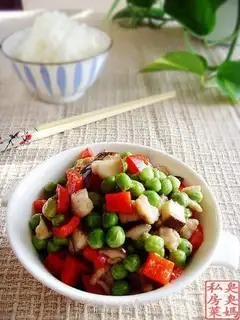 stir-fried peas
 Nutritional black bean milk
 Cowpea egg cake
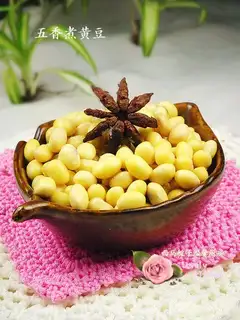 Five-spice boiled soybeans
 Homemade yogurt