We eat and drink every day, so food must pass through the digestive system for digestion and absorption. Our intestines are not straight; they are winding and full of folds. Over time, the intestinal walls accumulate a lot of food residue. The pH and temperature of the large intestine are very favorable for bacterial reproduction. Coupled with the nutrients from these food residues, these bacteria become toxins in the intestine, known as intestinal toxins.
So, what are the dangers of having too many intestinal toxins in the body? We all know the harm of fecal impaction, but the toxicity of intestinal toxins far exceeds that of normal feces. Intestinal toxins include a large number of harmful substances. If these harmful substances are not expelled from the body in time, they can damage the body's organs and make our skin worse. Therefore, it's no exaggeration to say that if we don't clear these intestinal toxins, we will become both fat and ugly.
What foods can help clear intestinal toxins?
1. Yogurt
Everyone knows the many benefits of drinking milk. Yogurt is a derivative of milk and is also very beneficial for our digestive system when consumed regularly. As we all know, yogurt is rich in lactic acid bacteria, which are very beneficial to our bodies. Lactic acid bacteria can maintain the ecological balance of intestinal flora, form a biological barrier, and inhibit the invasion of harmful bacteria into the intestines. They can also inhibit the growth of saprophytic bacteria in the intestines, reduce toxin production, and protect the brain and liver from the harm of these toxins.
Although yogurt is good, it should not be consumed on an empty stomach. It's best to drink yogurt two hours after a meal. Drinking a cup of yogurt after every meal can effectively prevent constipation.
Homemade Old Yogurt
2. Walnuts
When it comes to nuts like walnuts, many people first think of their brain-boosting and nourishing properties. Walnuts, also known as Persian walnuts, are highly nutritious, rich in protein, carotene, riboflavin, and minerals like calcium, iron, and phosphorus, earning them the titles "ten-thousand-year nut" and "longevity fruit."
In addition to boosting the brain, walnuts can also help moisturize the intestines and promote bowel movements, a fact many people may not know. Traditional Chinese medicine believes that walnuts are sweet and neutral in nature, entering the kidney, lung, and large intestine meridians. They have strong effects on invigorating blood, regulating menstruation, and removing stasis, helping to relieve dryness and moisten the intestines. If we insist on drinking a bowl of walnut and oatmeal every morning, the problem of constipation will disappear.
3. Grapefruit
Grapefruit is one of the fresh fruits in the fall season and is loved by many people. It has a fresh aroma and a sweet and sour taste. It has high nutritional and medicinal value and is recognized in the medical community as the fruit with the most therapeutic effect. Grapefruit is rich in vitamins, carotene, sugars, and minerals like calcium, iron, and zinc. In addition, the peel and seeds of grapefruit are also highly nutritious.
Because grapefruit is rich in the trace element potassium, it is considered the best fruit for treating high blood pressure and cardiovascular diseases. In addition, grapefruit also has the effects of strengthening the stomach, moistening the lungs, and clearing the intestines to promote bowel movements. Eating grapefruit regularly can help us expel toxins from the digestive system.
Grapefruit Peel Candy
4. Sweet Potatoes
Sweet potatoes are a common vegetable in the fall season, also known as yams and sweet potatoes. Sweet potatoes can be prepared in many ways, such as steaming, boiling, or roasting. They are rich in protein, starch, pectin, cellulose, and amino acids, earning them the reputation of "longevity food." Regular consumption of sweet potatoes can help prevent cancer, protect the heart, and aid in weight loss.
In the eyes of many people, sweet potatoes are eaten as a staple food. Indeed, sweet potatoes are rich in starch, which can increase the feeling of fullness in the stomach. However, sweet potatoes are very low in calories, so you won't gain weight even if you eat too much. Sweet potatoes are rich in fiber, which can help with bowel movements and moisten the intestines, making them one of the best foods for detoxification.
5. Onions
When it comes to vegetables like onions, many people have a love-hate relationship. We cry when peeling onions because of their pungent smell, but when used in cooking, onions can remove fishiness and enhance flavor. In fact, onions are highly nutritious. They contain prostaglandin A, which can reduce blood viscosity, help lower blood pressure, and prevent colds.
Onions have a pungent smell because they contain onion and garlic spicy compounds, which make us tear up, but this special smell can also stimulate gastric acid secretion and increase our appetite. Additionally, onions can increase gastrointestinal tension and promote intestinal peristalsis, showing significant therapeutic effects for atrophic gastritis and insufficient gastric motility. Therefore, we can eat onions appropriately to help with the body's detoxification.
[Tianjin] Fried Onion Rings
6. Black Fungus
Black fungus is the most outstanding "cleaner" for intestinal rejuvenation. The plant collagen it contains has strong adsorption ability and can quickly adsorb unhealthy substances left in the intestines, such as dust and impurities, and concentrate them for excretion, playing a role in cleaning the blood and washing the intestines.
The nutritional value of black fungus can be best utilized by a simple cold salad. The method is very simple: tear the soaked black fungus into small pieces, shred green and red peppers and carrots, blanch them together with the black fungus, let them cool, and then mix them according to personal taste.
7. Kelp
Traditional Chinese medicine experts point out that kelp is an alkaline food. The iodine it contains can promote the metabolism of triglycerides in the blood, prevent blood acidification, and help with bowel movements. It is also very low in calories and rich in dietary fiber, which can accelerate intestinal movement.
In addition, kelp contains alginic acid, which can reduce the intestines' ability to absorb radioactive strontium and excrete it from the body. While detoxifying and losing weight, it also helps prevent leukemia, killing two birds with one stone.
The best way to eat kelp is by steaming. Cut the kelp into large pieces, add pork filling, and roll it into a long roll. Steam it in a pot, then cut it into small, bite-sized pieces to enjoy. This method does not destroy the minerals in the kelp and effectively increases intestinal peristalsis.
Kelp and Egg Roll
8. Apples
There is a foreign proverb: "An apple a day keeps the doctor away!" Its most obvious health effect is promoting intestinal detoxification—the galacturonic acid and pectin it contains minimize toxins in the intestines; its soluble fiber effectively increases the excretion of fecal impaction, helping you say goodbye to a "pot belly" and ensuring normal intestinal function.
Many people like to peel apples before eating them, but this is not scientific. Because the apple peel contains many rich antioxidant substances that can slow down the aging of the intestines. Therefore, be sure to eat apples with their skin on!
Apple Pancakes
Once too many intestinal toxins accumulate in our bodies, our digestive function will inevitably be damaged, causing a series of health problems. The detoxifying foods recommended by the editor today are all common vegetables and fruits in our daily lives. You can eat them more often. Only by clearing the intestinal toxins in our bodies can we feel light, healthy, and beautiful forever.
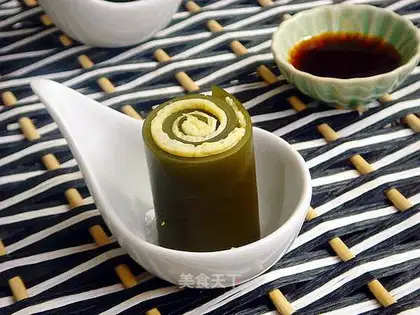 Sea belt egg rolls
 Apple Band
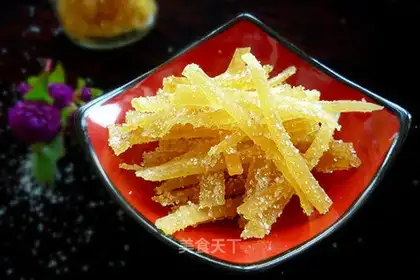 Grapefruit
 Homemade yogurt
 Strawberry Black Forest birthday cake