Common types of eggs include chicken, duck, goose, and quail eggs. Among them, chicken eggs have the largest production, are the most commonly consumed, and are most widely used in the food processing industry.
I. Chicken Eggs
Chicken Eggs with Rice Cakes
Nutritional Value: Chicken eggs are rich in protein, fat, vitamins, and minerals needed by the human body such as iron, calcium, and potassium. The protein is of high quality and helps repair liver tissue damage. They are also rich in DHA, lecithin, and lutein, which are beneficial to the nervous system and physical development, can enhance brain function, improve memory, and promote liver cell regeneration. Chicken eggs also contain relatively high amounts of vitamin B and other trace elements, which can decompose and oxidize carcinogenic substances in the human body, providing anti-cancer effects.
Cholesterol Content: 585 milligrams per 100 grams.
Effects: Sweet in taste and neutral in nature, it has the effects of nourishing the heart and calming the mind, nourishing the blood, and moisturizing yin.
Precautions: It is contraindicated for people with high fever, diarrhea, hepatitis, nephritis, cholecystitis, or cholelithiasis. For patients with high blood pressure, high blood lipids, or coronary heart disease, daily intake should not exceed one egg. Although chicken eggs are rich in nutrients, their vitamin C content is low, so they should be eaten with vegetables to ensure a balanced nutritional intake.
II. Duck Eggs
Nutritional Value: The protein content in duck eggs is comparable to that of chicken eggs, while the total mineral content is far superior, especially in iron and calcium, which can prevent anemia and promote bone development.
Cholesterol Content: 565 milligrams per 100 grams.
Effects: Sweet and salty in taste, cool in nature, it enters the lung and spleen meridians, and has the effects of greatly tonifying deficiency and fatigue, nourishing yin and blood, and moistening the lungs and beautifying the skin.
Precautions: It is contraindicated for those with insufficient spleen yang, damp-cold dysentery, and qi stagnation after eating. It is temporarily not suitable for consumption during illness.
III. Salted Duck Eggs
Nutritional Value: The nutritional value of salted duck eggs is similar to that of duck eggs, with a slightly higher mineral content.
Cholesterol Content: 647 milligrams per 100 grams.
Effects: Salted duck eggs are sweet in taste and cool in nature, entering the heart, lung, and spleen meridians. They have effects such as nourishing yin, clearing the lungs, enriching muscles, moisturizing the skin, and removing heat. Traditional Chinese medicine believes that salted duck eggs are more effective in clearing lung fire and reducing yin fire than un-pickled duck eggs. Eating them cooked can cure diarrhea and dysentery. The salted egg yolk oil can treat infantile indigestion, and when applied externally, it can treat scalds and eczema.
Precautions: Salted duck eggs are a therapeutic supplement for those with yin deficiency and fire excess. They are not suitable for pregnant women, those with insufficient spleen yang, or those with damp-cold dysentery. They are high in sodium, so patients with high blood pressure, diabetes, cardiovascular diseases, or liver and kidney diseases should consume them in moderation.
IV. Goose Eggs
Salted Goose Eggs
Nutritional Value: The yolk is rich in lecithin, far exceeding that of chicken eggs, which is extremely beneficial for the development of the brain and nervous tissue.
Cholesterol Content: 704 milligrams per 100 grams.
Effects: Goose eggs are sweet and warm in nature, and can tonify the middle and replenish qi. Consuming them in cold weather can nourish the body and defend against the invasion of the cold climate.
Precautions: Suitable for the elderly, children, the physically weak, and those with anemia, but not suitable for patients with internal organ damage.
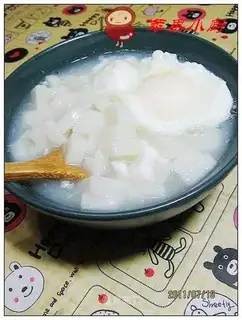 Cooking rice cake with eggs
 Pumpkin eggs