How do you protect your heart? By holding your nose to swallow a bad-tasting deep-sea fish oil capsule, a vitamin E capsule, or a garlic capsule? In fact, you might not know that the most beneficial foods for your heart are hidden in our traditional diets.
Here are the foods recognized by the nutrition community as the most powerful guests on the table for protecting your heart.
I. Almonds
Function: Prevents platelet aggregation and reduces the risk of heart disease. Oily nuts like peanuts and almonds are considered one of the daily must-eat foods beneficial for cardiovascular health in the United States. Nuts contain essential amino acids and unsaturated fatty acids that are good for the heart. Even eating nuts once a week can reduce the risk of cardiovascular disease by a quarter. Almonds are particularly recommended. Almonds are not only rich in protein but also in vitamin E and arginine, which function to open blood vessels, prevent platelet aggregation, and reduce the risk of heart disease. However, almonds are high in calories, so it's best to reduce the intake of other fats when eating them. How to use: Grind almonds into a powder and mix them into dishes or sprinkle them on rice. This not only adds texture but also allows for full absorption of almond nutrients.
Almond Tofu
II. Ginseng
Function: Tonifies Qi, but it's best to take it after a diagnosis from a Traditional Chinese Medicine (TCM) doctor. Ginseng, often used as a tonic, is not suitable for everyone. TCM believes that Qi-tonifying herbs can protect the heart muscle, enhance heart function, and help control high blood pressure. However, unless the constitution is truly weak, improper Qi tonification can have the opposite effect and worsen the condition. Ginseng should generally be used only when blood pressure is stable. It is not advisable to take large amounts of ginseng when blood pressure is unstable or immediately after bleeding. How to use: It's best to take it based on a constitutional analysis by a doctor, starting with a small amount.
III. Angelica Sinensis (Dang Gui)
Function: Nourishes the blood, but it's best to take it after a diagnosis from a TCM doctor. Angelica Sinensis, rich in vitamin B and minerals, has the effect of nourishing the blood. In traditional Chinese medical classics, it is also known for its function of invigorating blood and dispelling stasis, and is one of the herbs used to treat cardiovascular diseases. However, Angelica Sinensis is considered "heaty" in nature and is not suitable for those with a "heaty" constitution; it can also easily cause diarrhea for people with poor gastrointestinal function. How to use: It's best to follow the doctor's recommendations based on individual conditions.
IV. Job's Tears (Coix Seed / Yi Ren)
Function: Lowers cholesterol. High-fiber Job's Tears can not only whiten the skin but also its cholesterol-lowering effect is as good as that of oats. As a soluble fiber, Job's Tears can accelerate the liver's excretion of cholesterol. Experiments have found that after subjects took Job's Tears for one month, their blood cholesterol levels decreased significantly, and Job's Tears also contains other unknown components for lowering blood lipids. You can make simple Job's Tears rice yourself; use one cup of Job's Tears to one and a half cups of water, and cook it in an electric rice cooker. After cooking, divide it into small packages and freeze them. When cooking rice, you can slightly thaw the frozen Job's Tears and cook it together with the rice. This method not only controls the ratio of white rice to Job's Tears but also makes the Job's Tears softer through re-cooking. How to use: Cooking Job's Tears into a sweet soup can easily increase calories. The best way is to cook it as rice, making it part of the staple food.
Job's Tears and Red Bean Congee
V. Black Sesame
Function: Prevents vascular hardening. Black sesame, containing powerful antioxidant components, can not only slow down aging and keep hair black but also make blood vessels more elastic. The unsaturated fatty acids and lecithin in black sesame can maintain vascular elasticity, prevent atherosclerosis, and are a high-quality source of fat. Rich in iron and vitamins, black sesame is also considered a TCM food that can nourish the blood and the five organs. Regular consumption can also achieve the effect of softening stools to prevent constipation. How to use: The nutrients of sesame are hidden in the seeds, so they must be bitten open to be effective. It is recommended to briefly dry-roast raw sesame first to release the active ingredients through heat. Alternatively, grind black sesame into a powder and sprinkle it on rice or dishes to fully consume sesamin. The famous Hakka ground tea is a wise way to fully absorb nutrients, where black sesame, peanuts, green tea, etc., are ground into fine powder in a small mortar and brewed into a tea.
Black Sesame Mantou (Steamed Bun)
VI. Soybeans
Function: Lowers cholesterol. Soybeans contain various essential amino acids for the human body, most of which are unsaturated fatty acids that can promote the metabolism of fat and cholesterol in the body. They are particularly rich in antioxidant substances, protein fibers, and monosaccharides, making them a good source of protein, very suitable for vegetarians as a staple food. Moreover, soybeans and rice have a complementary effect, forming a complete protein source. It is recommended to reduce the intake of fried soybean products and use soybean rice as a good source of protein instead. How to use: You can soak the soybeans in hot water for more than 4 hours before cooking, then change the water and cook. This can dissolve the oligosaccharides in soybeans that are prone to causing gas, thus preventing bloating.
VII. Spinach
Function: Prevents cardiovascular diseases. Spinach is rich in folic acid. There is already scientific evidence for the preventive effect of folic acid on cardiovascular diseases. Moreover, folic acid and vitamin B12 are more effective in preventing heart disease than vitamin E, garlic, and other nutritional supplements. Taking folic acid can reduce the risk of heart disease by 25%. In addition, the iron and trace elements in spinach can have a blood-nourishing effect. How to use: Spinach contains oxalic acid, which can affect calcium absorption when cooked with calcium-rich foods. It is best to blanch spinach in hot water first before stir-frying or mixing with bean products to avoid the precipitation of calcium oxalate. However, people with calcium oxalate stones or gout should avoid eating spinach.
Sesame Spinach
VIII. Wood Ear Mushroom
Function: Anticoagulant, prevents vascular thrombosis. The high fiber content of wood ear mushrooms can stimulate intestinal peristalsis, help with bowel movements, and accelerate the excretion of cholesterol. In addition, black wood ear mushrooms contain substances that prevent platelet aggregation, which have a good health care effect on arteriosclerosis, coronary heart disease, and obstructive stroke. However, because wood ear mushrooms have a laxative effect, they are not suitable for people who are prone to diarrhea. A special reminder: the hard, stem-like part at the front of the wood ear mushroom should be removed and discarded, as consuming it can increase triglyceride levels. How to use: Dried wood ear mushrooms have a higher fiber content. They can be soaked in water, washed, shredded, and then blanched in hot water. Season with ginger, sugar, white vinegar, and soy sauce for a light and refreshing summer dish.
IX. Kelp
Function: Prevents vascular blockage. Kelp, sea cucumber, etc., have the effect of softening hardness and dissipating stagnation, which can prevent thrombosis and increased blood viscosity, and prevent arteriosclerosis. Moreover, kelp is a soluble fiber that is easier for the large intestine to break down and absorb than general vegetable fiber, which can accelerate the excretion of harmful substances such as cholesterol. How to use: Can be used in soups or cold salads. However, kelp itself contains sodium, so it's best to use less seasoning.
Cold-dressed Kelp Threads
Kelp is a great thing; it's not only good for your health but also has a special texture, but pay attention:
1. When buying kelp, it's best to buy sun-dried. Although it's more troublesome to prepare, it's safer. Because some vendors add industrial dyes to the water used to soak kelp to make it look vibrant and green for better sales, which is extremely harmful to your health!
2. Kelp is best stewed until soft with meat to increase the absorption of its nutrients.
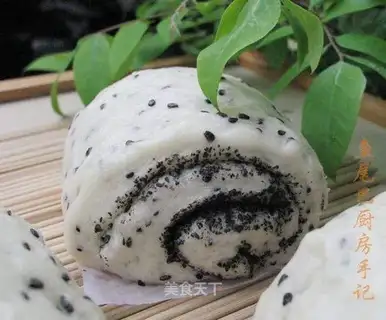 Black sesame steamed buns
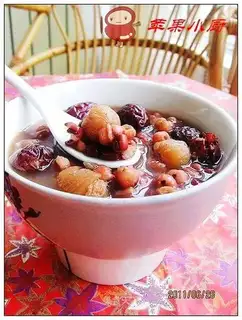 coix rice and red bean porridge
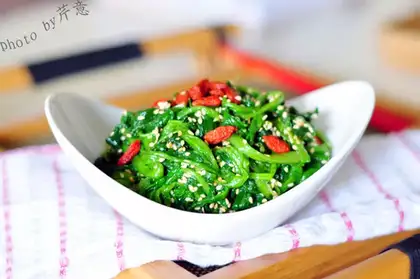 Sesame spinach
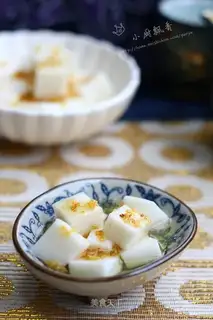 Almond tofu
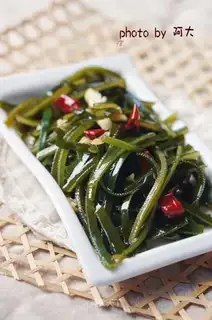 The seaweed