Want to protect your heart? Is it better to pinch your nose and swallow a bad-tasting deep-sea fish oil or vitamin E capsule, or to take garlic capsules? According to a recent report from Taiwan's "Common Health" magazine, the truth is, your own kitchen is full of heart-healthy foods.
1. Almonds
Prevents platelet aggregation. Research has found that eating nuts just once a week can reduce the risk of heart disease by a quarter, with almonds being particularly recommended. How to eat: Grind almonds into a powder and mix them into salads or dishes. This not only adds texture but also allows for full nutrient absorption.
Almond Milk Porridge
2. Job's Tears
Lowers cholesterol. Job's Tears are as effective as oats at lowering cholesterol. It is a type of soluble fiber that can accelerate the liver's excretion of cholesterol. How to eat: Job's Tears soup can be high in calories, so it's best to cook Job's Tears as rice.
3. Black Sesame
Prevents blood vessels from hardening. The unsaturated fatty acids in black sesame can maintain blood vessel elasticity and prevent atherosclerosis. How to eat: Chew them. The nutrients in sesame are hidden in the seeds, so you must crush the shell to be effective.
Pumpkin and Black Sesame Tangyuan (Sweet Rice Balls)
4. Soybeans
Lowers cholesterol. Soybeans contain multiple essential amino acids that can promote the metabolism of fat and cholesterol in the body, making them very suitable as a staple food for vegetarians. How to eat: Soak the soybeans in hot water for 4 hours first, then change the water and cook. This can dissolve the gas-producing polysaccharides in the soybeans, making them less likely to cause bloating.
5. Spinach
Prevents cardiovascular disease. Spinach is rich in folic acid, which is more effective at preventing heart disease than other nutritional supplements. How to eat: The best way to preserve folic acid is to stir-fry it quickly over high heat, which retains the most nutritional value.
Sesame Paste Spinach
6. Wood Ear Mushroom
Anticoagulant. Research has found that wood ear mushrooms contain nine anticoagulant substances, similar to the effects of onions and garlic. How to eat: Soak dried wood ear mushrooms in water, wash them, shred them, blanch them in hot water, and then dress them with shredded ginger, sugar, white vinegar, and soy sauce for a cold salad.
7. Kelp
Prevents vascular blockage. Kelp is a soluble fiber that can accelerate the excretion of cholesterol and also prevent arteriosclerosis. How to eat: Kelp itself contains sodium, so use less seasoning when eating it.
Celery Leaf Cornmeal and Egg Pancake
8. Celery
Lowers blood pressure. The apigenin in celery has a protective effect on the cardiovascular system. Moreover, the leaves have a higher vitamin C content than the stalks. How to eat: Choose tender leaves, blanch them in hot water, and they can be used for cold salads or in salads.
9. Corn and Corn Silk
Lowers blood pressure. Corn silk has a diuretic effect that helps stabilize blood pressure. How to eat: Wash the corn, add water, and cook it into a porridge. Boil the corn silk in water to make tea.
Carrot, Corn, and Chicken Soup
 almond milk paste
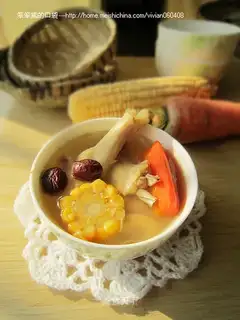 carrot corn chicken soup
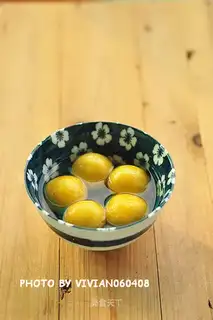 Pumpkin black and sesame soup
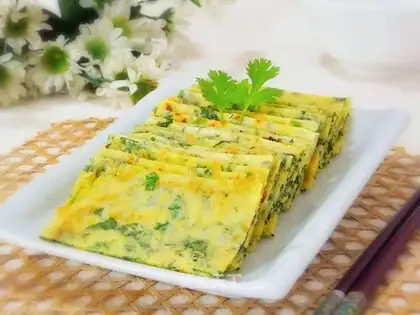 Celery tacos
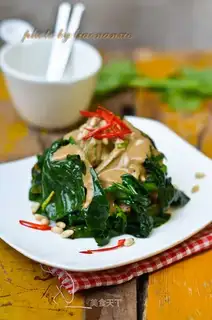 Pineapple