Beans, truly one of humanity's primary food sources, are nutritious and delicious!! Today, the editor will talk to you all about why beans are so great and how to eat them for the best results??
Oyster Sauce Soybeans
Dried beans, soybeans, and miscellaneous beans are a great team
Among all plant-based foods, only soybeans have a high protein content comparable to animal-based foods, with a protein content as high as 35% to 40%. Therefore, soybeans are hailed as "meat from the field," "king of plant proteins," and "green milk." The protein in beans is rich in lysine, making it an ideal food to complement the protein in grains (which have a low proportion of lysine). The fat content of soybeans is about 15% to 20%, of which 85% are unsaturated fatty acids, with linoleic acid as high as 50%. In addition, they contain more phospholipids that are beneficial for cardiovascular health. When combined with miscellaneous beans, their complementary and nutritional value is even richer.
Let's start with soybeans, a member of the vast bean family. Bian Huawei, Deputy Director of the Nutrition Department at the Third Affiliated Hospital of Sun Yat-sen University in Guangdong, introduces that besides having high protein and high unsaturated fatty acids, soybeans also contain a certain amount of B vitamins and trace elements such as calcium, iron, phosphorus, potassium, sodium, magnesium, and zinc.
The nutrients in soybeans can provide sufficient raw materials for the growth and development of brain cells and ensure the smooth progress of brain cell renewal. In addition, the calcium provided by beans can improve bone density and promote bone health.
Therefore, using bean protein to replace some animal protein in daily life can reduce the risk of excessive animal fat intake, and to a certain extent, can effectively prevent high blood pressure, lower blood lipids, and prevent cardiovascular diseases.
In addition to soybeans, a relatively special type of bean, there are also miscellaneous beans in dried beans, such as mung beans and red beans. Unlike soybeans, which are high in protein and can be considered a meat substitute, miscellaneous beans are mainly starch and can be considered a staple food. They are a great partner with soybeans, combining to become a "nutrition bomb."
Double-cooked Pork with Green Beans
Fresh beans are great to eat more in spring
Beans like green beans, peas, and cowpeas are very seasonal ingredients in spring. They are vegetables with high protein content and also a storehouse of vitamins, minerals, and dietary fiber. Green beans are particularly rich in B vitamins. They are also a rare vegetable that is high in potassium and magnesium but low in sodium. Whether shredded and stir-fried with pork, or served cold with a vinegar dressing, they are delicious. Similarly, the slender cowpeas are similar to green beans and can be blanched and then served cold. They are both very suitable vegetables for spring.
Round and fresh green peas can be stir-fried or used as a side dish. Bian Huawei states that the high potassium and low sodium characteristics of peas are beneficial for the prevention and control of high blood pressure, and the rich provitamin A can be converted into vitamin A in the human body. They are rich in methionine and cysteine, which is beneficial for the growth and development of teenagers, but note that the total protein content of peas is not high, so this effect is not very significant.
Special reminder: Green beans must be cooked thoroughly before eating, otherwise they can cause poisoning. To judge if they are cooked through, don't taste them randomly; you can check if the pods have changed from straight to wilted and their color from fresh green to dark green. Peas should not be steamed or boiled for too long, otherwise, their nutritional content will be lost.
Oyster Sauce with Chives and Bean Sprouts
Sprouts have top-notch nutrition
Mung bean sprouts are relatively high in vitamin C, and they also contain dietary fiber, B vitamins, calcium, phosphorus, potassium, sodium, and other nutrients.
Compared to mung bean sprouts, soybean sprouts have higher nutritional value. Soybean sprouts are crisp, fresh, and tender, and they also contain relatively high protein and vitamin C. He Xiaoqin, head of the Nutrition Department at Taizhou Hospital in Zhejiang Province, states that soybean sprouts also have high water and dietary fiber content. In general, they have effects such as clearing heat and detoxifying, and moisturizing the skin. In addition, soybean sprouts also contain B vitamins, calcium, phosphorus, potassium, and plant protein.
He Xiaoqin emphasizes that although the nutritional value of soybean and mung bean sprouts is high, there is a big gap compared to soybeans and mung beans themselves. For the same 100 grams, the nutritional content of sprouts, such as protein, is only one-tenth of that of dry beans. However, after dry beans become sprouts, the content of vitamin C and others increases accordingly. He Xiaoqin emphasizes that the common characteristic of soybean and mung bean sprouts is that they are cool in nature, so people with a weak spleen and stomach, diarrhea, or stomach ulcers should not eat them in large quantities.
Special reminder: When stir-frying soybean sprouts, be sure to master the time. Undercooked soybean sprouts often have a slightly astringent taste. Adding vinegar can remove the astringent taste and keep the sprouts crisp, fresh, and tender. Mung bean sprouts should be washed thoroughly before eating. It is best to add a little vinegar when cooking mung bean sprouts to reduce the loss of B vitamins. When stir-frying mung bean sprouts, use a hot pan and quick stir-fry to preserve their moisture and vitamin C.
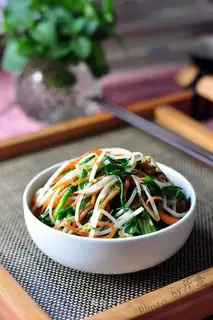 Pelican sprouts
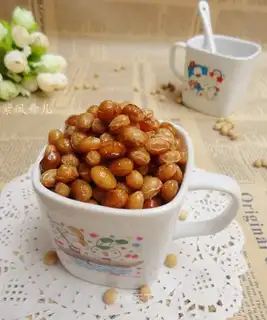 Pelican beans
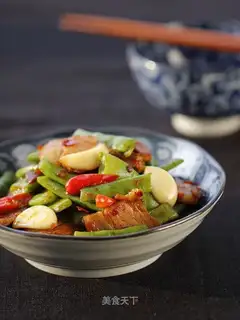 Four season beans back to the pot