During holidays and festivals, visiting relatives and friends, and overindulging in food and drink, it's common to experience gastrointestinal discomfort and digestive dysfunction. Recently, many people are returning to their normal routines of life and work. If these minor issues are not resolved in time, they can affect our work and daily lives. TCM experts introduce some simple tips to regulate your digestive system and give your stomach a "break."
1. To relieve indigestion, try hawthorn, dried tangerine peel, or radish
For those with poor digestive function, overeating can easily lead to indigestion, causing food stagnation, abdominal bloating and discomfort, a queasy stomach, acid reflux, and constipation. At this time, it's a good idea to eat foods that aid digestion, promote gastrointestinal motility, and help the stagnated food move into the intestines and be expelled from the body.
Hawthorn strengthens the spleen, whets the appetite, and aids digestion by resolving food stagnation. It is particularly effective for indigestion from meat and can also invigorate blood and soften blood vessels, offering certain health benefits for patients with cardiovascular and cerebrovascular diseases. Hawthorn can be consumed as a tea, in congee, or as hawthorn rolls or cakes.
Hawthorn Rolls
Dried tangerine peel regulates qi, strengthens the spleen, relieves bloating and stuffiness. It is very effective for improving indigestion, chest tightness, and abdominal bloating in those with spleen and stomach qi stagnation. It can also be cooked with hawthorn into congee or used in dishes.
Cooked radish benefits the spleen and stomach, aids digestion, and promotes the downward flow of qi. The rich fiber in radish can promote intestinal peristalsis, reduce the time stool stays in the intestines, and help expel toxins from the body. It can be made into shredded radish salad (blanched in boiling water first) or radish congee.
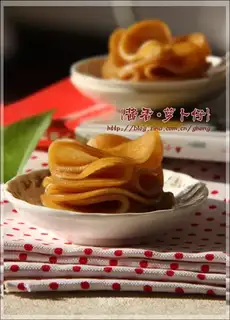
Pickled Baby Radishes
2. To cut through greasiness, try cabbage or tomato
During holidays, the dishes on the table are often high in protein, fat, and calories. Rich, greasy foods can impede the spleen and stomach and are not conducive to digestion and absorption. Some people lose their appetite for days after a heavy, greasy meal. In addition to eating foods that aid digestion and resolve stagnation, you can also eat fresh fruits and vegetables rich in dietary fiber, such as cabbage, celery, lettuce, tomatoes, cucumbers, corn, and apples, to promote intestinal motility and counteract the greasiness of food.
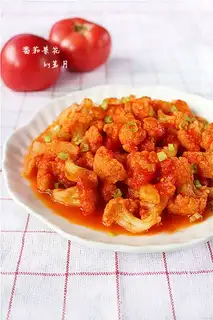
Tomato and Cauliflower
3. To soothe the stomach, drink a light congee
The irregular eating patterns during the Chinese New Year can be very hard on the digestive system. The preferred Chinese method for nourishing the stomach is drinking congee. The congee should be simmered until the grains are burst, thick, and soft, making it easier to digest and protecting the gastrointestinal mucosa. When you have no appetite and your digestive system is weak, a bowl of light congee will feel very soothing to the stomach. At the same time, you should quickly return to a normal eating routine. Once your digestive function returns to normal, you can resume your usual diet.
Pumpkin, Carrot, and Millet Congee
TCM experts remind everyone that if dietary adjustments cannot resolve gastrointestinal discomfort, it is advisable to seek medical attention to identify the problem promptly and receive medication if necessary. Although there are many ways to remedy a strained digestive system, maintaining a healthy diet is the fundamental solution.
 Pumpkin and carrot millet porridge
 Maotai-flavored radish
 Tomato blossoms
 Mountain rolls