Delicious food is loved by everyone, and eating the right things can strengthen your body. But if I told you that eating the wrong parts is no different from drinking poison, would you believe it? This is not a scare tactic; it's the truth. For these 10 common foods, if you eat the wrong part, the consequences can be truly serious!
One, Potato
Toxin: Alkaloids
Poisonous Part: Stems and Leaves
We have all heard stories about potatoes, whether it's the Irish Potato Famine or other related historical events. But you may not have heard that potatoes are also poisonous. The stems and leaves of the potato plant are toxic, and even the potato itself can be. If you've looked closely at a potato, you might have noticed some are slightly green, which is caused by the toxicity of glycoalkaloids. There have been rare cases of death from potato toxicity, mostly from drinking potato leaf tea or eating green potatoes. These fatal incidents are not sudden; the person often initially feels weak and then falls into a coma. Don't worry about an occasional green potato chip, but be sure to throw away potatoes that have sprouted or have green skins, and don't cook or eat them. Be especially careful not to give them to children.
Spicy Potato Boxes
Two, Apple
Toxin: Cyanide
Poisonous Part: The Core
Wherever you go, apples are definitely a popular fruit. Similar to other foods on this list, apples also contain cyanide, but in small amounts. The flesh itself doesn't contain any toxic chemicals, but in the core, you'll find cyanide. Eating an entire apple core won't be fatal, but it's definitely not good for you. Of course, if you eat too many cores (chewing and swallowing them), you could potentially have complications.
Three, Cherry
Toxin: Hydrocyanic Acid
Poisonous Part: The Pit
Cherries are one of the most versatile fruits; they can be eaten raw, cooked, baked, made into jam or candy, and even paired with certain wines. Despite their many benefits, cherries are poisonous. If you bite into a cherry pit without thinking and leave it in your mouth, you've likely swallowed hydrocyanic acid. Once a cherry pit is chewed or crushed, it automatically produces this acid. Symptoms of mild poisoning include headache, dizziness, confusion, anxiety, and vomiting. Large amounts of hydrocyanic acid can lead to difficulty breathing, high blood pressure, a rapid heartbeat, and kidney failure. Other reactions include coma and seizures, with the most severe cases leading to respiratory failure and death.
>Sausage Stuffed with MushroomsFour, Mushroom
Toxin: Amatoxins, etc.
Poisonous Part: 5% of mushrooms
There are about 5,000 types of mushrooms, of which about 100 are said to be poisonous, and fewer than ten are deadly. Nevertheless, mushrooms can cause stomach discomfort. Because mushrooms are fungi and there are so many varieties, it's difficult to tell which are poisonous and which are not. By experience, mushrooms that grow in the wild are often poisonous. Amatoxins are one of the deadliest mushroom toxins, causing severe liver damage. The "death cap" mushroom is also one of the poisonous varieties.
Five, Almond
Toxin: Cyanide
Poisonous Part: Raw Almonds
Most people always think of almonds as nuts, but they are actually seeds and are very popular in cooking worldwide. Similar to cashews, almonds are highly toxic if not heated in some form, and it's mainly bitter almonds that need this treatment, as they are rich in cyanide. In many countries, it is illegal to sell almonds that have not been processed to remove their toxins.
Almond Cookies
Six, Chili Pepper
Toxin: Capsaicin
Poisonous Part: The chili pepper
You've probably eaten chili peppers at some point in your life. Whether they were extremely spicy or not, every chili pepper you eat contains a chemical called capsaicin. In chili peppers, capsaicin is the source of the heat. Eating one chili pepper is no big deal, but if you eat too many, it could be life-threatening. This chemical is potent enough to be used as a paint remover and even in police pepper spray. In very hot peppers like the Habanero, the capsaicin content is so惊人 (amazing) that you'll feel a burning sensation on your skin the moment you cut it.
Seven, Cassava
Toxin: Cyanide
Poisonous Part: The Cassava
When used as an ingredient, cassava can be made to taste either sweet or bitter. Its taste and smell depend on the amount of cyanogenic glycosides it contains, a substance that is highly toxic. Most people who eat cassava prefer the bitter kind, as this taste deters insects and even animals. If the preparation is not done correctly before eating, it can be fatal. Because of its high cyanide content, cassava's toxicity can cause neurological diseases and even permanent paralysis.
Tomato and Cauliflower
Eight, Tomato
Toxin: Alkaloids
Poisonous Part: Stems and Leaves
Although tomatoes are popular in many countries, they are indeed poisonous. While the flesh itself is non-toxic, its stems and leaves are full of a chemical called glycoalkaloids. Wild tomatoes have higher levels of this substance, but even commercially grown tomatoes have some. This can cause stomach upset and anxiety. The stems and leaves can be used as a cooking flavoring, but they must be removed before consumption. This chemical is so effective that it is often used as an insecticide.
Nine, Pufferfish (Fugu)
Toxin: Tetrodotoxin
Poisonous Part: Certain organs
The pufferfish is the second most poisonous vertebrate in the world. While you can't eat it in the United States, many Koreans and Japanese consider parts of its flesh to be a delicacy. However, certain organs, like the liver, are extremely toxic and fatal. The toxin in the fish is called tetrodotoxin, which can cause symptoms like high blood pressure and muscle paralysis, leading to the victim's death due to diaphragm paralysis and respiratory arrest. Many Asians still find it hard to resist this dangerous delicacy.
Broccoli and Pufferfish Cubes
Ten, Cashew
Toxin: Urushiol
Poisonous Part: Raw Cashews
Although not a nut but a seed, the cashew has a shell-like structure and grows on a fruit. When you buy "raw cashews" at the store, make sure they are steamed and not completely raw. This is because raw cashews contain urushiol, the same toxic chemical found in poison ivy, which causes the body to have the same reaction as when contacting poison ivy or poison oak. Ingesting large amounts of urushiol can be fatal. While cases of cashew poisoning are rare, workers who shell them can sometimes experience side effects from close contact with the substance.
 almond crisps
 Sausage meat with mushrooms
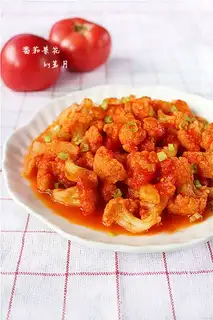 Tomato blossoms
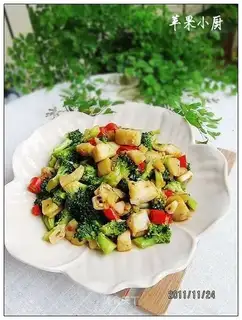 The orchid dolphin
 Spicy potato box