On a scorching summer day, do you feel an upset stomach and have no appetite? Don't worry, the editor recommends eating beans to get through the summer. The following six types of beans each have their own unique strengths. Let's take a look at which six beans can help us stay healthy and get through the hot summer.
6 Types of Beans for Summer, Each with Its Own Strengths
Mung Beans, to Clear Heat and Relieve Summer Heat
Mung beans are sweet in taste and cold in nature, capable of clearing heat, relieving summer heat, reducing swelling, and promoting circulation. The skin of mung beans contains a large amount of antioxidant components, such as flavonoids, tannins, and saponins; mung beans also contain alkaloids, phytosterols, and a large amount of dietary fiber.
Therefore, mung beans are especially suitable for consumption in the summer. They can be made into soups or congee, and sweetened mung bean paste can be iced. Mung bean and lotus leaf congee can also relieve heat sores, reduce redness and swelling, and prevent prickly heat.
Honey Mung Milk Tea
Red Beans, to Supplement Potassium and Reduce Swelling
Research shows that red beans are rich in various nutrients such as dietary fiber, potassium, magnesium, phosphorus, and B vitamins. They are especially good for replenishing the potassium lost from summer sweat, and are particularly suitable for people with poor heart or kidney function. Traditional Chinese medicine believes that red beans can clear heat and detoxify, strengthen the spleen and benefit the stomach, promote urination to reduce swelling, and relieve Qi stagnation and irritability, which is beneficial for reducing edema in the summer. Red beans' relative, the adzuki bean, has a stronger effect in promoting urination to reduce swelling and detoxifying to discharge pus.
Generally, red beans can be made into soups or congee, and can also be cooked with mung beans. Red beans can also be cooked with rice to make red bean rice, increasing the intake of whole grains. As the temperature gradually rises in mid-summer, the focus should be on strengthening the spleen, making red beans and kidney beans suitable to eat more of.
Coix Seed and Red Bean Congee
Soybeans, to Relieve Fatigue
In the summer, peanuts and soybeans are indispensable at northern-style food stalls. Soybeans are rich in plant protein, B vitamins, phytic acid, oligosaccharides, and trace elements such as potassium, magnesium, and iron. They are also high in dietary fiber. They help control blood sugar and blood lipids, relieve summer fatigue, replenish energy, and prevent anemia.
Soybeans boiled with seasonings like Sichuan peppercorns and star anise are delicious and make a great appetizer for drinking. However, it's important not to cook too much at once to avoid spoilage, and any leftover boiled soybeans should be put in the refrigerator promptly. When eating soybeans at a food stall, be mindful of whether they are fresh and if they have any off odors.
Cold-dressed Soybeans
Peas, to Improve Mood
Sweating in the summer accelerates the loss of B vitamins in the body, which can lead to irritability and a bad mood. Peas can become the "happy bean" of the summer. People are prone to spleen and stomach dysfunction, loss of appetite, and diarrhea in the summer. Traditional Chinese medicine believes that peas belong to the spleen and stomach meridians and have therapeutic effects such as stopping diarrhea, reducing swelling, and strengthening the spleen and stomach.
It is recommended to eat peas with foods high in calcium, such as sautéed peas with mushrooms, a small stir-fry of peas and mushrooms, or diced beef with peas are all good options.
Peas, Mushrooms, and Chicken Slices
Broad Beans, to Tonify Qi and Nourish the Brain
Summer is the season for broad beans. Besides being rich in nutrients like protein, dietary fiber, calcium, phosphorus, potassium, B vitamins, and carotene, they also contain phospholipids and choline, which have a certain effect on enhancing memory and brain health. Broad beans can be stir-fried, cooked into soup with eggs, or made into congee.
Broad Beans Stir-fried with Bacon
Hyacinth Beans, to Strengthen the Spleen and Remove Dampness
Hyacinth beans strengthen the spleen, remove dampness, nourish the stomach, and promote Qi circulation. They can detoxify and reduce swelling, which is perfectly suited for the current weather of high temperatures and heavy dampness. Hyacinth beans are also a "major source" of dietary fiber. For modern people who eat too much refined rice and white flour, if they have symptoms of constipation and "internal heat," it may be helpful to eat some hyacinth beans.
Hyacinth bean noodles, dry-fried hyacinth beans, and hyacinth bean with minced meat are all good dishes. It should be noted that if hyacinth beans are not cooked through, they can easily cause food poisoning, so be sure to cook them for a longer time when preparing.
Dry-fried Hyacinth Beans
You May Also Like:
Eat More Soybeans When Feeling Sleepy in the Summer
Eat More Beans for Spleen Deficiency in the Summer
Red Beans Cooked with One Ingredient for Superb Health Benefits
Whitening, Lowering Blood Pressure and Lipids: 8 Great Benefits of Eating Soybeans
 Mishuang mung bean milk tea
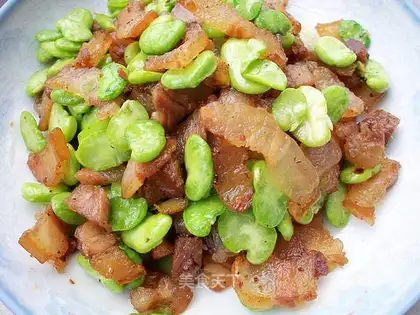 stir-fried bacon with broad beans
 Chicken slices with peas and mushrooms
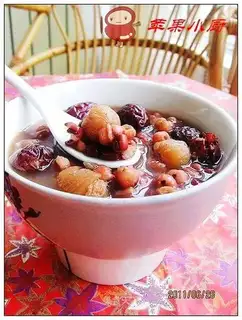 coix rice and red bean porridge
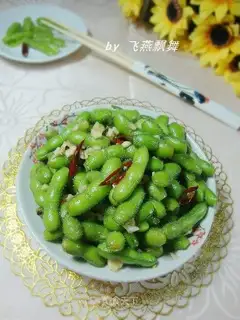 Cool beans
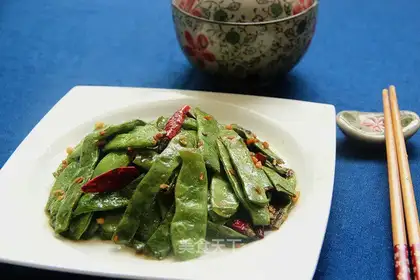 Dry lentils