Nowadays, there is a wide variety of sweet potato agricultural products. In the market, people can not only buy traditional sweet potatoes with red or white flesh, but also new varieties of purple sweet potatoes. What are the characteristics of different colored potatoes, and what should be noted when eating them? Today, let an expert explain it to you in detail.
The yellower the sweet potato, the higher the carotene content
In addition to containing large amounts of starch, soluble sugars, various vitamins, and various amino acids, the common sweet potato root also contains protein, fat, dietary fiber, and minerals such as calcium and iron. The color of the sweet potato flesh is related to its carotene content; the yellower the sweet potato, the higher the carotene content. Carotene is commonly deficient in people who smoke, drink, and eat few vegetables and fruits. Research has found that supplementing with carotene can effectively reduce nicotine levels in the blood of smokers. In addition, carotene can enhance the skin's resistance, prevent cancerous changes, and prevent the occurrence of cardiovascular diseases.
Shrimp, Tofu, and Sweet Potato Stew
The nutritional value of purple sweet potatoes is higher than that of common white sweet potatoes
Purple sweet potatoes are a type of sweet potato with purple to deep purple flesh. This variety was introduced from Japan to China in the 1990s. Currently cultivated purple sweet potato varieties include the Japanese Yamagawa purple sweet potato, the American black sweet potato, and the German black sweet potato. China has also bred its own varieties, such as Jishu 18, Jingshu 6, and Qunzi 1. They are categorized by appearance into types like purple vine with purple skin and purple flesh, purple vine with red skin and white flesh, purple vine with red skin and red flesh, green vine with purple skin and purple flesh, and green vine with yellow skin and red flesh.
The purple color of sweet potatoes is natural, belonging to the natural anthocyanin pigment class, found in the roots, stems, leaves, and skin of the purple sweet potato. When purple sweet potatoes are soaked in water for a long time, the water will change color. If purple sweet potatoes are steamed or cooked with rice, the rice will be dyed purple. These are all normal phenomena. The gelatinization temperature of purple sweet potato starch is high, and its swelling and solubility at various temperatures are lower than other starches, so the texture is relatively sandy, not sticky, and the flavor is milder.
The nutritional content of purple sweet potatoes is significantly higher than that of common white sweet potatoes. Its lysine, copper, zinc, and potassium content is 3 to 8 times higher than that of ordinary white sweet potatoes. In addition, it is also rich in selenium and anthocyanins. The health effects of selenium on the human body are mainly focused on anti-tumor and improving blood sugar. Studies have found that patients with coronary heart disease, Keshan disease, Kashin-Beck disease, and cataracts are generally deficient in selenium. Selenium's ability to scavenge free radicals in the body is very strong, which can effectively prevent lipid peroxidation caused by free radicals and reduce the incidence of related tumors, coronary heart disease, infections, and inflammation.
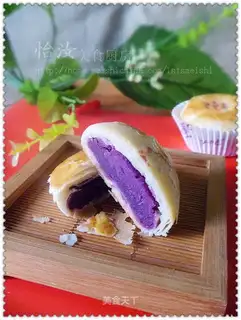
Purple Sweet Potato Crust Mooncake
Eating too many white sweet potatoes can cause bloating and acid reflux
White sweet potatoes, commonly known as sweet potatoes, are native to South America and were later brought to China with the development of navigation. Initially, they were planted in the southeastern coastal areas of China and gradually spread throughout the country. Therefore, in Guangdong, Fujian, and Hong Kong, sweet potatoes are also called "fan shu." As living standards have improved, many people have realized that eating too many refined foods, such as refined rice and flour, pastries, and sweets, can have many adverse effects on health. As a result, sweet potato foods have transformed from relief food in times of poverty to one of the health foods on the list.
White sweet potatoes are light in color, have a drier texture, and a milder sweetness. They contain a large amount of dietary fiber, which cannot be digested and absorbed in the intestines. It can stimulate the intestines to enhance peristalsis, promote bowel movements and detoxification, and is particularly effective for senile constipation.
The "Compendium of Materia Medica Supplement" mentions: "Those with fullness in the middle should not eat too much, as it can cause qi stagnation." People with high stomach acid should not eat too many sweet potatoes, as excessive consumption can cause acid reflux. Eating too many sweet potatoes produces a large amount of carbon dioxide in the stomach and intestines, causing intestinal bloating or increased stomach acid, leading to symptoms like heartburn and acid reflux. In addition, when eating sweet potatoes, they should be steamed or cooked thoroughly, or mixed with rice and flour.
Cheese and Scallion Baked White Sweet Potato
Because sweet potatoes themselves are high in starch, especially red sweet potatoes which are sweet and sticky, it is not recommended to cook them by frying or adding sugar, so as not to give the body too much energy. People who are obese or have abnormal blood sugar should especially avoid desserts like candied sweet potatoes. However, because white and purple sweet potatoes have a sandy texture, they can be cut into pieces and cooked into congee with rice, or steamed and mashed with flour to make sweet potato cakes.
You may also like:
Anti-cancer Foods Revealed: Sweet Potatoes Take the Top Spot
Purple Sweet Potatoes Fight Fatigue and Aging: Six Delicious Purple Sweet Potato Recipes
How to Eat Sweet Potatoes for More Nutrition? A Full Reveal of Nutritional Value
Sweet Potatoes Are Nutritious and Can Fight Cancer: This Is How to Eat Them Effectively
 Fresh shrimp, tofu and sweet potato casserole
 Potato macaroni
 Scorch