"Turbid blood leads to a hundred illnesses, purified blood eliminates diseases," blood and health are intricately linked. However, as we age, excessive lipids in the blood vessels over a long period can easily lead to arterial plaque. Once this plaque ruptures, it can form a thrombus, potentially blocking blood vessels and causing critical illnesses such as cerebral infarction and myocardial infarction.
8 Foods to Cleanse Your Blood Vessels
1. Black Beans
Many people know that black beans can darken hair, but in fact, they can also generate blood. The anthocyanins contained in black beans, a type of polyphenol, are excellent for blood health and are easily absorbed by the body. They help with blood circulation, regulate gastrointestinal function, and boost metabolism, actively transporting nutrients throughout the body to give women a rosy complexion and balance their endocrine system.
2. Black Fungus
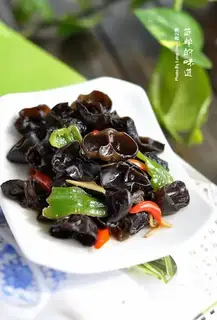
Black fungus has functions such as replenishing Qi, strengthening the body, nourishing the kidneys, and nourishing the stomach. It can prevent blood clotting, inhibit thrombosis, lower blood lipids, reduce blood viscosity, soften blood vessels, ensure smooth blood flow, and reduce the risk of cardiovascular diseases. Black fungus also has a strong adsorption effect; regular consumption helps expel waste from the body in a timely manner.
Sour and Spicy Black Fungus
Extended Reading: A Complete Guide to Eating Black Fungus
3. Ginger
The substances in ginger, such as gingerone and shogaol, have anticoagulant properties. Consuming some fresh ginger or ginger powder regularly can help maintain healthy blood.
4. Kiwi
Kiwifruit is exceptionally rich in vitamin C. Every 100 grams of kiwifruit contains 69 milligrams of vitamin C, an essential ingredient for synthesizing collagen. When the body has sufficient collagen, it helps create flexible blood vessels and has a regulatory effect on blood pressure.
When juicing kiwifruit, it is best to keep the peel, as it also contains nutrients that purify the blood and can enhance the juice's flavor.
Vinegar-Soaked Black Beans
Extended Reading: A Complete Guide to Eating Black Beans
5. Eggplant
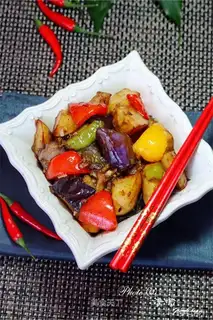
Eggplant is rich in vitamin P, which helps soften blood vessels, enhance their elasticity, and prevent the rupture of capillaries.
6. Green Tea
Green tea can lower the body's cholesterol and triglyceride levels. It also contains a special component, catechol, which prevents blood oxidation, helps prevent increases in blood pressure and blood sugar, and promotes smoother blood circulation. Studies indicate that drinking more than 3 cups of green tea daily is necessary for the body to fully absorb the nutrients required by the blood.
Sautéed Eggplant with Potatoes and Green Peppers
Extended Reading: A Complete Guide to Eating Eggplant
7. Onion
The quercetin in onions has a remarkable effect. It prevents free radicals from damaging arterial vessels, keeping the inner walls of the arteries smooth and elastic.
8. Soba Noodles
Soba noodles also contain vitamin B1, essential for blood circulation; vitamin B2 and choline, which promote metabolism; and niacin. These nutrients can improve hyperlipidemia, purify the blood, and strengthen blood vessels. The nutritional value of soba is remarkably well-balanced, and its unique lysine, tryptophan, and methionine are all essential amino acids for blood health, so it can be consumed frequently.
Scrambled Eggs with Onion
Extended Reading: A Complete Guide to Eating Onions
You may also like:
Eating More Seaweed Can Prevent Cardiovascular and Cerebrovascular Diseases
10 Foods Beneficial for Cardiovascular Health That You Must Eat More Of!
6 Lifestyle Habits to Slow Down Vessel Aging
Shiitake Mushrooms Prevent Arteriosclerosis, Black Fungus is a Blood Vessel Scavenger
 Spicy black ear
 Jealous and black beans
 The ground is fresh
 Rice steam cake