Autumn is a suitable season for nourishing the body, but one should not blindly supplement their diet. Consuming excessive amounts of rich food can increase the burden on the spleen and stomach. Here, I recommend four vegetarian foods with tonic properties that can both replenish the body and nourish the spleen and stomach, achieving two goals at once.
1. Sweet Potato
Also known as yam, taro, batata, or white potato. The "Compendium of Materia Medica" records that sweet potatoes have the effects of "nourishing deficiency, replenishing vital energy, strengthening the spleen and stomach, and reinforcing kidney yin," which can make people "long-lived and less susceptible to disease." They can also tonify the middle jiao, warm the stomach, and calm the five organs, making them suitable for replenishing deficiency.
Frequent consumption of sweet potatoes can also maintain the elasticity of blood vessels, prevent atherosclerosis, and provide a certain protective effect on the cardiovascular system.
Milky Sweet Potato Chips
Extended Reading: A Complete Guide to Eating Sweet Potatoes
2. Taro
Also known as fragrant taro or dasheen. Traditional Chinese medicine believes that taro is neutral in nature, sweet and spicy in flavor, and enters the large intestine and stomach meridians. It has multiple effects, such as benefiting the stomach and promoting fluid production, relaxing the bowels to relieve constipation, resolving phlegm and dissipating nodules, and tonifying the middle jiao and replenishing qi. It is very suitable for replenishing deficiency.
Regular consumption of taro can nourish the liver and kidneys, enrich essence and marrow, strengthen the stomach and harmonize the middle jiao. It is especially suitable for the elderly with a weak spleen and stomach, those with intestinal diseases, or those who are weak after a long illness, making it an excellent food for autumn nourishment for the elderly.
Braised Pork Ribs with Taro
Extended Reading: A Complete Guide to Eating Taro
3. Lotus Root
Traditional Chinese medicine believes that raw lotus root is sweet and cold in nature, and enters the heart, spleen, and stomach meridians. It has the effects of clearing heat and promoting fluid production, tonifying the spleen to whet the appetite, and stopping diarrhea. Cooked lotus root is warm in nature and has the effects of benefiting the stomach and strengthening the spleen, nourishing blood, and replenishing qi. Therefore, cooked lotus root is needed to replenish deficiency, and it has good tonic effects for those with a weak spleen and stomach or deficiency of qi and blood.
Purple Cabbage and Lotus Root Slices
Extended Reading: A Complete Guide to Eating Lotus Root
4. Chinese Yam
Chinese yam is nutritious and has been regarded as an excellent and inexpensive remedy for deficiency since ancient times. It can be used as a staple food, a vegetable, or even made into snacks like candied haws. It has the effects of strengthening the spleen and stomach, aiding digestion, nourishing the kidneys and essence, benefiting the lungs and relieving coughs, lowering blood sugar, and prolonging life. It is suitable for diabetics, those with abdominal bloating, the post-illness weak, patients with chronic nephritis, and those with long-term diarrhea.
Extended Reading: A Complete Guide to Eating Chinese Yam
You may also like:
Autumn temperatures change greatly, nourish your body with these 5 foods!
4 "unpalatable" foods that are even better for your health!
For autumn nourishment, these 4 meats are suitable to eat
Autumn Diet: "Three Dos and Six Don'ts" for Health Preservation
 ♪ The purple tan ♪
 Cream chips
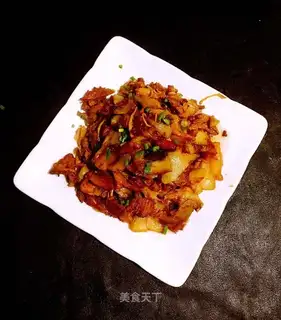 Spicy pork