All electronic devices emit radiation, especially for people who use computers and mobile phones daily. Without proper protection, the skin can easily be damaged. So, what foods can help prevent radiation damage?
Foods that protect against radiation
1. Foods rich in Vitamin A and beta-carotene
Representative foods include cod liver oil, animal liver; chicken, egg yolks; broccoli, carrots, spinach, etc. The vitamin A and beta-carotene in these foods can effectively protect the eyes. Natural beta-carotene is a powerful antioxidant that can effectively protect human cells from damage, thus preventing cancer. Long-term consumption of carrots can reduce the harm from radiation and excessive ultraviolet exposure. Currently, natural beta-carotene is also used in cosmetics for its radiation protection, moisturizing, and anti-aging effects.
2. Foods rich in lycopene
Representative foods include tomatoes, watermelon, red grapefruit, and other red fruits. Lycopene is found in many red fruits, with the highest concentration in tomatoes. Lycopene is the most powerful antioxidant carotenoid discovered to date, with 100 times the antioxidant capacity of vitamin E. It has a strong ability to scavenge free radicals and is known for its anti-radiation, prevention of cardiovascular and cerebrovascular diseases, boosting immunity, and anti-aging effects, earning it the title of "plant gold".
Stir-fried Broccoli with Carball Balls
Further reading: A Complete Guide to Eating Broccoli
3. Foods rich in Vitamin E and Vitamin C
Representative foods include various beans, olive oil, sunflower oil; cruciferous vegetables like mustard greens, cabbage, and radishes; fresh fruits like fresh jujubes, oranges, and kiwis. Both Vitamin E and Vitamin C are antioxidant vitamins that can reduce the peroxidation reaction caused by computer radiation, like putting on a "radiation-proof coat" for our skin, thereby reducing skin damage. Additionally, fresh fruits and vegetables have anti-radiation effects because they can make the blood alkaline, dissolve toxins precipitated in cells, and expel them through urine.
4. Foods rich in collagen and elastin
Representative foods include kelp, seaweed; animal skin, bone marrow, etc. Kelp is a nemesis of radioactive substances, reducing damage from isotopes and rays to the body's immune function and inhibiting the apoptosis of immune cells, thus having anti-radiation effects. Furthermore, kelp acts as an "internal cleanser" for the body as it is an alkaline food that helps maintain a slightly alkaline internal environment. The gelatin in kelp and the collagen in animal skin and bone marrow have an adhesive effect that can bind radioactive substances in the body and excrete them. Moreover, the elastin in animal skin also has the function of repairing damaged skin.
Kelp, Tofu, and Lamb Chop Soup
Further reading: A Complete Guide to Eating Kelp
5. Foods rich in selenium
Representative foods include sesame seeds, malt, and Astragalus; yeast, eggs, beer; seafood like lobster and tuna; garlic, mushrooms, etc. The trace element selenium has antioxidant effects and works by blocking the body's peroxidation reactions to provide anti-radiation and anti-aging benefits. Foods rich in selenium are best represented by sesame seeds, malt, and Astragalus.
6. Foods rich in lipopolysaccharides and Vitamin A precursors
Representative foods include green tea, mung beans, etc. Modern medical research has confirmed that mung beans and green tea contain lipopolysaccharides and Vitamin A precursors, which help expel toxins from the body, accelerate metabolism, and effectively resist various forms of pollution.
Sautéed Dried Tofu
Further reading: A Complete Guide to Eating Mushrooms
You may also like:
Preventing Radiation: These Foods Are Indispensable
For Computer Users: Effective Teas to Prevent Radiation
8 Must-Eat Anti-Radiation Foods for Pregnant Women
5 Recommended Anti-Radiation Plants for a Beautiful Office Desk
 Seaweed tofu lamb chop soup
 Cracky little buns
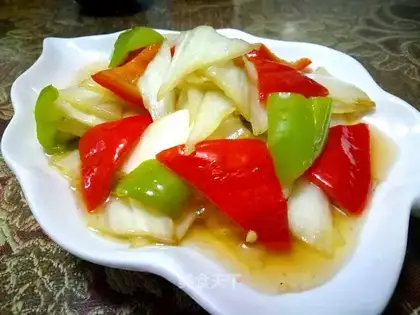 Sour cabbage