Winter has arrived, so everyone must take measures to protect against the cold, especially for your hands and face. If proper warmth is not maintained, it's easy to get chilblains. Below, the editor will introduce some medicinal diets for treating chilblains and methods for preventing them, hoping this will be helpful to everyone.
I. Medicinal Diets for Treating Chilblains
1. Braised Mother Hen with Angelica and Codonopsis
Ingredients: 1 mother hen (approx. 1250g), 15g Angelica sinensis, 15g Codonopsis pilosula.
Method: Place Angelica sinensis, Codonopsis pilosula, scallions, ginger, cooking wine, and fine salt into the cleaned abdominal cavity of the hen. Put it in a pot, add water, and simmer over low heat until the meat is tender and cooked through.
Efficacy: Tonifies Qi and nourishes blood.
Usage: Eat the meat and drink the soup, consuming it in separate meals.
2. Dog Meat Braised with Aconite and Ginger
Ingredients: 6g processed Aconite tuber, 150g ginger (braised and sliced), 150g dog meat (cut into cubes).
Method: First, sauté with garlic and peanut oil to season the wok. Add the dog meat and stir-fry lightly until the skin turns yellow. Then, add an appropriate amount of water, bring to a boil over high heat, add the processed Aconite and braised ginger, then switch to low heat and simmer until the dog meat is tender and cooked through. Add salt and MSG to taste.
Efficacy: Warms the meridians, dispels cold, and unblocks the collaterals.
Usage: Serve as a side dish with a meal.
Black Chicken Soup with Wood Ear Mushroom
Extended Reading: A Complete Guide to Cooking Old Mother Hens
3. Angelica and Lamb Soup
Ingredients: 25g Angelica sinensis, 25g Astragalus root, 25g Codonopsis pilosula, 500g lamb.
Method: Place Angelica sinensis, Astragalus root, and Codonopsis pilosula in a gauze bag and put it in a pot with the lamb. Add scallions, ginger, cooking wine, fine salt, and an appropriate amount of water. Bring to a boil over high heat, then simmer over low heat until the lamb is soft and tender. Season with MSG.
Efficacy: Tonifies Qi and nourishes blood.
Usage: Eat the meat and drink the soup, twice daily.
4. Cassia and Ginger Porridge
Ingredients: 10g cassia twig, 3g dried ginger, 50g glutinous rice.
Method: Efficacy: Warming the yang, dispelling cold, unblocking meridians, and activating collaterals.
Efficacy: Method: First, boil the cassia twig and dried ginger in water. Use the resulting liquid to cook porridge with the glutinous rice.
Usage: Consume in the morning and evening.
Hangzhou Pepper Lamb
Extended Reading: A Complete Guide to Cooking Lamb
II. Preventing Chilblains
1. Wash your face with cold water
Be sure to wash your face and hands with cold water before the weather gets cold. After washing, dry your skin promptly and apply moisturizer, medicinal glycerin, or petroleum jelly. This can increase your cold resistance and reduce the occurrence of chilblains.
2. Apply moisturizer
It's best to apply moisturizer four times a day to replenish lost moisture. You can switch to a fatty soap or an oily facial cleanser for washing your hands. For hand cream, choose one containing glycerin and minerals. For sensitive and dry skin, a hand cream with soothing ingredients like mint and chamomile, as well as moisturizing agents like glycerin, is recommended.
Chinese Yam and Red Date Chicken Soup
Extended Reading: A Complete Guide to Cooking Chinese Yam
3. Apply skincare products to exposed areas
During the cold winter, your exposed skin needs extra protection. When going out, wear a mask, gloves, and a windproof ear cover. Moisture can accelerate heat loss from the body, so keep your clothes, shoes, and socks dry. Apply petroleum jelly or other greasy skincare products to areas prone to chilblains to protect the skin and reduce heat loss. When coming back outdoors, do not immediately expose the affected areas to a fire or soak them in hot water. Instead, allow the limbs to warm up naturally.
4. Soak hands and feet in chili water
Soaking hands and feet in chili water in winter is mainly to promote blood circulation. Similarly, methods like soaking in ginger water or warming hands with cooked white radish achieve the same goal. However, experts remind that these methods should only be used when there are no open sores on the chilblains. If the skin is broken, avoid using them to prevent infection and inflammation. These methods may also not be suitable for people allergic to the above-mentioned items or those with hand eczema.
Fried Sweet Potato Balls
Extended Reading: A Complete Guide to Cooking Sweet Potatoes
5. Keep hands and feet clean
Bacterial growth is also a significant cause of chilblains and a factor that people often overlook. Frequent handwashing and soaking your feet in warm water daily can prevent chilblains if you maintain good hygiene.
6. Prevent moisture and stay dry
When doing housework like washing dishes or laundry in cold weather, you can use hot water to keep your hands warm. Be sure to dry them thoroughly afterwards, as moisture is a crucial factor and a trigger for chilblains.
7. Apply ginger to the skin
Rub fresh ginger slices on skin prone to chilblains for several consecutive days to prevent them from recurring. If chilblains have already developed, you can use fresh ginger juice, heated into a paste, apply it to the affected areas twice daily for three days, and you will see improvement.
Scrambled Eggs with Onion
Extended Reading: A Complete Guide to Cooking Onions
You may also like:
Preventing and Treating Chilblains: The Wonderful Uses of Chili and Ginger
How to Prevent Chilblains in Winter? 7 Clever Tips
Clever Use of Chili to Treat Winter Chilblains
Banana Peel Effectively Treats Chilblains: 9 Ways to Solve the Unbearable Itch
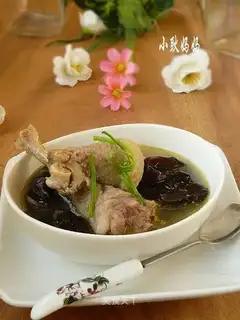 Blackwood chicken soup
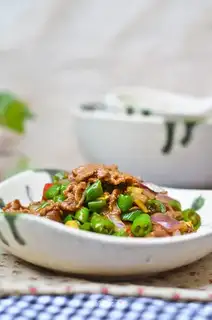 Pepper lamb
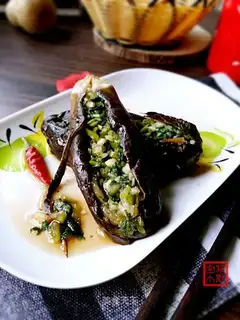 Garlic
 Quail egg spa
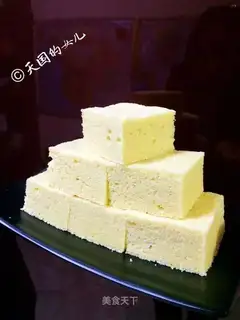 Rice steam cake