Winter is a season of slow rhythm. Appropriate nourishment can store energy for the body and help it resist the cold. What should you eat for nourishment? Here are 6 types of root vegetables recommended for everyone, which can effectively help regulate the body and play a good role in preventing diseases.
1. Radish
The radish can be considered the number one "root vegetable." The Compendium of Materia Medica records that the radish can "greatly promote the circulation of Qi, aid digestion, harmonize the middle energizer, and expel pathogenic heat." In fact, the folk practice of eating raw radish is very healthy. After eating greasy foods like meat, eating raw radish can cut through the grease, refresh the palate, aid digestion, and promote the smooth flow of Qi.
2. Sweet Potato
Traditional Chinese medicine believes that sweet potatoes tonify deficiency, benefit Qi, strengthen the spleen, and reinforce the kidneys. Sweet potatoes contain relatively high levels of vitamins A, B, C, and E, as well as more than 10 trace elements such as potassium, iron, copper, selenium, and calcium, making them very nutritious. Eating some sweet potatoes in the winter can help maintain the elasticity of blood vessel walls.
In addition, sweet potatoes are rich in dietary fiber, which can stimulate the intestines, enhance peristalsis, and moisten the bowels to relieve constipation. They are particularly effective as a dietary therapy for senile constipation. Research shows that sweet potatoes rank first among anti-cancer foods in terms of their anti-cancer effects.
3. Burdock
Burdock is known as "Oriental ginseng" and is also called a longevity vegetable by the Japanese. It is rich in nutrients such as protein, fat, carbohydrates, crude fiber, and vitamins. Regular consumption can help prevent high blood pressure, high blood sugar, and high cholesterol, so it's good to eat more of it during the winter.
Longan, Sweet Potato, and Millet Porridge
Extended Reading: A Complete Guide to Eating Sweet Potatoes
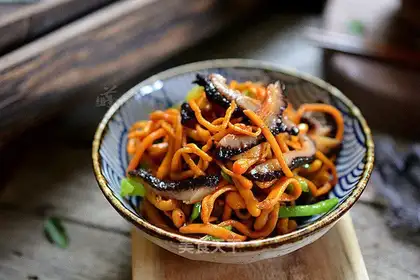
4. Beetroot
Beetroot is rich in betacyanin, which is beneficial for cleansing the circulatory system and inhibiting the growth of tumor cells. It also has certain antioxidant and detoxifying effects.
5. Lotus Root
The most important medicinal value of lotus root is its ability to "tonify the weak." It is best for the old, young, women, and children, as well as those who are frail and frequently ill to eat more of it. It can be eaten raw or cooked. When buying lotus root, choose one with a yellowish-brown skin and thick, white flesh. When cooking, do not use an iron pot to avoid the food turning black and affecting its appearance.
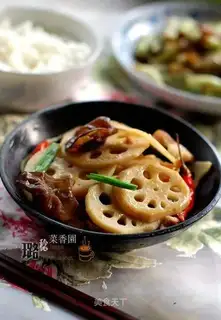
Lotus Root and Wood Ear Mushroom Stir-fried with Pork Slices
Extended Reading: A Complete Guide to Eating Lotus Root
You might also like:
Drink a Nourishing Soup in Winter to Warm Your Body and Nourish Your Stomach
These 7 types of mushrooms are most suitable for making nourishing soups!
13 Nourishing Foods Women with Kidney Deficiency Should Eat
Beginning of Winter Health Preservation: Focus on Nourishment
 Liang Moo-mu's meat chop
 It's red