Protein is the material basis of life, and all important components of the body require the participation of protein. Therefore, the quality and quantity of protein in food, as well as the ratio of various amino acids, are related to the amount of protein synthesized in the human body. In particular, the growth and development of teenagers, the healthy childbirth and rearing by pregnant and postpartum women, and the health and longevity of the elderly are all closely related to the amount of protein in the diet.
Everyday foods for supplementing protein
1. Chicken Breast
Chicken breast is high in protein and easily absorbed and utilized by the human body. It contains phospholipids that are important for human growth and development and is one of the important sources of phospholipids in the Chinese diet. Chicken breast has the effects of warming the middle jiao, replenishing qi, nourishing deficiency and essence, strengthening the spleen and stomach, activating blood circulation, and strengthening muscles and bones.
2. Fish
Fish is a lean meat type, and 100 grams of fish contains less than 2 grams of fat. Even the most oily Norwegian salmon has half the calories of a pork chop. Fish is also an important source of protein. Fish is easily absorbed by the human body, and 100 grams of fish can provide half of the daily protein requirement for the human body.
3. Lean Beef and Tender Beef
Beef is high in protein and low in fat, with a delicious taste that makes it popular, earning it the reputation of "the pride of meats". The fat content of beef round is very low; if the surrounding fat is trimmed off, the fat content is even less than that of tenderloin.
Beef Brisket Stew
Extended Reading: A Complete Guide to Eating Beef
4. Pork Loin (Pork Tenderloin)
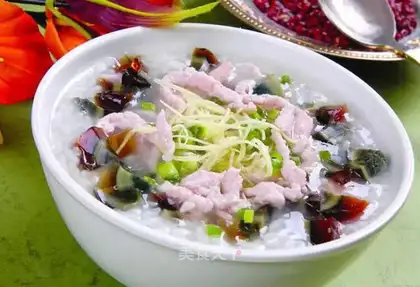
It contains rich high-quality protein, fat, vitamins, etc., required for human growth and development, and the meat is relatively tender and easy to digest.
5. Egg White
Rich in protein. Egg white not only whitens the skin but also makes the skin delicate. It also has the effects of clearing heat and detoxifying, and enhancing the skin's immune function.
6. Cheese
Cheese (one type of which is also called curd) is a fermented dairy product, similar in nature to common yogurt. Both are made through a fermentation process and contain probiotic lactic acid bacteria, but cheese is more concentrated than yogurt, closer to a solid food, and therefore more nutritious.
Every kilogram of cheese is concentrated from 10 kilograms of milk, rich in nutrients such as protein, calcium, fat, phosphorus, and vitamins, and is a pure natural food. In terms of craftsmanship, cheese is fermented milk; in terms of nutrition, cheese is concentrated milk.
Sweet and Sour Pork Tenderloin
Extended Reading: A Complete Guide to Eating Pork Tenderloin
7. Yogurt, Milk, and Soy Milk
Milk is one of the oldest natural beverages, known as "white blood", and its importance to the human body is self-evident. Its main components are water, fat, phospholipids, protein, lactose, inorganic salts, etc.
During the fermentation process, about 20% of the sugar and protein in milk are hydrolyzed into small molecules. The fat content in milk is generally 3% to 5%. After fermentation, the fatty acid content in milk can be twice that of raw milk. These changes make yogurt easier to digest and absorb, and the utilization rate of various nutrients is improved.
Soy milk is a beverage loved by the Chinese people and a nutritious food suitable for all ages, known as "plant milk" in Europe and America. Soy milk is rich in plant protein and phospholipids, and also contains vitamins B1, B2, and niacin.
8. Tofu
Tofu is generally made from beans high in protein, such as soybeans, black beans, and peanuts.
Tofu is extremely nutritious. The high amino acid and protein content in tofu make it an excellent supplementary food to grains. 78% of the fat in tofu is unsaturated fatty acid and it contains no cholesterol, earning it the reputation of "plant meat". The digestion and absorption rate of tofu is over 95%. Two small pieces of tofu can meet a person's daily calcium requirement.
Homemade Tofu Pan-fried with Aromatic Sauce
Extended Reading: A Complete Guide to Eating Tofu
9. Various Beans
There are many varieties of beans, mainly including soybeans, broad beans, mung beans, peas, red beans, and black beans. According to the types and quantities of nutrients in beans, they can be divided into two categories. One category is high-protein, high-fat beans, represented by soybeans. The other category is characterized by high carbohydrate content, such as mung beans and red beans. Fresh beans and bean products can not only be used as dishes but also as raw materials for seasonings.
10. Nuts and Seeds
Nuts and seeds are the essence part of plants, generally rich in nutrition, and high in protein, oil, minerals, and vitamins. They have excellent effects on human growth and development, strengthening the body, and preventing diseases.
Laba Bean Paste
Extended Reading: A Complete Guide to Eating Soybeans
You may also like:
For protein intake for health preservation, these 3 types of people should pay attention
Protein for weight loss: reduces edema and enhances satiety
The king of poultry protein: richer in nutrition and healthier
Supplementing with adequate protein to improve breast milk quality
 It's delicious
 Honey tea
 Round radish sauce soup
 Beef bean-fruit