Introduction: "Pork is the finest of meats, and Chinese cabbage is the freshest of vegetables." Known as the "king of vegetables," Chinese cabbage is no longer a winter exclusive. Eating cabbage in the summer has the effects of clearing heat, relieving vexation, quenching thirst, promoting urination, and aiding in weight loss and beauty.
Sour and Spicy Cabbage
Chinese cabbage is rich in key nutrients such as potassium, dietary fiber, and vitamin C. Additionally, as a cruciferous vegetable, it also contains health-promoting elements like isothiocyanates, which are beneficial for dietary therapy and health care for conditions like high blood pressure, high blood lipids, high blood sugar, and constipation.
Seafood and Cabbage Stew
The front, thinner leaves of the cabbage can be used for hot pot, stewed cabbage and tofu meatballs, or for making dumplings. When stewing the cabbage and tofu meatballs, adding some potato noodles creates a well-balanced dish that includes vegetables, grains, meat, and plant-based protein.
The back, thicker stalks can withstand high-heat stir-frying and can be made into sour and spicy cabbage, chopped chili cabbage, or quick-fried cabbage shreds. They can also be pickled to make Sichuan pickles (which have the lowest levels of nitrites and contamination). The pickled stalks have a refreshing taste and are suitable to accompany congee.Crispy and Spicy Cabbage Stalks
The cabbage heart is tender and can be used to make chestnut-stuffed cabbage hearts, the famous Sichuan dish "Boiled Cabbage Heart," or it can be eaten cold with a sauce, such as in a jellyfish and cabbage heart salad, a shredded tofu and cabbage heart salad, or a large mixed vegetable salad. The cabbage heart has the best texture and highest nutrient content, and eating it raw maximizes the preservation of its nutrients.
Boiled Cabbage Heart
 Stewed cabbage with sea rice
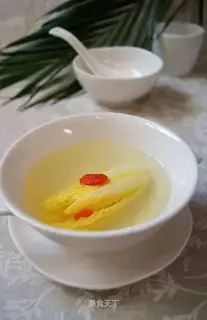 boiled cabbage
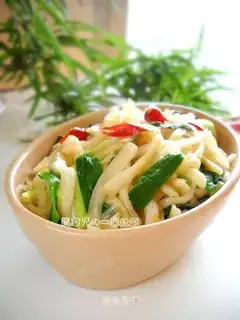 Crispy and spicy cabbage stalks
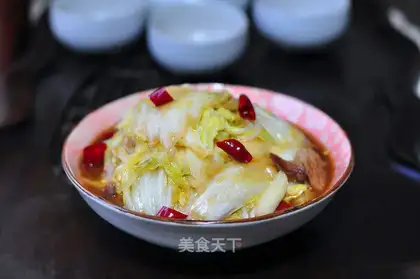 Jealousy cabbage