Introduction: Insomnia, also known as sleep disorder, is a condition where one fails to achieve the physiological sleep duration required for normal life. Clinically, it is generally defined as a subjective experience of dissatisfaction with sleep time and quality, despite having adequate sleep conditions and environment, which affects daytime social functioning.
Tom Yum Lychee Salmon Soup
For dietary management of insomnia, the first step is to have a balanced diet to ensure adequate nutrient supply. Choose low-fat, easily digestible foods rich in protein, such as fish, chicken, and lean meat. Carbohydrates (like grains) should be consumed in moderation, as they have a calming and sedative effect that is beneficial for sleep. If you need a late-night snack while studying, it is especially important to choose light, hydrating, and easily digestible foods. Develop good eating habits.
Shiitake Chicken Congee
Three balanced meals—Always eat breakfast, and focus on brain-boosting foods, combining dry and wet dishes, and both staple and non-staple foods to meet the needs of your morning studies. However, avoid overeating, as it can reduce brain sensitivity and affect learning efficiency.
>Lunch should be nutritious and satisfying, including grains, meat, vegetables, and beans, with a balance of dry and wet dishes. >Dinner should be only 80% full. Eat a lighter dinner and avoid overeating. Do not eat or drink large amounts of water before bed. If dinner is too rich, greasy, or eaten too late, it will prolong the time for the stomach to empty. The subsequent strenuous work of the stomach, intestines, liver, gallbladder, and pancreas will send signals to the brain, causing it to become active and spread to other areas of the cerebral cortex, leading to poor sleep at night.Steamed Chicken with Pumpkin
Supplement with sleep-promoting foods—Pay attention to consuming foods that nourish the heart, calm the mind, and promote sleep. Your daily diet should be light. You can choose milk (contains morphine-like active peptides that have a hypnotic effect), oats (contains saponins and rich B vitamins not found in other grains), pollen and propolis (high in nucleic acids), lotus seeds, pearl powder, and southern jujubes (which have the effect of nourishing the heart and calming the mind).
Fresh Shrimp and Chicken Ball Soup
Dietary restrictions: Eat less or avoid foods that are detrimental to sleep—Reduce or avoid fried, smoked, and greasy foods, as well as spicy and irritating foods. Spicy foods can interfere with sleep. For some people, spicy foods like chili, garlic, and raw onions can cause heartburn and indigestion, thereby disrupting sleep. Avoid foods that cause excessive gas and bloating, as these can make it difficult to fall asleep peacefully at night. Examples include beans, potatoes, onions, bell peppers, desserts, and carbonated drinks. It is best to avoid coffee. Caffeinated beverages or foods are often a trigger for insomnia. This is especially true for people sensitive to caffeine; a cup of hot coffee in the afternoon can make it difficult to fall asleep at night. Caffeine also has a diuretic effect, which can also impact sleep.
Pumpkin and Meatball Oatmeal Congee
 Pumpkin meatballs and oatmeal
 Mushroom and chicken porridge
 Fresh shrimp and chicken meatball soup
 SOFT Q POTATO
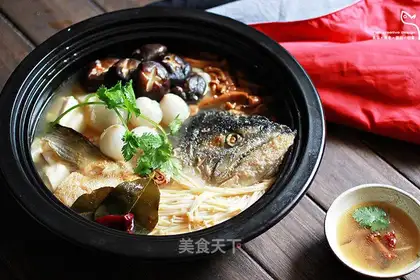 A salmon soup