Introduction: Different cooking methods, such as stir-frying, sautéing, boiling, and deep-frying, have varying degrees of impact on the nutritional content of food. Therefore, to preserve as many nutrients as possible in potatoes, it is essential to choose a proper preparation method.
Once considered a key winter storage food in the north alongside cabbage and radishes, potatoes have now "graduated" in status. On January 6, the Ministry of Agriculture revealed that China will launch a strategy to promote potatoes as a staple food. In the future, potatoes may become the fourth staple food after rice, wheat, and corn. In fact, whether used as a main dish or a side dish, the most important thing is to minimize nutrient loss. To achieve this, one must consider three aspects: how the potatoes are cut, the cooking method, and the seasonings added.
Stir-fried Potato Slices with Kimchi
The Larger the Piece, the More Nutrients
During the cooking process, the more intact the potato, the less nutritional loss it incurs. In other words, shredded potatoes have fewer nutrients than sliced potatoes, and sliced potatoes have fewer nutrients than whole potato pieces.
Therefore, during preparation, it's best to keep the potatoes as whole as possible. The fewer cut surfaces there are, the less water-soluble vitamins (such as B vitamins and vitamin C) will be lost.
Steaming is the Ideal Method
Different cooking methods, like stir-frying, sautéing, boiling, and deep-frying, have varying degrees of impact on the nutritional content of food. Therefore, to preserve as many nutrients as possible in potatoes, it is essential to choose a proper preparation method.
Steamed Potatoes
Steaming: Steaming is the most ideal cooking method for potatoes. Research shows that after being steamed, potatoes retain over 80% of their vitamins (such as C), polyphenols, and proteins. Carbohydrates, minerals, and dietary fiber experience almost no loss, and the starch granules are fully gelatinized, making them easier to digest and break down in the body and reducing the burden on the gastrointestinal tract. Steaming a whole potato with its skin on results in even less nutrient loss and is the best way to eat them. If mashed after steaming, the texture becomes soft and smooth, which is more suitable for the elderly and children.
Baking: Baking potatoes with their skin on also has a high nutrient retention rate, second only to steaming whole potatoes. However, if sliced and baked, potatoes are susceptible to air oxidation and high temperatures, leading to significant nutrient loss.
Double-Flavor Accordion Baked Potatoes
Stir-frying: When stir-frying, high heat is typically used for a short time, which causes less damage to nutrients, generally resulting in a 30% to 40% loss of vitamins. Stir-frying with oil also promotes the absorption of fat-soluble vitamins like A and E. Therefore, as long as the cooking time is controlled, stir-frying can be a good method for cooking potatoes.
Blanching: Studies have shown that soaking potatoes in water or blanching them and then rinsing with cold water can cause more than 70% of water-soluble vitamins (like vitamin C and B vitamins) to leach out, and minerals like potassium and magnesium will also be lost in the water. However, nutrients that are not water-soluble, such as proteins and fat-soluble vitamins (like A and E), are well-preserved. When blanching shredded potatoes, it's recommended to add them to boiling water and cook for 3 to 5 minutes. Additionally, mixing shredded carrots with shredded potatoes in a salad can supplement the vitamins lost by the potatoes, creating the most nutritious combination.
Shredded Potato Salad
Stewing: When stewing potatoes, the high temperature and long cooking time can lead to significant nutrient loss. Although stewing until soft is not ideal for nutrient retention, it promotes gastrointestinal health and the digestion and absorption of protein, making it suitable for the middle-aged, the elderly, and those who are frail or ill.
Deep-frying: After deep-frying, the nutrients in potatoes, especially vitamins, are almost completely lost. Furthermore, the high temperatures involved can easily cause protein denaturation. Potatoes are rich in glutamine and asparagine, which can produce acrylamide (a carcinogen) under cooking temperatures of 120°C to 190°C (deep-frying temperatures). Moreover, deep-frying adds more oil to the potatoes, which is particularly detrimental to health. It is best to consume them in moderation.
Deep-fried Potato Chips
Use More Vinegar and Less MSG
Using the right seasonings can enhance a dish, while the wrong ones can significantly diminish its nutritional value. It is recommended to use more vinegar when cooking potatoes—add it first when stir-frying and later when stewing—as this can effectively promote the absorption of vitamin C and benefit gut health. Like many other ingredients, dishes made with potatoes should follow the principle of using less salt and MSG. Salt should be added just before serving to reduce sodium intake. If MSG is needed, it should also be added at the end of cooking, as adding it too early can destroy water-soluble vitamins, especially B vitamins.
Vinegar Shredded Potatoes
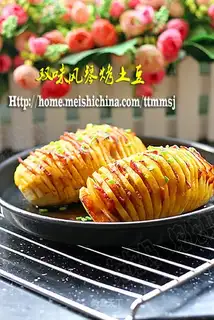 Baked potato with double flavor organ
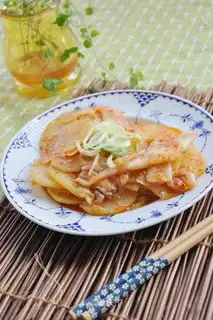 Potato chips
 Frozen potatoes
 Jealousy potatoes
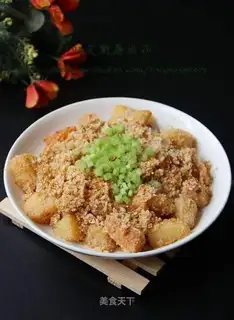 Powdered potatoes