Introduction: During holidays, the refrigerator is surely filled with all sorts of food. However, even experienced cooks can make a mistake: believing that food is "safe" once it's in the refrigerator and won't spoil or go bad. In reality, a refrigerator only slows down bacterial growth by lowering the temperature; it doesn't stop it completely. This means that if food is stored in the refrigerator for too long, it will still spoil, and eating it can lead to symptoms of "refrigerator food poisoning," such as vomiting and diarrhea.
"Refrigerator Food Poisoning" – A Sharp Increase in Nitrite
In the field of nutrition, there has long been a saying that leftover dishes, especially leftover vegetables, should not be eaten because their nitrite content is high. Heating can only kill microorganisms and bacteria, but it cannot remove nitrites.
Braised Beef
A once experiment found that in dishes 24 hours after being cooked, the nitrite content in four dishes increased significantly, all exceeding the limit set by the "National Food Contaminant Limits Standard." Among them, stir-fried greens exceeded the limit by 34%, chive and egg stir-fry by 41%, braised pork by 84%, and braised crucian carp by 141%. The nitrite content in meat dishes exceeded the limit severely because braised dishes contain nitrates in their seasonings. Additionally, meat is high in protein, and after 24 hours, microorganisms break down a large amount of protein compounds, promoting the conversion of nitrates to nitrites. Vegetables contain nitrates because they are fertilized with nitrogen during their growth, and nitrates come from this fertilizer.
In summary, whether it's leftover vegetables or meat, do not store them in the refrigerator for long periods. This is because the ingestion of just 0.2 to 0.5 grams of nitrite can cause poisoning in adults. Long-term consumption may also lead to diseases such as esophageal, stomach, liver, and colorectal cancer.
Pickled Fish with Cabbage
Four Types of Food Not Suitable for the Refrigerator
Experts say that although refrigerators have been in homes for many years, it doesn't mean every housewife knows how to use them properly. Is it all smooth sailing once food is put in the refrigerator? What's the difference in preserving different foods?
Experts point out that there are four types of food that should not be put in the refrigerator:
(1) Root and stem vegetables – Thick-skinned potatoes, carrots, pumpkins, winter melons, onions, etc., can be stored at room temperature. Also, cucumbers and green peppers can turn black and soft if left in the refrigerator for too long.
Homemade Yogurt
(2) Tropical fruits – Bananas, mangoes, and other tropical and subtropical fruits are not well-adapted to low temperatures. If refrigerated, they can get frost-damaged, affecting their texture and taste.
(3) Pastries – Starchy foods like steamed buns, twisted rolls, and bread will become dry and hard faster if stored in the refrigerator. If they must be stored, they should be wrapped in plastic wrap or a sealed bag before being placed in the freezer.
(4) Cured meats – Cured meat products like bacon and ham are best stored in a cool, ventilated place to preserve their flavor. Putting them in the refrigerator can cause them to develop a "rancid" smell due to high humidity, which shortens their storage time.
It is worth reminding that for frozen foods (such as meat and fish), bacteria multiply rapidly after thawing. Such thawed food is not suitable to be put back in the refrigerator. Therefore, it is best to portion and package frozen foods appropriately before freezing, so you can thaw one portion at a time.
Homemade Sesame Paste
In addition, raw and cooked food should not be stored together. To prevent flavors from mixing, use plastic wrap or airtight containers for storage.
How long can food actually be stored in the refrigerator?
Refrigerators are becoming more and more advanced. In the 1980s and 1990s, refrigerators had a fresh food compartment and a freezer compartment. The fresh food compartment was at 4-5°C, while the freezer was at -18°C. Modern refrigerators also have an extra space for beverages, with a temperature of around 12°C.
Each storage area is for different types of food. The fresh food compartment can store meat, fish, or fresh vegetables to be consumed within 1-3 days, while the freezer is for frozen foods. Below are the recommended storage times for common foods:
Shredded Pork with Celery
Beef: 1-2 days in the fridge, 90 days in the freezer Pork chops: 2-3 days in the fridge, 270 days in the freezer Chicken: 2-3 days in the fridge, 360 days in the freezer Fish: 1-2 days in the fridge, 90-180 days in the freezer Fresh eggs: 30-60 days in the fridge Hard-boiled eggs: 6-7 days in the fridge Milk: 5-6 days in the fridge Yogurt: 7-10 days in the fridge
Winter Melon Soup
Beverages and alcohol: Store at about 4°C; try to finish after opening Leftover rice: Do not store in the fridge for more than 3 days Leftover dishes: Vegetables are not suitable for long-term storage in the fridge; it is recommended to cook and eat them fresh Peanut butter, sesame paste: 90 days in the fridge after opening Tomatoes: 12 days in the fridge Celery: 7-14 days in the fridge
Tomatoes Cooked with Eggplant
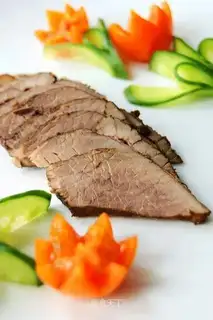 marinated beef
 homemade yogurt
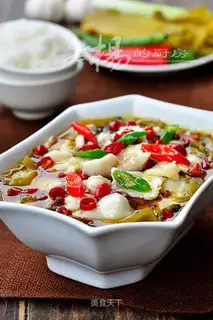 fish with Chinese sauerkraut
 Pork soup
 Celery
 Tomatoe
 Homemade sesame sauce