Introduction: When your throat is inflamed, some people can't stop coughing, while others experience severe throat pain. In short, it's very uncomfortable. Although you can take medication to quickly reduce inflammation and relieve pain, medication is ultimately not good for your body, especially when the throat inflammation is not severe and medication is unnecessary. What can you eat that won't harm your body and will help reduce inflammation? Here are 10 foods to recommend to help you recover faster.
1. Pear
When your throat is inflamed, many people cough incessantly. Pears are excellent for moistening the lungs, clearing heat, relieving coughs, reducing phlegm, and lowering inflammation. Therefore, eating pears when your throat is inflamed can help both with coughing and inflammation. Moreover, there are many ways to eat pears: you can eat them raw, or use them to make wine, pear preserves, and more. It's not just the pear flesh that is edible; applying pear skin can treat burns; mashed pear juice can sober you up; pear blossoms can remove blackheads; and boiled pear leaves can also treat many ailments.
Pears are excellent for moistening the lungs, clearing heat, relieving coughs, reducing phlegm, and lowering inflammation. Therefore, eating pears when your throat is inflamed can help both with coughing and inflammation. However, it should be noted that pears are a cool, juicy fruit. They should be avoided by those with a weak spleen causing loose stools, chronic enteritis, stomach cold, phlegm-cold cough, cough due to external cold, and diabetics.
Snow Pear Black Bean Porridge
2. Lemon
Lemons are extremely sour and are particularly favored by pregnant women with liver deficiency, hence they are called "mother-benefiting fruit" or "mother-benefiting seed." Lemons are rich in citric acid and are thus hailed as a "citric acid warehouse." Lemons contain vitamin B. It's important to know that a deficiency in vitamin B2 can easily lead to oral inflammation, cheilitis, oral ulcers, glossitis, and other inflammatory conditions. Regularly consuming foods rich in vitamin B can effectively prevent inflammation. Besides being rich in vitamin B2, lemons also effectively help to expel phlegm. Furthermore, the rich vitamin C in lemons has good antibacterial and anti-inflammatory effects.
Don't be fooled by the sour and slightly bitter taste of lemons, which can't be eaten raw like other fruits. The lemon peel is rich in aromatic volatile components that can promote saliva production, relieve summer heat, whet the appetite, and refresh the spleen. In summer, when heat and dampness are heavy, many people feel tired and listless. After long hours of work or study, appetite often wanes. A glass of lemon-infused water, with its fresh and tangy taste, can be a real pick-me-up and also open up your appetite.
Lemon and Snow Pear Juice with Rock Sugar
3. Honeysuckle
Honeysuckle has been revered since ancient times as a great remedy for clearing heat and detoxifying. It is sweet, cold in nature, and aromatic. Its sweet, cold nature clears heat without damaging the stomach, and its aromatic quality helps expel pathogens. Honeysuckle can both disperse wind-heat and is skilled at clearing blood toxins. It is remarkably effective for various heat-related illnesses, such as fever, rashes, spots, toxic sores, carbuncles, and sore throat.
The primary function of honeysuckle is to clear heat and detoxify. Components like chlorogenic acid and luteolin glycosides in it have a strong inhibitory effect on viruses that cause upper respiratory tract infections. When your throat is inflamed, drinking honeysuckle-infused water is very effective for anti-inflammation and relieving the discomfort caused by throat inflammation. Additionally, honeysuckle syrup, made from processed honeysuckle, is also quite effective.
Honeysuckle Tea
4. Chrysanthemum
Among chrysanthemums, wild chrysanthemum has the best effect for reducing fire and detoxifying. Wild chrysanthemum, also known as roadside chrysanthemum, is very common, but its medicinal properties are relatively strong, making it just right for reducing fire. Although the taste of wild chrysanthemum tea is slightly inferior, it is very effective for throat inflammation and sore throat caused by dryness and internal heat. A special note is that wild chrysanthemum is cold in nature and should not be consumed in large quantities.
There are many ways to eat chrysanthemums: chrysanthemum fish balls, fried chrysanthemum leaves, chrysanthemum fish porridge, chrysanthemum soup, chrysanthemum wine, chrysanthemum tea, etc. These chrysanthemum dishes are not only excellent in color, aroma, and taste but also nutritious. Beijing's famous "Chrysanthemum Hot Pot" (adding some chrysanthemums to the lamb hot pot soup) is light, delicious, and has a unique flavor.
Pear, Lily, and Chrysanthemum Drink
5. Ophiopogon root
The "Medical Records of Chung Shan" states: "It can enter the stomach to nourish stomach fluids, stimulate the appetite, and can also enter the spleen to help it transport essence to the lungs, relieving asthma and calming coughs." Traditional Chinese medicine holds that Ophiopogon root is sweet, slightly bitter, and slightly cold in nature, and it acts on the stomach, lung, and heart meridians. It has the effects of nourishing yin to moisten the lungs, benefiting the stomach to promote fluid production, and clearing the heart to alleviate restlessness. It is used for symptoms such as dry cough due to lung dryness, consumptive cough due to yin deficiency, throat obstruction and sore throat, thirst due to fluid injury, internal heat-induced diabetes, vexation and insomnia, and constipation due to intestinal dryness. Its therapeutic effect is particularly significant for throat inflammation, sore throat accompanied by dry mouth. Persisting in drinking Ophiopogon root tea not only helps treat throat inflammation and relieve throat discomfort but also internally clears heat, benefits the throat, moistens it, and relieves pain and inflammation.
Modern pharmacological research also shows that Ophiopogon root mainly contains ophiopogonin, steroidal saponins, alkaloids, sitosterol, glucose, amino acids, vitamins, etc. It has effects such as anti-fatigue, free radical scavenging, improving cellular immune function, and lowering blood sugar. Additionally, Ophiopogon root has sedative, hypnotic, anti-myocardial ischemia, anti-arrhythmic, and anti-tumor effects, and it has multiple benefits for improving the health of the elderly, especially.
Dendrobium and Ophiopogon Bone Soup
 Pear lilies
 Lemon ice cream, Sydney juice
 It's simple and delicious
 Italian pizza
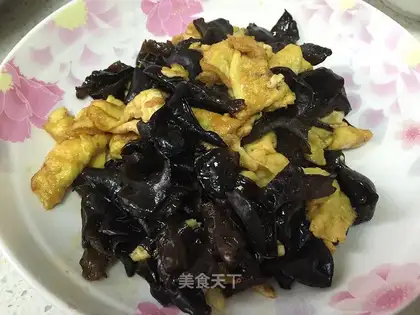 Mocked eggs