Nowadays, people's material needs are largely met, so more and more people are focusing on health preservation, and women, in particular, need to pay attention to it. Health-preserving food therapy is especially beneficial for women. Here are ten health foods that are very useful for women, let's take a look.
1. Brain Protection: Spinach
As a "reducing food" containing components like carotene and superoxide dismutase, it can prevent cerebrovascular diseases and protect the brain. What are "reducing foods"? Experts believe that spinach is at the top of the list. Spinach is known as the "model of nutrition" and is rich in carotene, vitamin C, calcium, phosphorus, and a certain amount of iron, vitamin E, rutin, coenzyme Q10 and other beneficial ingredients, providing the body with a variety of nutrients; the iron it contains has a good auxiliary therapeutic effect on iron-deficiency anemia.
Moreover, the protein content of spinach is higher than other vegetables, and it contains a considerable amount of chlorophyll. Especially, its vitamin K content is the highest among leafy vegetables (mostly found in the roots), which can be used as an auxiliary treatment for nosebleeds and intestinal bleeding. The reason spinach is good for blood is related to its rich carotene and ascorbic acid, both of which play important roles in health and blood replenishment.
Steamed Spinach and Meatballs
2. Nail Protection: Eggs
Eggs are rich in cholesterol and nutritious. An egg weighs about 50 grams and contains 7 grams of protein. The amino acid ratio of egg protein is very suitable for the body's physiological needs, is easily absorbed by the body, with a utilization rate of over 98%, making it highly nutritious and one of the most commonly consumed foods by humans. Healthy nails are pink because of adequate blood supply. If nails change abnormally, it is often caused by nutritional deficiencies or other underlying symptoms. A high-protein diet is essential for maintaining healthy nails, and eggs are a good source of protein.
Eggs also contain other important micronutrients, such as potassium, sodium, magnesium, and especially 7 mg of iron per 100 grams in the yolk; eggs are rich in phosphorus but relatively low in calcium, so consuming dairy products with eggs can provide complementary nutrition. Eggs are also rich in vitamins A and B.
Tomato and Egg Drop Soup
3. Heart Protection: Cod
German experts once published a set of experimental evidence: eating 50 grams of fish daily can reduce the incidence of heart disease by 40%, with deep-sea fish being the best choice. The unsaturated fatty acids in fish, commonly known as "good fats," act as natural anticoagulants, helping to lower blood pressure, inhibit myocardial excitability, and slow heart rate, thereby protecting the heart.
Cod from the deep sea is also a good choice. Cod meat is delicious and nutritious. Its protein content is higher than that of salmon, pomfret, hilsa shad, and hairtail, and the fat content in its meat is only 0.5%, the same as shark, which is 17 times lower than salmon and 7 times lower than hairtail. Its liver has a high oil content, and in addition to the DHA and DPA found in ordinary fish oil, it also contains the essential vitamins A, D, E and other vitamins for the human body. The proportion of these nutrients in cod liver oil is the best ratio for the human body's daily needs. Therefore, Norwegians call it the "nutritionist" on the dining table.
Steamed Cod
4. Hair Protection: Kelp
When it comes to foods for hair care, you may know many, such as black sesame that makes hair black, ginger that promotes hair growth, or walnuts that make hair shiny. But do you know who the all-around champion of food for hair care is? It is kelp. Nutrition experts believe that regular consumption of kelp can not only supplement the body's iodine but also has special effects on the growth, moisturizing, and luster of hair. Moreover, kelp is rich in minerals such as iodine. Kelp is low in calories, moderate in protein, and rich in minerals. Studies have found that kelp has multiple biological functions, including lowering blood lipids and blood sugar, regulating immunity, anticoagulation, anti-tumor, lead detoxification, and antioxidant.
Kelp, Corn, and Pork Rib Soup
5. Kidney Protection: Black Beans
Since ancient times, black beans have been known as "the valley of the kidney." Looking at the appearance of black beans, you will find that their shape is similar to human kidneys. They are not only sweet and neutral in nature, but in traditional Chinese medicine, they are also believed to have the effects of tonifying the kidney and strengthening the body, promoting blood circulation and urination, detoxifying, and moisturizing the skin, making them especially suitable for those with kidney deficiency.
Moreover, black beans are rich in isoflavones, a type of flavonoid compound mainly found in legumes, so they are often called soybean isoflavones. Because they are extracted from plants and have a similar structure to female estrogen, isoflavones are also called "phytoestrogens." Research has long confirmed that soybeans are extremely rich in isoflavones, and experiments have found that black beans contain even more isoflavones than soybeans. They are a very good food for women.
Snow Pear and Black Bean Porridge
 Kendwigs
 The lamb string
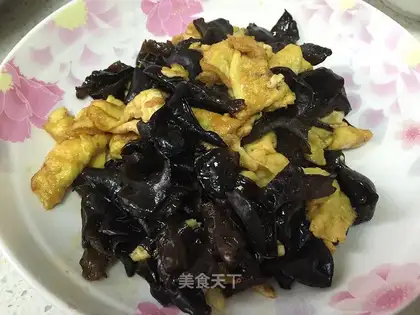 Mocked eggs
 Delicious sushi
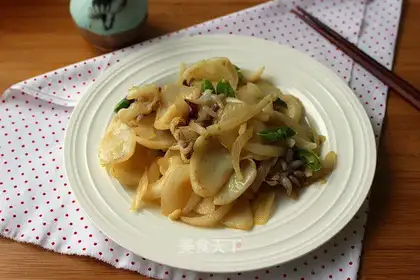 Onion fried inks